
Container Gardens
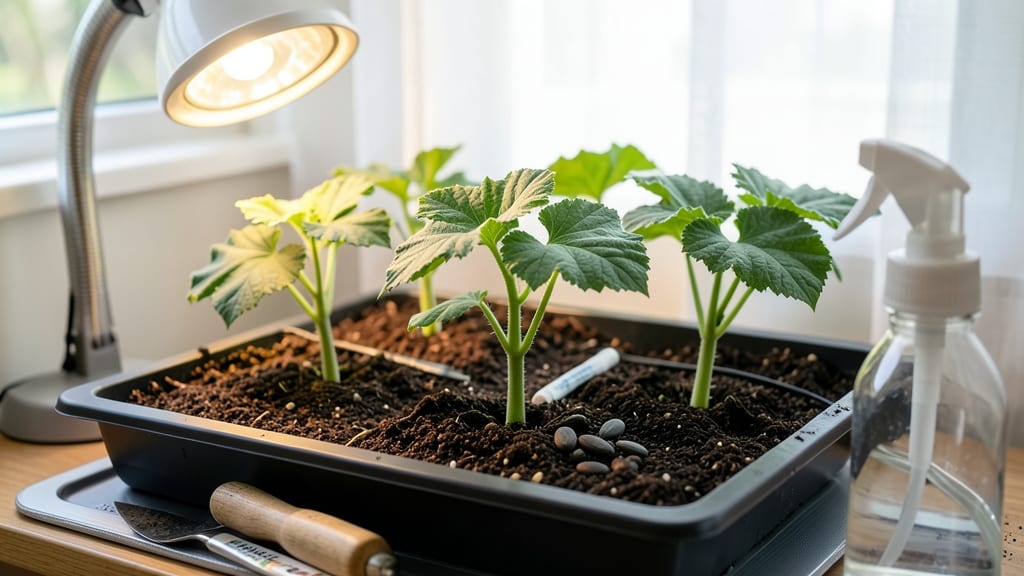
Starting zucchini seeds indoors lets you beat the heat and grow heirloom varieties you won’t find at stores—like 'Black Beauty' or 'Eight Ball'—weeks before your neighbors even plant theirs. 🌱 The secret weapon?
A heat mat that turns cold soil into a cozy nursery, speeding germination from 7-10 days to just 3-5 days. I’ve tried every trick, and this is the one that actually works—no more waiting for seeds to peek through the dirt when the season’s already halfway gone.
You’ll need biodegradable pots (or recycled containers), a heat mat (or warm spot near a sunny window), seed-starting mix, and a spray bottle for gentle watering. Skip the fancy setups—zucchini seeds are forgiving once you get the heat right.
The key is keeping soil 75-85°F at all times; too cool, and they’ll sulk for weeks. Too hot, and they bolt before you’re ready. Balance is everything.
By the time you’re ready to transplant, you’ll have stocky, dark-green seedlings with true leaves—nothing like the leggy, weak plants from the garden center. They’ll hit the ground running, producing 20-30 pounds of zucchini per plant if you give them space and consistent water.
The first harvest? Around 50 days after planting—earlier than store-bought transplants, and with way better flavor.
Works for any zucchini variety, even in small spaces. Here’s how to do it without overcomplicating things—no green thumb required, just patience and a little heat.
📚 In This Guide
- What you need
- Instructions
- Tips and common mistakes
- Wrapping up and next steps
What you need
- ● Zucchini seeds: 3–5 seeds per container (choose heirloom or hybrid varieties like 'Black Beauty' or 'Eight Ball' for best results).
- ● Seed-starting containers: 2–4" deep pots or trays with drainage holes (biodegradable pots or cell packs work great!).
- ● Seed-starting mix: A lightweight, sterile mix designed for seedlings (avoid garden soil—it’s too dense!).
- ○ Heat mat (optional but highly recommended): A seedling heat mat (set to 70–85°F) to speed up germination—zucchini loves warmth!
- ● Grow lights or sunny windowsill: A full-spectrum LED grow light (12–16 hours/day) or a south-facing window (6+ hours of sunlight).
- ● Spray bottle: For gentle watering to keep seeds moist without disturbing them.
- ● Plastic wrap or humidity dome: To retain moisture and create a mini greenhouse effect.
- ○ Fertilizer (optional but helpful): A balanced, water-soluble fertilizer (5-10-5 or 10-10-10) diluted to half-strength for first feeding.
- ● Seedling heating pad: If your heat mat isn’t enough, a pad can provide consistent warmth.
- ● pH testing kit: To ensure your soil mix is slightly acidic to neutral (6.0–7.0 pH).
- ● Label markers: To track planting dates and varieties (trust me, seedlings look alike at first!).
- ● Fan (small oscillating): For gentle airflow to strengthen seedlings and prevent damping-off.
Step-by-step guide to starting zucchini seeds indoors
Here's how I reliably get zucchini seedlings off to a strong start—using heat to cut germination time in half.
🌱 Step 1: Prepare Containers and Seed Starting Mix
Use 4-inch deep pots or a seed tray with cells at least 2 inches wide—zucchini roots spread quickly, so give them room. Fill each container with a sterile seed-starting mix (never garden soil—it's too dense and may harbor diseases). Moisten the mix until it feels like a damp sponge when squeezed, but not dripping.
Press the soil down gently to remove air pockets, then create a small well in the center of each cell using your finger. This ensures seeds sit at the correct ½-inch depth—too deep and they'll struggle to reach light. I like to make the wells just deep enough to hold a seed comfortably without burying it too far.
🌱 Step 2: Plant Seeds and Apply Heat for Faster Germination
Drop 2-3 seeds per cell into each well—you'll thin later, but this gives insurance against uneven germination. Cover them lightly with additional mix, then mist the surface with water until evenly damp. The goal is moisture without saturation; you should see water beads form on the soil surface but not pool.
Place the tray on a seedling heat mat set to 80-85°F—this warmth mimics outdoor soil temperatures in spring and speeds germination from 10-14 days to just 5-7 days. Cover the tray with a clear plastic dome or wrap to trap humidity, but leave a small gap for airflow to prevent mold. Check daily for condensation buildup—wipe any excess with a paper towel to keep seeds from suffocating.
☀️ Step 3: Provide Light and Monitor for Sprouts
Once seeds sprout (you'll see tiny green hooks breaking through the soil), remove the dome immediately to prevent damping-off. Place seedlings under grow lights or in a south-facing window where they'll receive 12-14 hours of light daily. Zucchini seedlings grow fast, so keep lights 2-3 inches above the tallest leaves—too far away and they'll stretch leggy.
Water from the bottom by placing trays in ½-inch of water for 10 minutes daily. This method prevents soil disturbance and encourages deep root growth. You'll know moisture is right when the soil surface looks slightly damp but not glistening. After 2 weeks, when seedlings show their first true leaves (the second set after the initial seed leaves), thin to the strongest plant per cell, snipping the others at soil level with clean scissors.
✂️ Step 4: Harden Off and Prepare for Transplanting
Two weeks before your last frost date, begin hardening off seedlings by placing them outside in a sheltered spot for 1 hour the first day. Gradually increase exposure over 7-10 days, ending with full sun. Watch for wilting or yellowing leaves—these are signs the transition is too fast. A well-hardened zucchini seedling will look plump and vibrant, not stressed.
Transplant outdoors after all danger of frost has passed, choosing a spot with full sun and well-draining soil. Dig holes slightly larger than the root ball and space plants 2 feet apart to give them room to sprawl. Water deeply at planting to settle the soil and encourage root establishment. I always add a handful of compost to each hole—zucchini are heavy feeders and appreciate the boost.
🌿 Step 5: Maintain Healthy Growth Post-Transplant
Keep soil consistently moist but not soggy—zucchini wilt quickly when thirsty. Water at the base in the morning to allow foliage to dry before evening, reducing disease risk. Fertilize with a balanced organic fertilizer every 2-3 weeks to support rapid growth. You'll know your zucchini are thriving when they produce large, dark green leaves and begin flowering within 4-6 weeks of transplanting.
Here's the thing—zucchini grow aggressively, so prune any yellow or diseased leaves immediately to keep plants healthy. If vines start sprawling uncontrollably, train them along a trellis or cage to save space and improve airflow. With proper care, you'll have a bountiful harvest in no time—just watch for those first blossoms to appear!
Tips & tricks for speeding up zucchini seed germination
Real talk: Those first few days of waiting for zucchini seeds to sprout can feel like an eternity. Here's how to cut that wait time while setting your seedlings up for success.
Heat Mat Placement: Position your seedling heat mat on a stable surface where it won't shift during germination. I like to use a small tray underneath to catch any condensation drips that might occur during the 5-7 day germination window at 80-85°F. The consistent warmth is what transforms those 10-14 days into just a week—don't let uneven heat ruin your progress.
Soil Moisture Secret: After planting your 2-3 seeds per cell at the ½-inch depth, I recommend this moisture check: Stick your finger about ½-inch into the soil. It should feel like a wrung-out sponge—not wet enough to drip when squeezed, but damp enough that you can't easily make a ball with it. This balance prevents both mold and dry seeds during the critical germination phase.
Light Positioning: Once those green hooks appear and you remove the dome, place your grow lights or seedlings 2-3 inches above the tallest leaves. I adjust mine every 3-4 days as the seedlings grow—this prevents leggy, weak stems that can't support themselves. A quick visual check: If you can see shadows under the leaves, the lights are too close.
Thinning Strategy: When you reach the 2-week mark and see first true leaves, use clean scissors to snip the weaker seedlings at soil level rather than pulling them. This prevents disturbing the roots of your chosen plant. I always keep one strong seedling per cell—don't leave two unless they're equally vigorous, as they'll compete for nutrients.
Pro Tips for Starting Zucchini Seeds Indoors
- Real talk: Those first few days of waiting for zucchini seeds to sprout can feel like an eternity. Here's how to cut ...
- Heat Mat Placement: Position your seedling heat mat on a stable surface where it won't shift during germination. I li...
- Soil Moisture Secret: After planting your 2-3 seeds per cell at the ½-inch depth, I recommend this moisture check: St...
Frequently asked questions
Got questions about starting zucchini seeds indoors?
You’re not alone! Here are answers to the most common concerns—plus a few pro tips to set you up for success.
When is the best time to start zucchini seeds indoors?
Zucchini is a fast-growing warm-season crop, so start seeds 4–6 weeks before your last frost date. If your growing zone has a long season (like Zones 8–10), you can even start them as early as 2–3 weeks before transplanting outdoors. Use a heat mat to speed up germination—zucchini seeds thrive at 80–90°F!
How long does it take for zucchini seeds to germinate?
With optimal warmth (thanks to your heat mat!), zucchini seeds typically sprout in 5–10 days. Without extra heat, germination can take 2–3 weeks. Keep soil consistently moist (not soggy) and maintain warmth for best results. Patience pays off—those little sprouts will surprise you!
What if my seeds rot or mold instead of sprouting?
Overwatering or poor drainage are the top culprits. Use a well-draining seed-starting mix and water from the bottom (place trays on a saucer with ½ inch of water). If mold appears, reduce moisture immediately and improve airflow by spacing seedlings apart or using a small fan on low. Fungicide (like hydrogen peroxide spray) can also help.
Can I start zucchini seeds without a heat mat?
Yes! If you don’t have a heat mat, try these alternatives:
- Warm location: Place seeds near a sunny window or under grow lights.
- DIY heat: Use a seedling heat pad (cheap and reusable) or wrap a heating cable around the tray (safely!).
- Bottom warmth: Set trays on top of a refrigerator or water heater (test surface temp first—it should be 75–85°F).
How do I know when zucchini seedlings are ready to transplant?
Seedlings are ready when they have 2–4 true leaves (not the initial seed leaves) and are 3–4 inches tall. Harden them off for 5–7 days by gradually exposing them to outdoor conditions (start with 1–2 hours in shade, then increase). Transplant on a warm, cloudy day to reduce stress—zucchini hates cold soil!
Wrapping up and next steps
Starting zucchini seeds indoors is a rewarding way to jumpstart your garden and enjoy a bountiful harvest!
With the right heat mat tricks and a little patience, you’ll be well on your way to growing strong, healthy plants. Now that you’re armed with the knowledge, it’s time to take action—grab those seeds, set up your heat mat, and watch your zucchini thrive!
Ready for the next step? Transplant your seedlings outdoors once they’ve sprouted their first true leaves and hardened off—just follow the same care and warmth you’ve given them indoors! 🌱