
How To
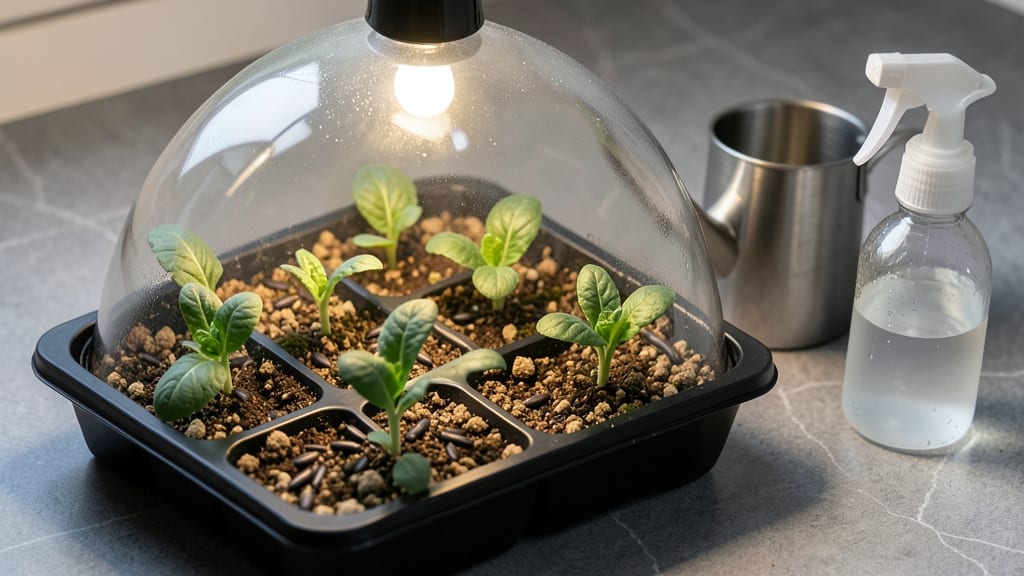
Starting Brussel sprout 🥦 seeds indoors 8-10 weeks before your last frost is the key to avoiding leggy, weak seedlings and a disappointing harvest.
Picture this: you’ve waited months for your Brussel sprouts to mature, only to watch them bolt or struggle in the soil because they were started too late—or worse, too early. The right timing means the difference between a thriving fall crop and a wasted season.
In USDA Zone 6a, that means sowing seeds in early February for a late April transplant, giving you a head start on the 90-day growing season these cool-weather lovers need. But zones vary, and so do frost dates—so let’s break down the exact window for your region.
You’ll learn how to set up your seed trays for success, when to move seedlings outdoors without shock, and the three biggest mistakes that kill Brussel sprout starts before they even reach the garden.
Optimal indoor starting dates by USDA hardiness zones
Timing is everything when growing Brussel sprouts indoors. These cold-hardy vegetables need an 8-week indoor head start before your last frost date to develop strong roots and sturdy stems. Starting too early risks leggy seedlings, while waiting too long limits your harvest window.
Let's break down the perfect indoor starting dates for each USDA hardiness zone.
Brussel sprouts thrive in cooler temperatures, making them ideal for fall planting. The key is to start seeds indoors 8 weeks before your average last frost date, ensuring seedlings are ready for outdoor transplanting when soil temperatures drop.
In Zone 3, for example, you'd begin indoors in early March, while Zone 10 gardeners can start as late as late April.
Here's a zone-specific 8-week countdown to help you plan your Brussel sprout schedule:
Each USDA zone has unique frost dates, so adjust your indoor starting window accordingly. For example, gardeners in Zone 5 should begin seeds indoors in late January to ensure seedlings are ready by early April. Meanwhile, Zone 10 growers
Brussel sprout seed starting checklist: light, heat, and soil requirements
Starting Brussel sprout seeds indoors requires precise control over three critical factors: light exposure, heat consistency, and soil composition. Skipping these steps often leads to leggy seedlings or weak root systems that fail to thrive after transplanting.
I’ve learned the hard way—my first batch of sprouts flopped because I underestimated the need for cool temperatures and blue spectrum light.
For healthy Brussel sprout seedlings, aim for a soil temperature between 65-75°F during germination. Once sprouts emerge, drop the soil temp to 55-65°F to mimic outdoor conditions and prevent bolting.
A grow light positioned 2-3 inches above seedlings provides the ideal 14-16 hours of light per day, with a focus on blue and red spectrums to strengthen stems.
⚠️ callout warning ⚠️
Starting too early (January) risks overcrowded trays and disease from prolonged indoor care. Starting too late (April) leaves seedlings underdeveloped for fall harvests. Use this 8-week rule:
- Zones 3-5: Begin February 15 for May 1 transplant
- Zones 6-8: Start March 1 for April 15 transplant
- Zones 9-10: Sow March 15 for May 1 transplant
Pro Tip: Use a seedling heat mat (70-75°F) for first 7-10 days to speed germination, then reduce heat to 60-65°F.
Your soil mix should be sterile, well-draining, and rich in organic matter.
I recommend a blend of 50% peat moss, 30% perlite, and 20% compost to prevent root rot while providing nutrients. Soil pH between 6.0-7.0 is ideal—test your mix before sowing, as alkaline soil can stunt growth. Add lime if pH drops below 5.5.
Leggy seedlings are a red flag for insufficient light or excessive heat. If your sprouts stretch toward the light, switch to a full-spectrum LED grow light and reduce the distance to 1-2 inches.
Rotate trays daily to ensure even growth. Overwatering is another common mistake—keep soil moist but not soggy, and use bottom-watering to encourage deep root development.
Hardening off begins 2 weeks before transplanting. Gradually expose seedlings to outdoor conditions for 2-3 hours daily, starting with partial shade and increasing sun exposure.
Watch for wilting or yellowing leaves, which signal stress. If your seedlings develop purple stems, they’re phosphorus-deficient—apply a balanced fertilizer (10-10-10) at half strength.
Transplant Brussel sprout seedlings outdoors on a cool, cloudy day to reduce transplant shock. Space plants 18-24 inches apart in well-drained soil, and water deeply to settle roots. Mulch with straw or shredded leaves to retain moisture and regulate soil temperature.
With these controls in place, your seedlings will grow into hardy, productive plants ready for fall harvests.