
Container Gardens
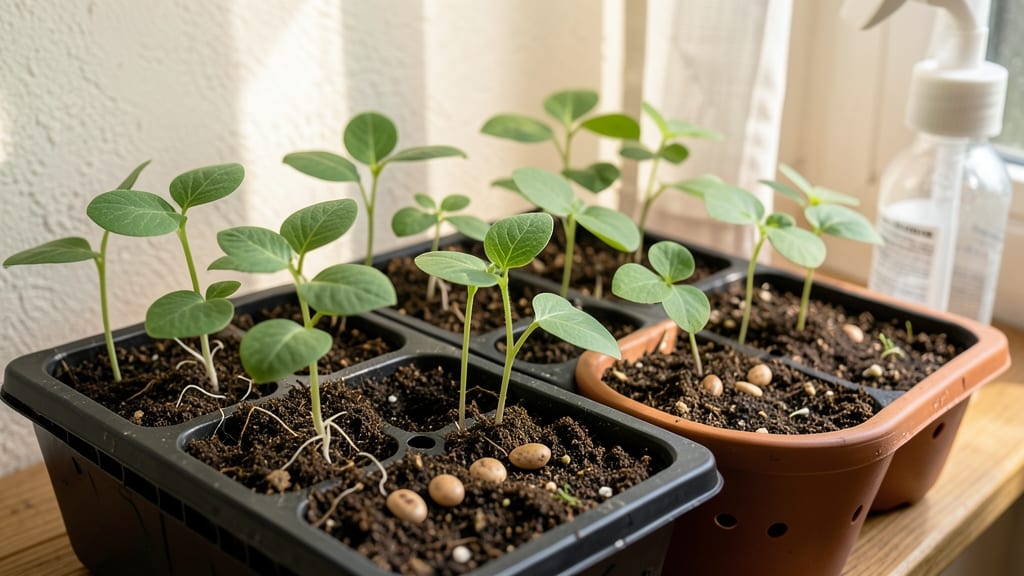
To start bean seeds indoors, time them 6-8 weeks before your last frost date for strong, healthy seedlings ready to thrive 🌱.
Timing your bean seed starts indoors can mean the difference between a thriving garden and wasted effort—get it wrong, and you’ll either face leggy seedlings or stunted plants struggling to adapt outdoors.
Beans are fast growers, but they need warmth to germinate and a steady supply of sunlight to avoid stretching. In USDA Zone 6a, that means kicking off seed trays in early February for a late-April transplant, but cooler zones may need to adjust.
Below, I’ll break down the exact frost-date math, how to pick the right varieties for your climate, and the 3 biggest mistakes that kill seedlings before they even make it to the garden.
Calculating bean seed start dates using frost dates
Getting your bean seed start dates right depends on knowing your last frost date and your region's unique growing conditions. Beans thrive in warm soil, so timing is everything—start too early, and you'll deal with leggy seedlings that flop when transplanted.
Start too late, and you'll miss your harvest window entirely.
Most bush and pole beans need a 6-8 week indoor start before your last frost date. This window ensures seedlings are strong enough to handle outdoor conditions. For example, if your last frost is April 15, you should start seeds between February 15 and March 1.
Here’s how to calculate your perfect start window using your last frost date and bean variety needs:
If you live in a Zone 5 or colder, where frosts can linger into May, start your seeds indoors in late February for a May 15 transplant.
In Zones 7-10, where last frosts happen as early as March 1, you can start seeds in January or even late December for an early harvest.
For pole beans, which take longer to mature, aim for the longer end of the window (7-8 weeks).
These varieties need more time to establish strong roots and vines before facing outdoor conditions. Bush beans, on the other hand, can handle a slightly shorter indoor period (6-7 weeks) since they grow more compactly.
Adjust your timing if you're using grow lights or a heat mat. These tools can speed up germination and growth, allowing you to start seeds 1-2 weeks earlier without risking leggy seedlings. Just ensure your seedlings get 12-16 hours of light daily to prevent stretching.
Pro tip: Use a seedling heat mat set to 75-80°F to boost germination speed. This can shave off 3-5 days from your indoor start timeline, giving you more flexibility if your frost date is early. Just monitor soil moisture closely—heat mats dry out soil faster than ambient temperatures.
Once you’ve calculated your start date, mark it on your gardening calendar and set reminders. Beans are fast growers, but they need consistent care. Overcrowded seedlings or uneven light exposure can derail your entire crop, so plan for thinning or transplanting into larger containers if needed.
Finally, don’t forget to harden off your seedlings for 7-10 days before transplanting. This gradual acclimation to outdoor conditions—starting with 2-3 hours of shade and building up to full sun—ensures your beans won’t shock and wilt in the garden.
Best bean varieties for indoor starting and their unique needs
Choosing the right bean varieties for indoor starting depends on your climate and space constraints. Bush beans like 'Blue Lake' mature faster (50-60 days) and thrive in containers, while pole beans such as 'Kentucky Wonder' take 60-80 days but produce longer.
Heat-tolerant varieties like 'Black Valentine' handle 90°F+ temperatures better, making them ideal for late starts.
Seed size matters too—large seeds (like 'Mammoth Melting') germinate in 5-7 days but may shock more during transplant. Small seeds (e.g., 'Golden Wax') sprout in 7-10 days but adapt better to transplanting. Always soak overnight to speed germination and reduce transplant stress.
Here’s how to match your variety to your indoor setup:
For bush beans, focus on compact root systems—use 2-3 inch pots with well-draining soil to prevent overcrowding. Pole beans need deeper containers (12+ inches) to support their climbing habit. Place grow lights 2-3 inches above seedlings and adjust height as they grow to avoid legginess.
Heat-tolerant varieties like 'Black Valentine' are perfect for late starts in warm climates. If your last frost is after May 15, skip indoor starting entirely and direct-sow these varieties. For small seeds, use seedling trays with fine mesh to prevent soil crusting during germination.
Always harden off seedlings by placing them outdoors for 2-3 hours daily the week before transplanting. Bush beans can handle cooler temps (50°F), while pole beans need 60°F+ soil to thrive. Use a soil thermometer to confirm readiness.
Pro tip: Mix compost into your indoor potting mix for faster growth. Bush beans benefit from low-nitrogen fertilizer (5-10-10), while pole beans need higher phosphorus (10-20-10) to support vining. Always water at the base to avoid fungal issues.