
Vegetables
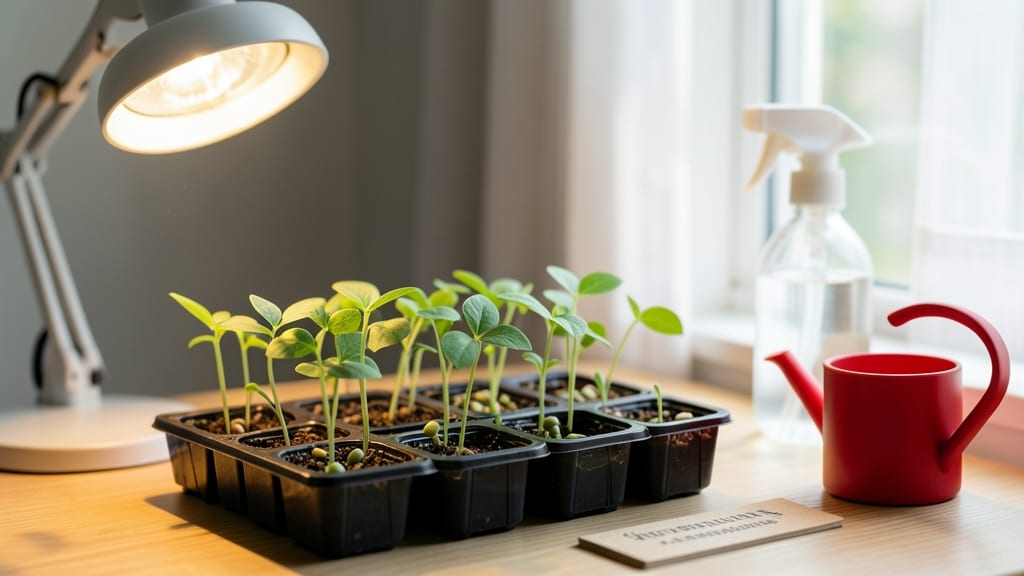
To start green bean seeds indoors, aim for 4-6 weeks before your last frost date—this timing ensures strong seedlings ready for transplant when soil warms.
Timing your green bean seeds indoors can mean the difference between a thriving harvest and wasted effort—get it wrong, and you’ll either face stunted plants or a late-season scramble for space. 🌱
Most gardeners in Zone 6a should begin seeds by mid-March, but regions with earlier springs can start as early as February. The key is matching your variety’s 60-70 day maturity timeline to your frost-free window.
Below, I’ll break down the exact math for your zone, how to handle light and heat indoors, and the common mistakes that derail even the best-laid plans.
Calculating the perfect indoor start date using frost dates
Getting your green bean seeds indoors at the right time means avoiding two common mistakes: starting too early (which leads to leggy, overcrowded seedlings) or too late (resulting in a short harvest window).
The key lies in frost-date math, where you calculate backward from your last frost date to determine when to sow seeds. This method ensures your seedlings are robust and ready for transplant just as outdoor conditions warm up.
First, find your average last frost date for your region—this is the date when temperatures reliably stay above freezing. You can check the USDA Plant Hardiness Zone Map or your local cooperative extension service for precise data.
For example, in Zone 6a (like many Midwestern states), the last frost typically falls around April 15, while in Zone 8b (Southern California), it might be as late as March 1.
Next, consider your green bean variety. Bush beans (like 'Blue Lake') mature in 55-60 days, while pole beans (like 'Kentucky Wonder') take 60-70 days. Since you’ll transplant seedlings outdoors, subtract 4-6 weeks from your last frost date to determine your indoor start window.
For a Zone 6a gardener, this means starting seeds between February 20 and March 10 for bush beans and March 10-20 for pole beans.
Here’s the step-by-step formula:
- Find your last frost date (e.g., April 15 for Zone 6a).
- Subtract days to maturity (e.g., 60 days for bush beans).
- Add 4-6 weeks for seedling growth before transplant.
| Variety | Days to Maturity | Indoor Start Window (Zone 6a) | Transplant Ready |
|---|---|---|---|
| Bush Beans (e.g., 'Blue Lake') | 55-60 days | February 20 - March 10 | April 15-25 |
| Pole Beans (e.g., 'Kentucky Wonder') | 60-70 days | March 10-20 | April 20-May 1 |
| Dwarf Beans (e.g., 'Contender') | 50-55 days | February 10-20 | April 5-15 |
Adjust your indoor start date based on your local climate zone and the specific variety you’re growing. For example, gardeners in Zone 5 (colder climates) should start seeds 6-8 weeks before their last frost, while those in Zone 7 (warmer climates) can wait until 3-4 weeks before the last frost.
Always err on the earlier side if your growing season is short.
Don’t forget to account for seedling hardening, a 7-10 day process where you gradually expose seedlings to outdoor conditions (like wind and cooler temps) before transplanting. This step is critical for bush beans, which are more sensitive to transplant shock than pole beans.
Start hardening 1 week before your planned transplant date to give seedlings time to adjust.
For Southern Hemisphere gardeners, reverse the timeline. Since frost dates occur in September-October, calculate your indoor start date by counting backward from your first frost (typically May 15 in Zone 7).
For example, if your last harvest needs to occur by April 30, start seeds indoors by February 15 for a 60-day variety.
Pro tip: Use a garden journal to track your frost dates and seed-starting success over the years. Note any adjustments you make based on unusual weather patterns or variety performance.
Over time, you’ll refine your indoor start timing to match your specific microclimate—whether that’s a sunny urban balcony or a shady rural garden.
Finally, always double-check your seed packet instructions, as some varieties (like heirloom or specialty beans) may have unique growth requirements. For instance, 'Rattlesnake' beans take 70-80 days to mature, so you’d need to start them even earlier in cooler zones.
When in doubt, opt for bush beans—they’re faster-growing and more forgiving for beginners.
With this frost-date math mastered, you’ll avoid the heartbreak of bolting seedlings or late-season failures. Soon, you’ll be harvesting tender green beans all summer long—just in time for your favorite recipes! 🌱
Green bean variety-specific indoor starting timelines
Not all green beans grow at the same pace, which means their indoor starting windows vary dramatically. Blue Lake beans need 50-60 days to maturity, while Kentucky Wonder can take 65-75 days.
Knowing these differences helps you avoid transplanting leggy seedlings too early or waiting too late for a harvest. For most gardeners in USDA Zone 6a, this means starting seeds 4-8 weeks before your last frost date, depending on the variety.
Pole beans like Contender often require longer growing seasons, so they need an earlier start indoors. Bush beans like Blue Lake, however, mature faster and can handle a slightly later transplant.
The key is matching your seed-starting timeline to the days to maturity and your local climate. Let's break down the specifics for popular varieties so you can plan with confidence.
| Variety | Type | Days to Maturity | Indoor Start Window (Zone 6a) | Transplant Ready |
|---|---|---|---|---|
| Blue Lake | Bush | 50-60 days | 4-6 weeks before last frost | 4-6 weeks after sowing |
| Contender | Pole | 60-70 days | 5-7 weeks before last frost | 5-7 weeks after sowing |
| Kentucky Wonder | Pole | 65-75 days | 6-8 weeks before last frost | 6-8 weeks after sowing |
| Provider | Bush | 55-65 days | 5-7 weeks before last frost | 5-7 weeks after sowing |
| Rattlesnake | Pole | 60-70 days | 5-7 weeks before last frost | 5-7 weeks after sowing |
For Blue Lake beans, which mature in just 50-60 days, you can afford to wait until 4-6 weeks before your last frost to start seeds indoors. This variety is perfect for gardeners with shorter growing seasons or those who want a quick harvest.
The seedlings will be ready to transplant 4-6 weeks after sowing, aligning perfectly with most spring planting schedules.
Pole beans like Contender and Kentucky Wonder need more time to reach maturity, so they require an earlier start. These varieties typically take 60-75 days to produce pods, meaning you should begin seeds 5-8 weeks before your last frost.
The extra time ensures they’ll have enough warmth and sunlight to develop strong vines and abundant yields.
If you're in a warmer climate (Zone 8+), you can push your starting window later—even as little as 3-4 weeks before last frost for bush beans.
However, in colder zones (Zone 5 or below), aim for 8 weeks before last frost to account for slower soil warming and shorter daylight hours. Adjusting your timeline based on your zone ensures your seedlings won’t outgrow their containers or struggle after transplanting.
Pro tip: Use a seedling heat mat for the first 10-14 days to speed up germination, especially for slower varieties like Kentucky Wonder. This small investment can shave 3-5 days off your total growing timeline, giving you a head start on the season.
Just be sure to harden off seedlings for 7-10 days before transplanting to avoid shock.