
Container Gardens
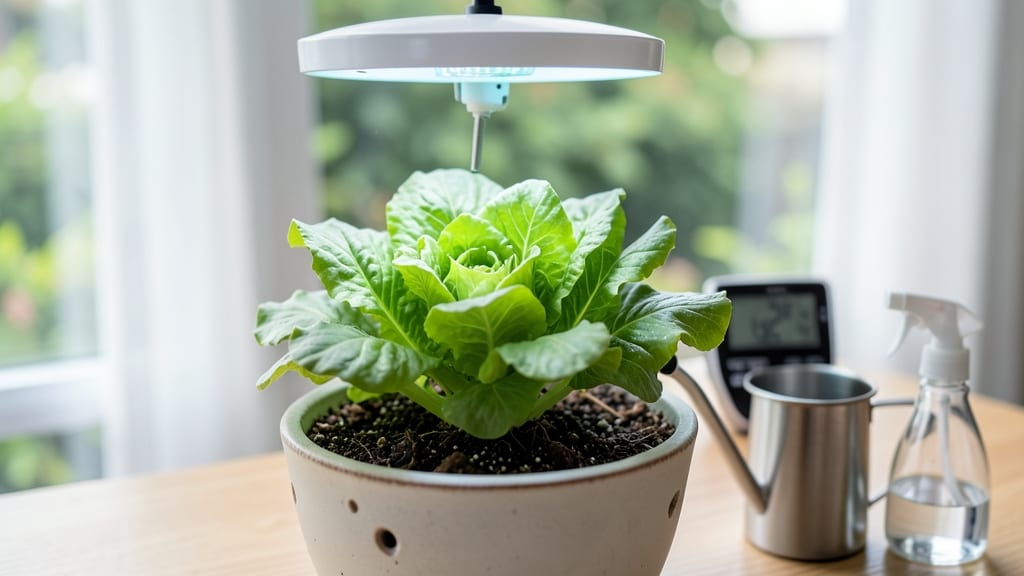
The best container for growing lettuce indoors is shallow, well-drained, and just the right size—think 6-8 inches deep with holes at the bottom. 🌱 I learned this the hard way after drowning my first batch in a deep pot, watching roots suffocate instead of spreading.
Lettuce thrives when its roots stay cool and moist but never soggy, and the right container makes all the difference.
Plastic grow bags or ceramic pots with drainage are my top picks—plastic stays lightweight for easy moving, while ceramic adds a touch of style and regulates moisture better. Fabric pots are another great option because they allow roots to breathe while preventing overwatering.
The key is matching the container to your space: small windowsills need compact pots, while larger setups can handle deeper trays for multiple plants.
With the right container, you’ll see crisp, vibrant leaves in just 3-4 weeks, perfect for salads straight from your kitchen. The secret is keeping the soil consistently damp (not wet) and placing the container where it gets 4-6 hours of bright, indirect light daily.
Too much sun scorches the leaves, while too little stretches them out and makes them bitter—neither of which you want when you’re craving fresh greens.
Pro tip: Rotate your container weekly so all sides get even light, and avoid metal containers—they heat up and can cook your lettuce from the inside out. Whether you’re growing butterhead, romaine, or leaf lettuce, the right container sets you up for success without the guesswork.
📚 In This Guide
- What you need
- Instructions
- Tips and common mistakes
- Wrapping up and next steps
What you need
- ● Container: 1 shallow container (4–6 inches deep) with drainage holes 🌱
- ● Width: 6–12 inches (depending on lettuce variety and quantity)
- ● Options: Ceramic pots, fabric grow bags, or recycled takeout containers (drill holes if needed)
- ● Growing Medium: 1 bag of high-quality potting mix (sterilized, seed-starting blend preferred) 🌿
- ○ Optional: Perlite or vermiculite (10–20% mix) for improved drainage
- ● Lettuce Seeds or Seedlings: Lettuce seeds (leaf varieties like Buttercrunch or Romaine work well indoors) 🌱
- ● OR 3–5 young lettuce seedlings (transplant-friendly)
- ● Drainage Layer: Pebbles, small rocks, or broken pottery (1–2 inches deep) 🪨
- ● Watering Tools: Spray bottle (for gentle watering) 💦
- ○ Optional: Self-watering tray or wick system (for consistent moisture)
- ● Lighting: Grow lights (LED or fluorescent, 12–16 hours/day) 💡 (Critical for indoor success!)
- ● OR South-facing window (bright, indirect light)
- ● Fertilizer: Balanced liquid fertilizer (diluted to half-strength) 🌱
- ● Humidity dome or plastic wrap (to retain moisture while germinating)
- ● Thermometer/hygrometer (to monitor ideal temps: 60–70°F)
- ● Tweezers (for transplanting delicate seedlings)
How to choose the perfect container for indoor lettuce success
Here’s the container setup I swear by—shallow, well-draining, and designed to keep your lettuce thriving.
🪴 Step 1: Prioritize Shallow Depth for Loose Roots
Lettuce roots are shallow and delicate—4-6 inches deep is ideal. I avoid tall pots because they trap excess moisture, which causes rot. Terra cotta pots with 1-2 inch rims work best—they wick away moisture and prevent soil splashes on leaves. If using plastic, drill extra drainage holes along the sides to mimic terra cotta’s breathability.
I like to use 6-inch-wide containers for each head of lettuce, spacing them 4 inches apart if growing multiple plants. The wider surface area prevents overcrowding, which leads to leggy, bitter leaves. Watch for roots circling the pot’s edge—that’s your sign to upgrade to a larger container or harvest soon.
💧 Step 2: Ensure Proper Drainage to Prevent Rot
No matter the material, drainage holes are non-negotiable. I test containers by filling them with water—if it drains within 1-2 minutes, it’s safe. For pots without holes, I invert them and drill ¼-inch holes along the bottom, then line the base with a mesh screen to keep soil in place. Without drainage, lettuce roots suffocate and turn mushy in days.
I also add a 1-inch layer of gravel or perlite at the bottom before soil. This creates an air pocket that prevents waterlogging. You’ll know your drainage is right when the soil feels damp but not soggy—like a wrung-out sponge. Overwatering is the #1 killer of indoor lettuce, so I water only when the top inch of soil feels dry.
☀️ Step 3: Position for Bright, Indirect Light
Lettuce thrives in 4-6 hours of bright, indirect light daily. South-facing windows are best, but avoid direct midday sun, which scorches leaves. I place my containers on a rolling cart so I can rotate them quarter-turns weekly—this prevents leaning and ensures even growth. If your space is dim, supplement with a grow light 6-12 inches above the plants for 12-14 hours daily.
You’ll see the difference instantly: leaves stay crisp and vibrant under proper light. If they yellow or stretch toward the window, your lettuce is begging for more brightness. I keep my containers on a stable surface (not wobbly shelves) to avoid tipping when I water or harvest.
🌿 Step 4: Choose the Right Soil Mix for Fast Growth
Lettuce roots need light, airy soil that drains quickly. I mix 50% potting soil with 50% compost for nutrients, then add a handful of perlite to prevent compaction. Avoid garden soil—it’s too dense and can harbor pests. Fill the container to ½ inch below the rim, leaving space for watering without spills.
Press the soil gently around the roots if transplanting, but don’t pack it down. Lettuce roots should spread freely in the top 2 inches of soil. I like to add a thin layer of mulch (like straw) on top to retain moisture and keep soil cool. This is especially helpful in warm rooms, where lettuce bolts (goes to seed) faster.
⏰ Step 5: Maintain Consistent Moisture Without Overwatering
Lettuce loves even moisture but hates soggy soil. I water every 2-3 days in warm rooms, checking the top inch of soil for dryness. Use a watering can with a narrow spout to direct water to the soil—not the leaves. Wet foliage invites fungal diseases, and lettuce is particularly susceptible.
I’ve learned the hard way that trays without drainage lead to root rot. If your container sits in a saucer, empty excess water 30 minutes after watering. You’ll know your moisture balance is right when leaves stay crisp and upright. If they wilt slightly in the morning, that’s normal—just water deeply and watch them perk up within hours.
Tips & tricks for perfect indoor lettuce growth
Here's what nobody tells you about keeping your leafy greens thriving indoors—these tricks make all the difference!
Container Material Matters: Terra cotta containers are my go-to because they wick moisture away, but they dry out faster in dry climates. If you're using plastic, add a mesh screen over the drainage holes to prevent soil from clogging them—this keeps your 1-2 minute drainage test reliable. For extra stability, place plastic containers on a saucers with feet to improve airflow underneath.
Light Rotation Secret: The quarter-turn weekly rotation in Step 3 isn't just about even growth—it's also how you spot nutrient deficiencies early. If leaves turn yellow on one side, that's your lettuce telling you it needs more light on that side. I keep a small notebook to track which side gets which light exposure, and it's helped me adjust my rolling cart position perfectly.
Soil Depth Visual Cue: When filling your container to the ½ inch below the rim mark, think of it like filling a glass halfway with water. The top 2 inches of soil should be where most root activity happens—if you see roots growing downward beyond that, it's time to transplant to a deeper container. I use a wooden skewer to gently check root depth without disturbing them.
Watering Hack: Instead of relying on the 2-3 day watering schedule, I use a toothpick test—insert it into the soil and if it comes out clean, it's time to water. This accounts for temperature fluctuations better than fixed schedules. For extra insurance, I water in the morning so any excess drains out by evening, preventing fungal growth.
Pro Tips for Best Container For Growing Lettuce Indoors
- Here's what nobody tells you about keeping your leafy greens thriving indoors—these tricks make all the difference!
- Container Material Matters: Terra cotta containers are my go-to because they wick moisture away, but they dry out fas...
- Light Rotation Secret: The quarter-turn weekly rotation in Step 3 isn't just about even growth—it's also how you spot...
Frequently asked questions
Got questions about growing lettuce indoors?
You’re not alone! Here are answers to the most common concerns—from container choices to troubleshooting—so you can cultivate crisp, homegrown greens with confidence.
What’s the best container size for lettuce?
Lettuce thrives in shallow containers (4–6 inches deep) with a width of at least 6 inches per plant. Deeper pots risk soggy roots, while wider ones allow multiple plants. Opt for containers with drainage holes to prevent waterlogging—lettuce hates wet feet!
How long does it take to grow lettuce in a container?
Most leaf lettuce varieties mature in 30–50 days, while head lettuce (like romaine) takes 60–80 days. Speed up growth with 12–16 hours of light daily (grow lights help!) and keep soil consistently moist but not soggy. Patience pays off with crisp, ready-to-harvest leaves!
Can I reuse containers from other plants?
Yes! Just sanitize them first—scrub with soapy water, rinse, and disinfect with a 1:10 bleach-water mix (or vinegar). Avoid containers that held tomatoes, peppers, or eggplants (they’re nightshades and share pests/diseases). Clean containers = healthier lettuce!
Why is my lettuce turning bitter or bolting?
Bitter taste or premature bolting (flowering) usually means heat stress or long daylight. Lettuce prefers cool temps (50–65°F) and 12–14 hours of light. Move containers away from sunny windows in summer, or use shade cloth. If it bolts, harvest leaves quickly—they’ll still taste great!
What’s a good alternative if I don’t have pots?
No pots? No problem! Try:
- Fabric grow bags (breathable, great for drainage)
- Colanders or mesh bags (line with a coffee filter for moisture control)
- Window box or hanging planters (ensure depth is 4+ inches)
- Upcycled containers (yogurt cups, egg cartons—just add drainage holes!)
Wrapping up and next steps
Growing lettuce indoors is a rewarding way to enjoy fresh, crisp greens year-round—and choosing the right container makes all the difference! 🌱 Whether you opt for a shallow tray, fabric grow bag, or self-watering planter, prioritize shallow depth and proper drainage to keep roots happy and pests away.
With the right setup, you’ll be harvesting homegrown lettuce in weeks!
Ready to start? Pick your container, prep your seeds, and give it a try! Even if you’re new to indoor gardening, lettuce is one of the easiest crops to grow—so don’t wait to dive in. 🌿