Container Gardens
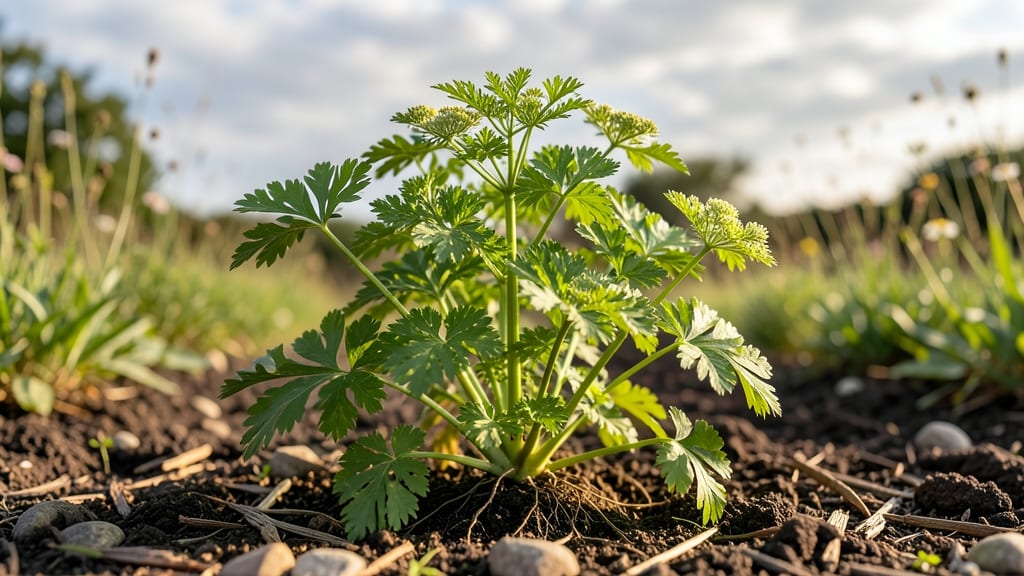
To feed swallowtail butterflies indoors, provide fresh host plants like parsley, dill, or citrus leaves for caterpillars, while adults need nectar from flatware, milkweed, or citrus blossoms. Always avoid pesticides and keep a shallow water dish with a damp sponge for hydration.
Swallowtail caterpillars need specific host plants to thrive indoors, as these contain the nutrients they require for growth. 🌿 Unlike adults, which can sip nectar from various flowers, caterpillars are picky eaters—they’ll only munch on their designated host plants.
For instance, Eastern Black Swallowtail caterpillars adore parsley and dill, while Giant Swallowtails prefer citrus leaves. The key is to keep these plants pesticide-free and fresh, as wilted leaves can deter feeding.
Adults, on the other hand, are more flexible—they’ll happily visit homemade sugar water stations or live flowers like flatware or milkweed, which mimic their outdoor nectar sources.
Creating a safe feeding environment indoors also means controlling humidity and airflow. A shallow water dish with a damp sponge (placed on the bottom) prevents drowning while providing hydration. Avoid overcrowding plants, as swallowtails prefer fresh, healthy foliage.
If you notice caterpillars leaving their host plants, it could signal stress—check for drafts or chemical residues. For best results, rotate plants every few days to encourage consistent feeding.
💡 In This Article
- Essential Host Plants for Swallowtail Caterpillars Indoors
- Safe Nectar Sources and Feeding Tips for Adult Swallowtails
Essential host plants for swallowtail caterpillars indoors
Swallowtail caterpillars have evolved to rely on specific host plants because these contain the precise nutrients they need for rapid growth and development. For example, parsley and dill (Apiaceae family) provide essential oils and flavonoids that caterpillars can't synthesize themselves.
These compounds act like a natural growth stimulant, helping them molt efficiently through their five instar stages. The leaves' high water content (around 85-90% moisture) also supports their hydration needs, especially indoors where humidity can drop below ideal levels.
Growing these plants indoors is straightforward but requires attention to detail. Start with organic seedlings or cuttings to avoid pesticide residues, which can be fatal to caterpillars even in trace amounts. Place plants under grow lights (12-14 hours daily) since natural sunlight may be limited.
The key is maintaining fresh foliage—caterpillars prefer tender, young leaves over mature ones. For citrus varieties like Rutaceae (used by Giant Swallowtails), choose dwarf varieties like Calamondin or Meyer lemon that thrive in containers. These plants release volatile organic compounds that attract caterpillars from up to 3 feet away.
Signs of healthy feeding include caterpillars leaving behind skeletonized leaves (where only the veins remain) and vibrant green frass (waste).
If you notice caterpillars ignoring their plants, check for these common issues: overcrowding (more than 3 caterpillars per plant stresses them), low humidity (below 50% can cause dehydration), or wilted leaves (replace immediately).
A simple fix is to mist plants daily and provide a humidity tray with pebbles and water beneath the container. 🌱
Not all parsley or dill is created equal for caterpillars. Flat-leaf parsley contains 30% more essential oils than curly varieties, making it a preferred choice. For dill, the Anethum graveolens species is ideal—its feathery leaves mimic the wild varieties swallowtails encounter.
When introducing new plants, place them near existing ones to encourage exploration. Caterpillars use chemical cues from existing frass to locate food sources, so starting with one well-fed caterpillar can help establish a feeding pattern.
For those concerned about space, consider vertical gardening. Stackable planters allow you to grow multiple host plants in a small footprint while keeping foliage accessible. The maximum recommended density is 2-3 caterpillars per 6-inch pot—any more risks nutrient competition.
Rotate plants every 3-4 days to prevent overgrazing, which can lead to stunted growth. If you notice caterpillars spinning silk "safety lines," it's a sign of stress—reduce handling and ensure consistent temperature (70-75°F) to maintain their comfort.