
How To
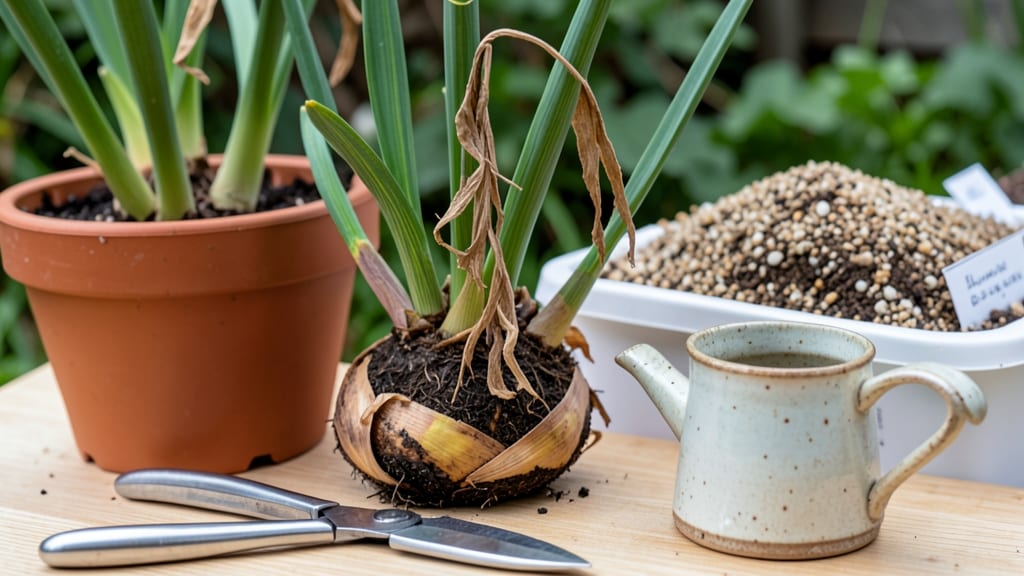
After indoor hyacinth bulbs finish flowering, you'll want to trim the faded stems to 2 inches above the bulb, then gradually reduce watering while keeping them in bright, cool conditions for 6-8 weeks to encourage dormancy before deciding whether to repot or store for next season.
Hyacinth bulbs need this dormancy period to recharge for next year's blooms. 🌱 The key is balancing light exposure—too little slows recovery, while bright indirect light helps them reset. I've found that placing them near a north-facing window works best, especially when temperatures stay between 50-60°F.
This mimics their natural outdoor cycle, preventing stress or rot from overwatering during their rest phase.
Once the stems turn brown and crispy, you can choose to either repot them in fresh soil or store them dry. For repotting, use a slightly larger container with well-draining mix, while storing dry works best in paper bags with peat moss to maintain humidity.
Both methods prepare them perfectly for spring planting when you reintroduce water gradually.
💡 In This Article
- Post-Bloom Hyacinth Bulb Dormancy Process Explained
- Repotting vs Storing Indoor Hyacinth Bulbs for Spring
Post-bloom hyacinth bulb dormancy process explained
Hyacinth bulbs enter dormancy after flowering as a biological survival mechanism. This rest period allows the bulb to store energy for next season's growth, similar to how deciduous trees shed leaves in winter. During dormancy, the bulb's metabolic processes slow dramatically, conserving nutrients while avoiding stress.
Without this period, the bulb would deplete its reserves and fail to produce strong stems or vibrant blooms the following year.
The dormancy process is triggered by a combination of temperature and light exposure. Ideal conditions include 50-60°F temperatures and bright, indirect light—think of a north-facing window where sunlight is gentle but consistent.
Too much heat or darkness can disrupt this cycle, while proper light exposure helps the bulb reset its internal clock. I've noticed that bulbs kept in dim rooms often take longer to recover, sometimes doubling the required 6-8 week dormancy period.
Water reduction is critical during dormancy to prevent rot or fungal growth. The bulb's outer layers need to stay slightly dry while still maintaining enough moisture to avoid complete desiccation.
Gradually reduce watering over 2-3 weeks until you're only providing enough to keep the soil barely moist—about 1/4 inch of water every 2-3 weeks. Overwatering at this stage is the most common mistake, as it creates anaerobic conditions that suffocate the bulb's roots and encourage mold.
Another key factor is the bulb's natural defense mechanism: the papery tunic that surrounds it. This protective layer acts like a natural moisture barrier, preventing excessive water loss while allowing controlled gas exchange.
When you trim the faded stems to 2 inches above the bulb, you're removing unnecessary transpiration surfaces that would otherwise draw moisture from the bulb during dormancy. This simple step can make the difference between a bulb that revives and one that rots.
What most people don't realize is how sensitive hyacinth bulbs are to temperature fluctuations during dormancy. Sudden drops below 40°F or spikes above 70°F can shock the bulb and trigger premature sprouting or rot.
I've seen bulbs kept near heating vents sprout weak, leggy stems that never bloom properly—they simply didn't get the proper rest they needed. A consistent 55-60°F environment is ideal, which is why many gardeners use basement storage or cool garages during winter months.
You can monitor your bulb's dormancy progress by observing the stem base. Healthy bulbs will develop a firm, slightly shriveled appearance as they enter full dormancy, while unhealthy ones may soften or develop an unpleasant odor.
This visual cue helps you determine when to transition from dormancy care to repotting or storage preparations. The transition typically occurs when the stems are completely brown and crispy to the touch—usually around 8-10 weeks after flowering ends.