
Container Gardens
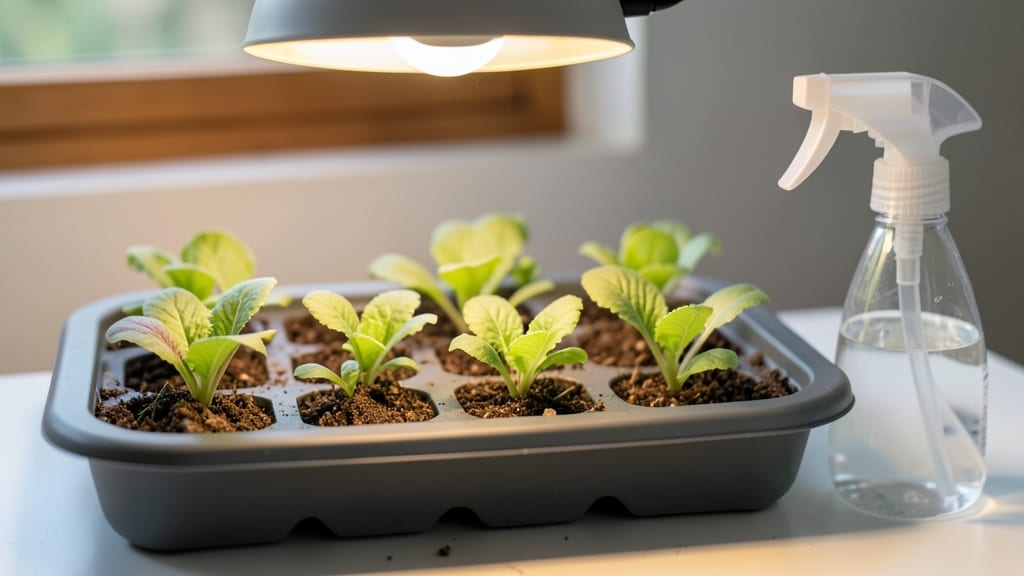
Starting lettuce indoors means fresh, crisp leaves on your table by spring—no store-bought wilt in sight. 🌱 I used to wait until spring to plant lettuce, but that meant tiny, bitter greens by summer.
Now, I start seeds in February for a head start that keeps my garden productive for months. You only need three things: a shallow container, seed-starting mix, and a sunny windowsill. Lettuce seeds germinate in just 3-5 days, so you’ll see progress fast.
The key is keeping them moist but not soggy—lettuce roots need air almost as much as water. By the time seedlings have 2-3 true leaves, they’re ready to move into larger pots. Transplant them outdoors after your last frost, and you’ll harvest tender leaves in 4-6 weeks.
The flavor? Sweet, crisp, and far superior to anything from the grocery store. This method works for any variety—romaine, butterhead, or loose-leaf. Even if you’ve killed seedlings before, lettuce is one of the most forgiving crops to start indoors. Let’s get those seeds going!
📚 In This Guide
- What you need
- Instructions
- Tips and common mistakes
- Wrapping up and next steps
What you need
- ● Seeds: Choose cold-hardy varieties like Buttercrunch, Romaine, or Leaf Lettuce. Buy 20-50 seeds (depending on your container size).
- ● Seed Starting Mix: A lightweight, sterile mix (e.g., Black Gold Seedling Mix or FoxFarm Seedling Soil)—1-2 quarts per container.
- ● Containers: Cell trays (72-cell or 128-cell) or biodegradable pots (2-3 inches deep).
- ○ Optional: A seedling heat mat (if starting in cool climates).
- ● Grow Lights: A full-spectrum LED bulb (e.g., Samsung LM300) or a fluorescent shop light (12-16 inches above seedlings).
- ● Spray Bottle: For gentle watering (16 oz with a fine mist nozzle).
- ● Trowel or small shovel (for transplanting).
- ○ Humidity Dome (optional, to retain moisture).
- ● Fertilizer: A balanced liquid fertilizer (5-5-5 or 10-10-10) or fish emulsion (diluted to half-strength).
- ○ Thermometer (optional, to monitor soil temp—ideal range: 60-75°F).
- ● Labels & markers (to track varieties and planting dates).
Step-by-Step instructions for starting lettuce indoors
Here's my foolproof method for growing crisp, homegrown lettuce from seed—no fancy equipment needed.
🌱 Step 1: Prepare Containers and Seed Starting Mix
Fill shallow trays or small pots with a light, sterile seed-starting mix. I like to use 4-inch square pots for each lettuce plant since they grow quickly and don’t need deep roots. Moisten the mix until it feels like a damp sponge—just enough to hold together when squeezed, but not dripping.
Press the soil down lightly to remove air pockets, then smooth the surface with your fingers. This ensures even moisture distribution and prevents seeds from floating too deep. I place a small label in each pot right away—lettuce varieties grow at different rates, and you’ll want to keep them organized.
🌱 Step 2: Sow Seeds Correctly for Fast Germination
Sprinkle 3-4 seeds per pot on the soil surface—lettuce seeds are tiny, so I use a toothpick to space them evenly. Press them lightly into the mix with your fingertip, just enough to make contact but not bury them. Lettuce seeds need light to germinate, so don’t cover them with soil.
Mist the surface gently with a spray bottle until the soil looks evenly damp. A heavy watering can will wash seeds away, and you’ll end up with uneven germination. Place the trays in a warm spot—65-75°F is ideal—and cover them loosely with plastic wrap to retain moisture. Check daily for condensation; if it’s heavy, remove the wrap for 10 minutes to prevent mold.
☀️ Step 3: Provide Light and Prevent Leggy Growth
Once seeds sprout—usually in 5-10 days—remove the plastic wrap immediately. Lettuce seedlings need bright light to stay compact. Place them under a grow light or in the brightest window you have, ideally with 12-14 hours of light daily. If your seedlings stretch toward the light (a sign of legginess), they’re not getting enough intensity.
Keep the light 2-3 inches above the plants and raise it as they grow. You’ll notice strong seedlings have thick stems and dark green leaves, while weak ones look pale and stretched. Water from the bottom by placing trays in ½ inch of water for 10 minutes—this encourages roots to grow downward and prevents disease.
🌿 Step 4: Thin Seedlings and Harden Off
When seedlings have 2-3 true leaves (the first real leaves, not the tiny seed leaves), thin them to the strongest plant per pot. Use scissors to snip the weaker ones at soil level—this avoids disturbing the roots of the ones you’re keeping. Lettuce grows fast, so thinning early prevents overcrowding and competition for nutrients.
Two weeks before your last frost date, start hardening off the seedlings. Place them outside in a shaded spot for 1 hour the first day, gradually increasing time over 5-7 days until they’re out all day. Watch for wilting—if leaves droop, they’re not ready for full sun yet. Hardened-off seedlings will bolt less and grow more resilient in the garden.
Tips & tricks for perfect indoor lettuce starts
Between us, these small adjustments make all the difference between leggy seedlings and thriving, crisp lettuce plants.
Light Intensity Matters: In Step 3, when positioning your grow light or seedlings near a window, aim for 12-14 hours of bright light daily. If your seedlings stretch toward the light (called "legginess"), they're not getting enough intensity. I use a simple trick: if you can read a book comfortably under the light, it's too dim. Move the light closer or add a second bulb for better results.
Soil Temperature Secret: The ideal 65-75°F soil temperature in Step 2 is crucial for fast germination. If your home stays cooler, place the trays on a seedling heat mat set to 70°F—this can cut germination time from 10 days to just 5-7 days. Just be careful not to overheat, as temperatures above 80°F can inhibit germination.
Thinning Technique: When thinning to your strongest plant in Step 4, use clean scissors to snip at soil level rather than pulling. This prevents disturbing the roots of your kept seedlings. I also recommend thinning when the soil is slightly damp—it makes the process cleaner and reduces stress on the remaining plants.
Hardening Off Hack: For the 1-hour daily hardening off period, start with a shaded spot like under a tree or on a porch. Gradually move to sunnier locations over the 5-7 days—this mimics natural sunlight exposure. Watch for wilting as your signal: if leaves droop, they're not ready for more sun yet.
Pro Tips for Starting Lettuce Indoors
- Between us, these small adjustments make all the difference between leggy seedlings and thriving, crisp lettuce plants.
- Light Intensity Matters: In Step 3, when positioning your grow light or seedlings near a window, aim for 12-14 hours of bright light daily.
- Soil Temperature Secret: The ideal 65-75°F soil temperature in Step 2 is crucial for fast germination.
Frequently asked questions
Got questions about growing lettuce indoors? You’re not alone! Here are answers to the most common queries to help you get started with confidence.
When is the best time to start lettuce indoors?
For most climates, start lettuce indoors 6–8 weeks before your last expected frost date. This gives seedlings enough time to mature before transplanting outdoors (or staying indoors if you’re growing year-round). Check your local frost dates or aim for early spring—lettuce grows quickly!
Do I need grow lights, or will natural light work?
Natural light is ideal, but if your space lacks sunlight, grow lights are a must. Lettuce needs 12–16 hours of light daily. LED or fluorescent lights work well—just keep them 2–4 inches above seedlings to avoid overheating. Rotate trays weekly for even growth!
What if my seedlings look leggy or weak?
Leggy seedlings usually mean too little light or heat. Move them closer to a sunny window or under grow lights immediately. Thin crowded seedlings to 1–2 inches apart and ensure temperatures stay between 60–70°F. A weak start? No problem—just give them more light and patience!
Can I use regular potting soil, or do I need something special?
Use a lightweight, well-draining seed-starting mix (avoid garden soil—it’s too dense). Mix in perlite or vermiculite (20%) to improve aeration. Lettuce roots are shallow, so a 4–6 inch deep container with drainage holes works perfectly. Sterilize soil if reusing trays!
What’s the best way to harden off lettuce before transplanting?
Harden off seedlings 7–10 days before moving outdoors. Start by placing them in a shady, sheltered spot for 1–2 hours daily, gradually increasing time and sun exposure. By day 7, they should tolerate full sun. Avoid hardening in wind or extreme temps—lettuce is delicate!
How do I prevent bolting (going to seed) in indoor lettuce?
Bolting happens when lettuce gets too hot or stressed. Keep temps below 75°F and avoid overcrowding. Choose heat-tolerant varieties like ‘Black Seeded Simpson’ or ‘Jericho’. If seedlings bolt indoors, harvest outer leaves first—the core may still produce!
Wrapping up and next steps
Starting lettuce indoors is a rewarding way to jumpstart your growing season and enjoy fresh, crisp greens straight from your home.
With the right setup—like proper containers, lighting, and care—you’ll be well on your way to a thriving harvest. Now that you’re armed with tips and tricks, it’s time to roll up your sleeves and get growing!
Your next step? Plant those seeds and watch your garden come to life! 🌱 Whether you’re a seasoned gardener or just beginning, every tiny sprout is a step toward a bountiful harvest. Happy planting!