
Propagation
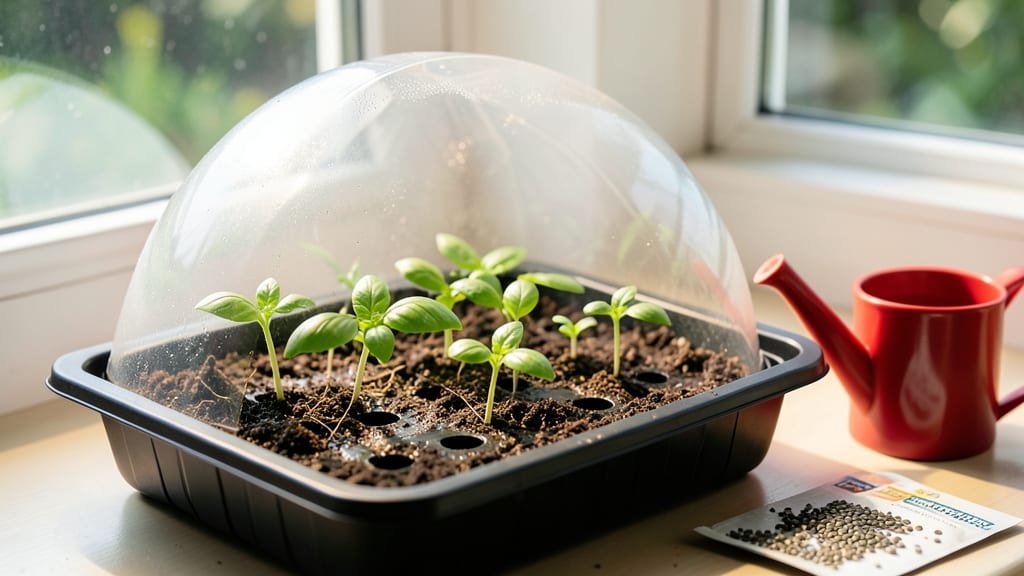
Sprouting basil seeds indoors can turn your kitchen windowsill into a fragrant herb garden in just 7 days—if you nail the warmth trick. 🌱 I’ve struggled with slow germination until I discovered the simple tweaks that make basil seeds pop like clockwork, even for beginners.
The secret lies in consistent warmth and the right setup: a shallow tray, damp paper towels, and a cozy spot near a heat source (like the fridge top). Most people overwater or use cold soil, which delays those first green shoots.
Skip the fancy gear—just grab what you’ve got and keep the seeds snug. By day 4, you’ll spot tiny sprouts breaking through, and by day 7, they’ll be ready to transplant.
The smell of fresh basil in your kitchen? Unbeatable. Plus, you’ll save money and grow varieties you’ll never find at the store. Here’s how to avoid the pitfalls and get every seed to germinate—no black thumb required.
📚 In This Guide
- What you need
- Instructions
- Tips and common mistakes
- Wrapping up and next steps
What you need
- ● Basil seeds: 1 packet (about 100-200 seeds, organic or non-GMO preferred for best results)
- ● Seed-starting tray or small pots: 2-4 (4-inch diameter or larger, with drainage holes)
- ● High-quality seed-starting mix: 1 bag (sterilized, peat-free or coconut coir-based for moisture retention)
- ● Spray bottle with water: 1 (fine mist setting to avoid disturbing seeds)
- ● Plastic wrap or clear lid: 1 (to create a humidity dome)
- ● Grow lights or sunny windowsill: 1 (6-8 hours of light daily; LED grow lights are ideal)
- ○ Heat mat (optional but recommended): 1 (70-80°F range to speed up germination)
- ○ Small fan (optional): 1 (for gentle airflow to prevent damping-off)
- ● Seedling heating pad or warm towel (if no heat mat is available)
- ● Humidity tray or clear plastic container (to boost moisture levels)
- ● Fertilizer (diluted fish emulsion or seaweed extract for early growth)
- ● Plant labels (to track seed varieties if mixing types)
- ● Pruning shears (for future maintenance once seedlings sprout)
Step-by-Step instructions for sprouting basil seeds indoors
Here’s how I guarantee fast, healthy basil seedlings in just 7 days—no fancy gear needed.
🌱 Step 1: Soak Seeds Overnight for Faster Germination
Place 4 basil seeds in a small bowl and cover them with lukewarm water—just enough to submerge them completely. Let them soak for 8-12 hours while you sleep. The seeds will plump up noticeably, which kickstarts germination. I like to use a shallow dish so I can see them clearly.
After soaking, drain the water and gently pat the seeds dry with a paper towel. This prevents mold from forming later. You’ll see them look slightly swollen and ready to plant. Don’t skip this step—it cuts germination time in half and ensures stronger seedlings.
🪴 Step 2: Plant in Moistened Soil and Cover for Warmth
Fill a small 2-3 inch deep container with dampened potting mix—just enough to hold 4 seeds spaced ½ inch apart. Press each seed ¼ inch deep into the soil using your finger. The key here is gentle pressure—you want them snug but not buried too deep.
Lightly mist the soil surface with a spray bottle until it’s evenly damp. Cover the container with a clear plastic dome or wrap it in plastic wrap to trap warmth and moisture. Place it in a spot that stays 70-75°F, like on top of a fridge or near a sunny window. You’ll see condensation form inside the cover—that’s perfect.
💧 Step 3: Monitor Moisture and Light Daily
Check the soil every 1-2 days—it should feel like a wrung-out sponge, not soggy. If the plastic fogs up, lift it for 5 minutes to let excess moisture escape. Basil seeds germinate fastest when kept consistently warm and damp. You’ll spot tiny sprouts in 3-5 days—they’ll look like tiny green hairs poking through the soil.
Once sprouts appear, remove the cover immediately to prevent damping-off (a fungal disease that causes seedlings to collapse). Place the container under a grow light or in a south-facing window where it gets 6+ hours of bright light daily. If leaves look pale or stretch toward the light, your seedlings need more intensity—move them closer.
✂️ Step 4: Thin and Transplant When Ready
After 7-10 days, when seedlings have 2-3 true leaves, gently snip the weakest one with scissors to leave just the strongest plant per container. Handle them carefully—they’re fragile but resilient. Water lightly at the base, avoiding the leaves to prevent disease.
When seedlings reach 3-4 inches tall, transplant them into individual 4-inch pots with fresh potting mix. This gives their roots room to grow. Keep them in bright, indirect light for 1 week after transplanting to help them recover. You’ll know they’re thriving when new leaves appear within 5-7 days.
☀️ Step 5: Harden Off for Outdoor Success
Two weeks before your last frost date, start hardening off your basil seedlings. Place them outside in a sheltered spot for 1 hour the first day, gradually increasing time over 7-10 days until they can handle full sun. Watch for wilting—they’re telling you to slow down.
Once hardened, your basil will be ready for the garden or a sunny windowsill. Pinch off the top set of leaves when the plant is 6 inches tall to encourage bushier growth. You’ll harvest your first leaves in just 2-3 weeks—that’s the payoff for fast germination!
Tips & tricks for sprouting basil seeds indoors
Here's what I learned after sprouting basil seeds for years—these small tweaks make all the difference between waiting weeks and harvesting in just 7 days.
Soaking Secret: The 8-12 hour soak is your best friend, but don't let these seeds dry out after draining. Place them on a paper towel over a damp paper towel in a sealed container—this keeps them hydrated until planting. I've seen seeds dry out completely between soaking and planting, which kills germination. Think of it like giving them a spa day before the big planting event!
Temperature Matters: That 70-75°F range in Step 2 is non-negotiable for fast germination. If your home runs cooler, place the covered container on top of your fridge (not inside) or near a sunny window. I've used a seedling heat mat set to 75°F for even faster results—just don't let it get hotter than that, or you'll cook the seeds. A simple thermometer near the container works perfectly to monitor this.
Light Strategy: When you spot those first sprouts in 3-5 days, move them to the brightest light source immediately. I use a simple LED grow light on a timer for 12 hours daily—it's a small investment that prevents those sad, leggy seedlings. If using natural light, rotate the container daily so all sides get equal exposure. You'll notice the difference in just 24 hours!
Thinning Technique: In Step 4, when thinning to your strongest seedling, use clean scissors and cut at the soil level—not above it. This prevents disease from entering through open wounds. I like to water the soil first so it's easier to see which seedling is the strongest. Remember, you're keeping the one that looks healthiest, not the biggest—sometimes the smaller one is actually more vigorous.
Pro Tips for Sprouting Basil Seeds Indoors
- Here's what I learned after sprouting basil seeds for years—these small tweaks make all the difference between waiting weeks and harvesting in just 7 days.
- Soaking Secret: The 8-12 hour soak is your best friend, but don't let these seeds dry out after draining.
- Temperature Matters: That 70-75°F range in Step 2 is non-negotiable for fast germination.
Frequently asked questions
Got questions about sprouting basil seeds indoors? You’re not alone! Here are answers to the most common queries—from timing to troubleshooting—to help you grow fresh basil like a pro.
How long does it take for basil seeds to sprout indoors?
With the right warmth (70–80°F) and moisture, basil seeds typically sprout in 5–7 days. Keep them consistently damp (not soggy) and in a warm spot—like on top of a fridge—to speed up germination. Patience is key, but you’ll see tiny sprouts peeking through the soil soon!
Why aren’t my basil seeds sprouting? What’s going wrong?
If seeds aren’t sprouting, check these common culprits:
- Cold soil: Basil needs warmth—try a seedling heat mat if your home is chilly.
- Too much water: Overwatering drowns seeds. Keep soil moist, not waterlogged.
- Old seeds: Basil seeds lose viability after 1–2 years. Test a few in a damp paper towel first.
- Low light: Even seedlings need bright (but indirect) light to thrive.
Can I grow basil from seeds without soil?
Basil seeds can sprout in water (like pea shoots) or a damp paper towel for 3–5 days. Once sprouted, transfer them to soil or a hydroponic setup. Just be gentle—they’re delicate at first! For faster roots, use a seed starting mix instead.
How soon can I transplant basil seedlings outdoors?
Wait until seedlings have 3–4 true leaves (not just the first seed leaves) and nighttime temps stay above 50°F (10°C). Harden them off for 5–7 days by placing them outside for a few hours daily. Transplant in the evening to reduce stress on the plants.
What’s the best way to harvest basil from homegrown seedlings?
Pinch off leaves from the top third of the plant to encourage bushier growth. Avoid cutting more than 1/3 of the plant at once. For continuous harvests, snip leaves regularly—just leave at least 2–3 sets of leaves per stem. Pro tip: Harvest in the morning for the freshest flavor!
Wrapping up and next steps
Growing basil from seeds indoors is a rewarding journey that brings fresh, fragrant herbs right to your kitchen in just 7 days! With the right warmth, moisture, and patience, you’ll soon enjoy the satisfaction of watching tiny seeds transform into lush green plants.
Whether you’re a beginner or a seasoned gardener, this method proves that anyone can cultivate their own basil—no green thumb required.
Now that you’re armed with the know-how, why not take the next step? Try experimenting with different containers, lighting setups, or even flavored basil varieties.
Share your progress with fellow plant lovers or gift your homegrown harvest to friends—because nothing beats the joy of a thriving plant you nurtured from scratch! 🌱✨