
Container Gardens
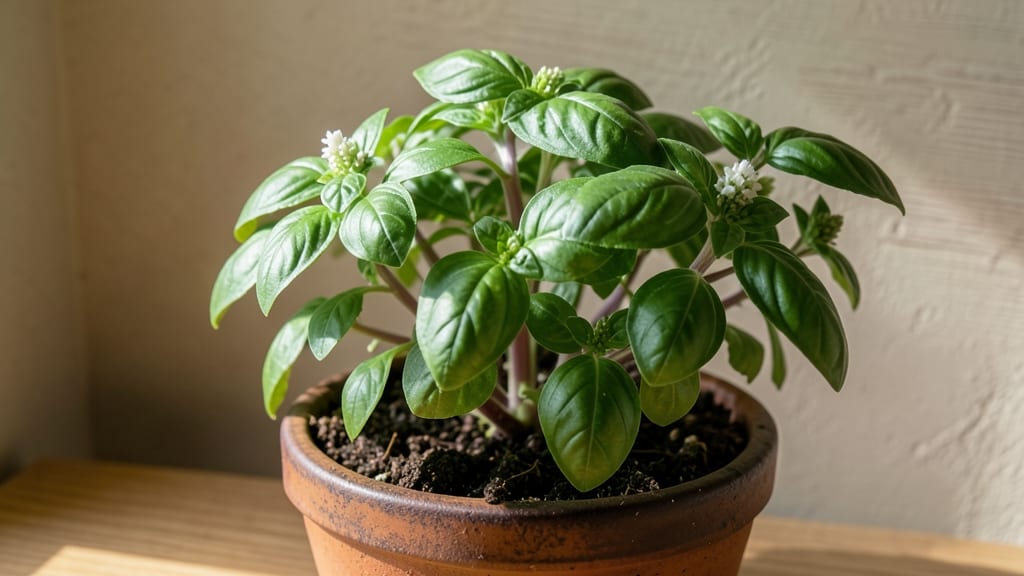
Growing basil at home indoors means fresh, fragrant leaves year-round—no grocery store wilt ever again. 🌱 I’ve turned my kitchen window into a basil powerhouse using just a south-facing spot and a few simple tricks that prevent those sad, leggy plants everyone warns about.
The secret isn’t fancy equipment—it’s matching your basil’s needs to your space. A bright window or a basic grow light, well-draining soil, and watering when the top inch feels dry keeps plants happy. Most people overwater, which is why their basil turns yellow and flops.
By pinching back the tips regularly, you’ll trigger bushier growth and a steady supply of leaves for pesto, sandwiches, or tea. The first harvest comes in just 4-6 weeks, and with proper care, one plant can last 6+ months—cutting your grocery bill and boosting flavor.
Even if your space is dim, this method works with adjustments. Let’s get your basil thriving indoors!
📚 In This Guide
- What you need
- Instructions
- Tips and common mistakes
- Wrapping up and next steps
What you need
- ● Basil seeds or seedlings: Start with Genovese, Thai, or Purple basil (3–5 seeds or 1–2 seedlings per pot).
- ● Containers: 1–2 6–8-inch diameter pots (with drainage holes) or a hanging planter (for compact varieties).
- ○ Optional: Self-watering planters for low-maintenance care.
- ● High-quality potting mix: 1–2 bags of well-draining, seed-starting mix (avoid garden soil—it compacts!).
- ● Grow lights or sunny windowsill: Grow lights: 1 full-spectrum LED bulb (10W–20W) on a timer (12–16 hrs/day).
- ● Natural light: A south-facing window with 6+ hours of direct sunlight.
- ● Watering can or spray bottle: With a narrow spout to avoid overwatering.
- ● Fertilizer: Balanced liquid fertilizer (5-5-5 or 10-10-10) or organic compost tea (diluted to half-strength).
- ○ Optional: Slow-release granules (follow package instructions).
- ● Pruning shears or clean scissors: For harvesting and shaping.
- ● Spray bottle (with water or neem oil): To deter pests like aphids.
- ● 🌡️ Temperature: Keep basil in 65–80°F (18–27°C)—avoid drafts or cold windowsills.
- ● ✨ Humidity: Place a tray of pebbles + water near the pot for extra moisture (great for dry climates!).
- ● 🔄 Rotation: Turn pots quarter-turn daily if using natural light to prevent lopsided growth.
Step-by-step instructions for growing basil at home indoors
Let’s turn your kitchen counter into a basil powerhouse—no greenhouse needed.
🌱 Step 1: Pick the Right Container and Soil
Start with a 6-inch pot (or larger) that has drainage holes—basil roots need air, not soggy soil. I like terracotta because it breathes, but any container works as long as it’s not plastic without drainage. Fill it with high-quality potting mix (never garden soil—it compacts and suffocates roots). Moisten the mix until it’s damp but not dripping, like a wrung-out sponge.
Here’s the thing—basil hates wet feet. If your pot lacks drainage, drill holes yourself. I’ve seen beginners skip this and end up with moldy roots. Trust me, it’s worth the two minutes.
☀️ Step 2: Place Your Plant in the Brightest Spot (And Hack the Sunlight)
Basil needs 6+ hours of sunlight daily, but most windows don’t deliver enough. Place your pot near the southernmost window first, then test the light: If leaves stretch tall and pale, you’re missing the mark. That’s your cue to add a grow light—a simple LED bulb on a timer works. Position it 4-6 inches above the plant for 12-14 hours/day.
Rotate the pot quarter-turn weekly so the plant grows straight, not lopsided. You’ll notice leaves darken and compact within days—that’s your signal the light is working.
💧 Step 3: Water Like a Pro (No More Wilting or Drowning)
Water when the top inch of soil feels dry—stick your finger in to check. Basil roots need moisture but hate soggy conditions. Pour water slowly until it drains from the bottom, then empty the saucer. Overwatering is the #1 killer, so I water mine every 2-3 days in summer, less in winter when growth slows.
If leaves yellow at the edges, you’re overdoing it. If they crisp up, you’re underwatering. Find that sweet spot, and your basil will reward you with glossy, flavorful leaves.
✂️ Step 4: Prune for Bushier Growth (And Never Lose Your Harvest)
Pinch off the top set of leaves when the plant reaches 6 inches tall. This shock might look brutal, but it forces the plant to branch out. You’ll see new shoots forming at the base within 1-2 weeks. Keep harvesting the top leaves regularly—this encourages more growth and prevents legginess.
Don’t skip pruning! I’ve seen basil bolt (flower) from neglect, and that turns leaves bitter. Snip flowers as soon as they appear to keep the focus on leaf production.
🌿 Step 5: Feed and Repeat for Year-Round Basil
Every 4-6 weeks, give your basil a balanced liquid fertilizer (half-strength). I use fish emulsion—it’s gentle and packed with nutrients. Dilute it first; basil doesn’t need heavy feeding. Water thoroughly after fertilizing to avoid root burn.
With this routine, your basil will thrive indoors for months. Just watch for pests (like aphids) and wipe leaves with soapy water if needed. Happy growing!
Tips & tricks for growing basil indoors
Here's what nobody tells you about keeping your basil thriving—these tricks make all the difference between sad, leggy plants and a kitchen garden that actually works.
Container Upgrade: While a 6-inch pot works, I've found that adding a layer of gravel or pebbles at the bottom creates extra drainage space and prevents root rot. This is especially helpful if you're using a decorative pot without built-in drainage—just make sure the holes are still there at the bottom.
Lighting Hack: For the 12-14 hours of grow light time, I use a simple LED bulb on a timer set to turn on at 7 AM and off at 7 PM. Position it 4-6 inches above the plant and adjust the height as the plant grows. I've seen basil grow 3 inches taller in just 2 weeks with this consistent light schedule—it's like a growth spurt!
Watering Wisdom: The finger test for the top inch of soil is perfect, but here's the secret: water at the base of the plant rather than overhead. This prevents water from sitting on the leaves, which can lead to fungal issues. I also use room-temperature water—cold water can shock the roots and stunt growth.
Pruning Pro Tip: When you pinch off the top set of leaves at 6 inches, don't throw them away! Use them immediately in cooking or store them in a damp paper towel in the fridge for up to 3 days. This keeps your basil productive while giving you fresh flavor. And remember—regular pruning keeps your plant bushy and prevents it from flowering too soon.
Pro Tips for Growing Basil At Home Indoors
- Here's what nobody tells you about keeping your basil thriving—these tricks make all the difference between sad, leggy plants and a kitchen garden that actually works.
- Container Upgrade: While a 6-inch pot works, I've found that adding a layer of gravel or pebbles at the bottom creates extra drainage space and prevents root rot.
- Lighting Hack: For the 12-14 hours of grow light time, I use a simple LED bulb on a timer set to turn on at 7 AM and off at 7 PM.
Frequently asked questions
Got questions about growing basil indoors?
You’re not alone! Here are answers to the most common concerns—so you can grow lush, flavorful basil like a pro.
How much light does basil really need indoors?
Basil thrives on 6–8 hours of bright, direct light daily. If your home lacks natural sunlight, supplement with a grow light (LED or fluorescent) 12–16 inches above the plant. South-facing windows are ideal, but east or west works too—just rotate the pot weekly for even growth.
How often should I water indoor basil?
Check soil moisture daily: Stick your finger 1 inch deep—if it’s dry, water thoroughly until it drains from the bottom. Avoid soggy soil (root rot risk!), but don’t let it dry out completely. Pro tip: Use room-temperature water and a pot with drainage holes to prevent overwatering.
Why is my basil turning yellow or wilty?
Yellow leaves often signal overwatering or poor drainage. Wilting usually means underwatering or root stress (e.g., cold drafts or compacted soil). Check these first:
- Adjust watering frequency (let topsoil dry slightly between waterings).
- Ensure the pot has drainage and use well-draining potting mix.
- Move the plant away from AC vents or heaters.
Can I grow basil from store-bought stems?
Snip a 4–6 inch stem with at least 2–3 leaves, remove lower leaves, and place it in a jar of water. Change the water every 2–3 days. Once roots (1–2 inches) form, transplant to soil. Bonus: This method works for any herb—like mint or parsley!
How do I keep basil productive for cooking?
Prune regularly to encourage bushiness: Pinch off the top set of leaves when the plant is 6 inches tall, and harvest outer leaves (never more than ⅓ of the plant at once). For continuous harvests, fertilize lightly every 4–6 weeks with a balanced liquid fertilizer (diluted to half-strength).
Wrapping up and next steps
Growing basil indoors isn’t just possible—it’s rewarding! With the right container, sunlight hack, and a little care, you’ll enjoy fresh, fragrant leaves year-round, perfect for pesto, salads, or garnishes. 🌿 Start small, stay consistent, and soon you’ll be harvesting like a pro.
Ready to take the next step? Pick a sunny spot, grab your seeds or seedlings, and begin your indoor basil journey today! Your kitchen—and taste buds—will thank you.