
Planting
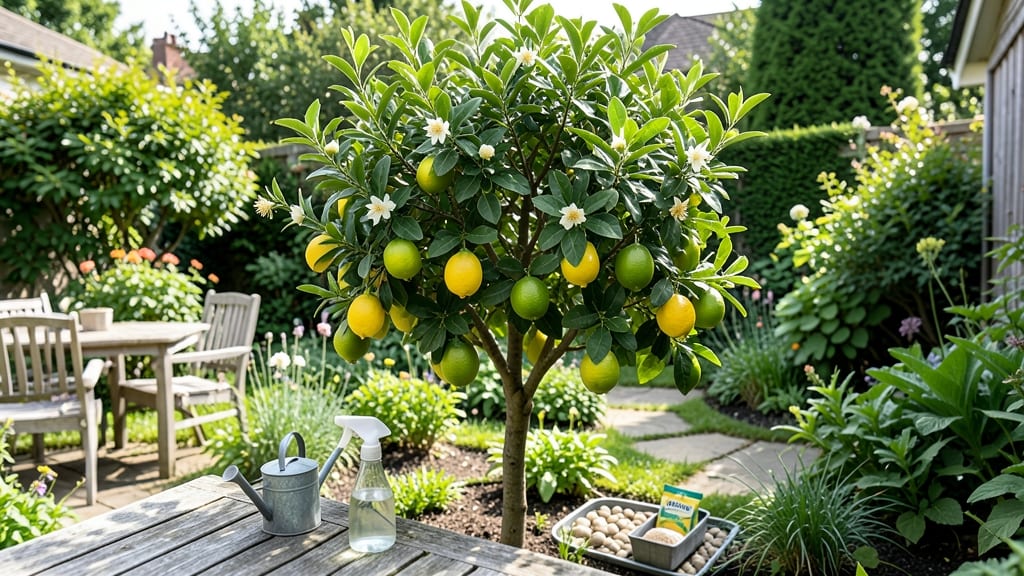
Lemon plant indoor care thrives when you mimic their Mediterranean sun habits—bright light is non-negotiable. 🌿 My first lemon tree withered after months in a dim corner, but once I moved it to a south-facing window with 6+ hours of direct sun, it burst into life with glossy leaves and fragrant white blooms. The key isn't just light, though—it's understanding how your home's light compares to a sunny patio.
Start with a 6-inch pot filled with well-draining cactus/succulent mix (or regular potting soil with perlite). Water only when the top inch feels dry—overwatering is the #1 killer of indoor citrus. I use a moisture meter now, but even a finger test works.
Pair that with 60-70°F temperatures and 50%+ humidity (a pebble tray or humidifier helps), and you've got the perfect microclimate for year-round growth.
By late winter, your plant will reward you with tiny white flowers that eventually turn into lemons—though fruit takes patience (often 1-2 years). The real magic happens when you prune leggy stems in spring to encourage bushier growth.
Just avoid cutting into old wood, or you'll stunt future blooms. A light fertilizer (like 10-10-10) every 2 months keeps it productive without burning the roots.
Watch for spider mites on dry air days—wipe leaves with neem oil if you spot webbing. And here's the secret I learned the hard way: rotate the pot weekly so all sides get even light.
Your lemon plant will thank you with fragrant blooms, glossy leaves, and maybe even a harvest—all while brightening your kitchen with citrusy perfume.
📚 In This Guide
- What you need
- Instructions
- Tips and common mistakes
- Wrapping up and next steps
What you need
- ● Lemon plant (Citrus × limon): Choose a healthy, potted lemon tree (dwarf varieties like Meyer lemon are ideal for indoor care).
- ● Well-draining pot: 12–18 inches in diameter (with drainage holes) to accommodate root growth. Terracotta or ceramic pots work best.
- ● High-quality potting mix: 1 bag (5–10 quarts) of a well-draining, slightly acidic mix (pH 6.0–7.0). Look for blends labeled for citrus or Mediterranean plants.
- ○ Grow lights (optional but helpful): 1–2 full-spectrum LED grow lights (10,000–20,000 lumens) for supplementing natural light.
- ● Adjustable light stand or hooks to position lights 12–24 inches above the plant.
- ● Watering can: 1 with a narrow spout for precise watering (avoid overhead pouring).
- ○ Humidity tray or pebble tray: 1 (optional but recommended for dry climates). Fill with pebbles and water to create a humid microclimate.
- ● Fertilizer: 1 bottle of balanced citrus fertilizer (e.g., 6-6-6 or 10-10-10 NPK ratio).
- ● OR a slow-release granular fertilizer for convenience.
- ● Pruning shears: Small, sharp pair for trimming dead leaves or overgrowth.
- ● Spray bottle: For misting leaves (especially in low-humidity environments).
- ● Citrus-specific soil amendments: Perlite or sand (1–2 cups) to improve drainage.
- ● Plant support stake: If your lemon tree grows tall, use a lightweight bamboo stake for stability.
- ● Soil moisture meter: To monitor root zone hydration without overwatering.
- ● Decorative pot or cache pot: For a stylish outer layer (ensure the inner pot still has drainage holes!).
- ● Air purifier or dehumidifier: If your home has very dry or humid air.
Step-by-step indoor care for your lemon tree
Here’s how I keep my lemon tree thriving indoors—with the right light, water, and care.
🌱 Step 1: Choose the Perfect Spot for Sunlight
Lemon trees need 6-8 hours of bright, direct sunlight daily. Place yours near a south-facing window or under a grow light if natural light is insufficient. I rotate my tree quarter-turn weekly so all sides get even exposure—uneven growth is a dead giveaway for poor light distribution.
If your tree starts stretching toward the light with long, pale stems, it’s begging for more brightness. Move it closer to the window or supplement with a full-spectrum LED grow light kept 6-12 inches away. Watch for bright green, glossy leaves—that’s your sign the light is just right.
💧 Step 2: Water Deeply but Infrequently
Let the top 2-3 inches of soil dry out between waterings. Stick your finger in the soil—if it feels dry past your first knuckle, it’s time to water. I use room-temperature water to avoid shocking the roots, and I water until it drains freely from the bottom.
Overwatering is the #1 killer of indoor lemon trees. Yellowing leaves or mushy stems? You’re watering too much. Let the soil dry out completely between drinks, and always use a pot with drainage holes. A saucer under the pot catches excess water, but I empty it after 10 minutes to prevent root rot.
☀️ Step 3: Boost Humidity and Fertilize Seasonally
Lemon trees love 50-60% humidity, but indoor air is usually drier. I place the pot on a pebble tray filled with water or use a humidifier nearby. Mist the leaves occasionally, but avoid wetting the foliage too often—fungus gnats love damp leaves.
Feed your tree every 4-6 weeks in spring and summer with a balanced citrus fertilizer (like 6-6-6 or 8-8-8). Reduce feeding in fall and winter—too much fertilizer then leads to weak growth. I always water the tree first to prevent fertilizer burn, then apply a diluted dose (half-strength) for the first feeding after repotting.
✂️ Step 4: Prune for Shape and Encourage Blooms
Prune in late winter or early spring to shape the tree and encourage new growth. Cut back leggy branches by one-third to promote bushier growth. Always snip just above a leaf node—never leave a stub. I sterilize my pruners with rubbing alcohol to prevent disease spread.
To encourage blooms, reduce water slightly in late summer and move the tree to a cooler spot (55-65°F at night). This mimics the tree’s natural dormancy period. Remove any suckers (shoots growing from the base) immediately—they drain energy from fruit production.
🪴 Step 5: Repot Every 2-3 Years for Fresh Soil
Repot in early spring before new growth begins. Choose a pot 2-3 inches wider than the current one—too big too soon causes root rot. I use a well-draining citrus potting mix with perlite or sand for aeration. Tap the root ball gently to loosen compacted soil before transferring.
After repotting, hold off on fertilizing for 4-6 weeks while the roots adjust. Place the tree in bright, indirect light for the first week to reduce stress. If you see new leaves emerging within 3-4 weeks, the transition was successful. Yellowing leaves? You likely overwatered or used poor-quality soil.
Tips & tricks for perfect lemon tree indoor care
These simple adjustments will help your lemon tree thrive indoors and reward you with fragrant blooms all year.
Lighting Strategy: If your south-facing window doesn't provide enough light, consider rotating your tree quarter-turn weekly to ensure even growth. I've found that supplementing with a full-spectrum LED grow light for 12-14 hours daily (positioned 6-12 inches away) makes all the difference during winter months when natural light is scarce. Watch for those bright green, glossy leaves—they're your tree's way of saying "thank you" for the perfect light!
Watering Wisdom: The top 2-3 inches of soil should feel completely dry before watering again. I've learned the hard way that overwatering leads to root rot—always check by sticking your finger in the soil. If it feels dry past your first knuckle, that's your cue. Pro tip: Use room-temperature water to avoid shocking the roots, and make sure your pot has drainage holes. After watering, empty any excess water from the saucer after 10 minutes to prevent soggy roots.
Humidity Hack: Lemon trees love 50-60% humidity, but indoor air is usually much drier. I place my pot on a pebble tray filled with water and add a few ice cubes for extra moisture. For a more dramatic effect, group your lemon tree with other houseplants to create a mini humid microclimate. Just avoid wetting the leaves directly—fungus gnats will take advantage of damp foliage!
Fertilizing Timing: The 4-6 week feeding schedule during spring and summer is perfect, but I've found that applying a half-strength dose for the first feeding after repotting prevents fertilizer burn. Always water your tree first to help distribute nutrients evenly through the soil. In fall and winter, reduce feeding to every 8-12 weeks—your tree will thank you with fewer weak growth spurts and more energy for blooming.
Pro Tips for Lemon Plant Indoor Care
- These simple adjustments will help your lemon tree thrive indoors and reward you with fragrant blooms all year.
- Lighting Strategy: If your south-facing window doesn't provide enough light, consider rotating your tree quarter-turn weekly to ensure even growth.
- Watering Wisdom: The top 2-3 inches of soil should feel completely dry before watering again.
Frequently asked questions
Got questions about keeping your lemon plant thriving indoors?
Here are answers to the most common concerns—from sunlight struggles to troubleshooting—so you can enjoy luscious leaves and fragrant blooms all year!
How much sunlight does an indoor lemon plant really need?
Indoor lemon plants thrive with 6–8 hours of bright, indirect sunlight daily. Place them near a south- or west-facing window, or use a grow light (12–16 hours/day) if natural light is limited. Avoid harsh direct sun—it can scorch leaves!
Why are my lemon plant’s leaves turning yellow?
Yellow leaves usually signal overwatering or nutrient deficiency. Check soil moisture—it should dry 1–2 inches deep between waterings. Also, ensure your plant gets enough zinc and iron (use a citrus fertilizer every 4–6 weeks). Pro tip: Yellowing on older leaves? It’s normal aging. New leaves turning yellow? Act fast!
Can I keep a lemon plant indoors during winter?
Yes! Lemon plants tolerate indoor winter conditions but may need extra care. Keep temps above 50°F (10°C), reduce watering (soil stays drier), and boost humidity with a pebble tray or humidifier. Low light? Supplement with a full-spectrum LED grow light to prevent leggy growth.
Will my indoor lemon plant ever produce fruit?
It’s possible—but rare indoors! Lemon plants need cross-pollination (hand-pollinate with a brush) and consistent care (light, water, fertilizer). Even if it flowers, fruiting demands more energy than most indoor setups provide. Focus on healthy growth first—fruit is a bonus!
What’s the easiest alternative to a lemon plant for indoors?
If lemon plants seem too finicky, try these low-maintenance citrus alternatives:
- Meyer lemon: Hardier, sweeter, and more forgiving than true lemons.
- Calamondin orange: Compact, fragrant, and thrives in shade.
- Dwarf orange (Satsuma): Cold-tolerant and productive.
Wrapping up and next steps
Growing a fragrant lemon plant indoors is totally within reach—just follow the sunlight secrets and care tips we’ve shared! With the right balance of light, water, and love, your citrus tree can thrive year-round, filling your home with a zesty aroma and fresh lemons. 🌿✨
Ready to take the next step? Start small—pick a sunny spot, pot your plant, and watch it grow! Need more inspiration? Browse our indoor gardening guides or share your progress with fellow plant lovers online. Happy growing!