
Container Gardens
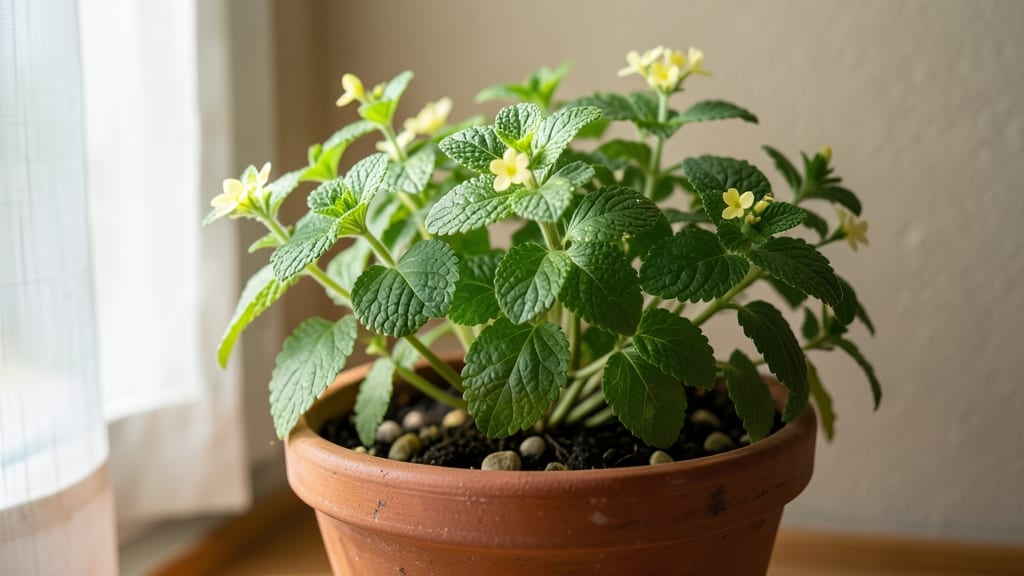
Growing lemon balm indoors lets you enjoy its bright citrus scent and versatile uses without needing a sunny yard. 🌿 I’ve grown lemon balm in my dim apartment for years—it thrives in spots where basil would wilt, and the fragrance alone makes it worth the effort.
The secret is matching its love of moisture and shade with the right container and care routine.
You’ll need a 6-inch pot with drainage holes, well-draining potting mix, and a spot with 4-6 hours of indirect light daily. Lemon balm spreads aggressively, so prune it back by one-third every few weeks to keep it compact and encourage bushier growth.
Overwatering is the biggest mistake—let the top inch of soil dry out between waterings, and you’ll avoid root rot.
Once established, your lemon balm will reward you with lush, dark-green leaves that stay fragrant even when dried. Snip fresh sprigs for tea, salads, or homemade remedies—it’s a natural stress reliever and digestive aid.
The best part? It grows back faster than you can harvest, making it one of the most foolproof indoor herbs.
If pests like spider mites appear, wipe leaves with a damp cloth or spray with neem oil. And don’t worry if it outgrows its pot—just divide the plant in spring and share it with friends. With minimal effort, you’ll have a year-round supply of this cheerful, useful herb.
📚 In This Guide
- What you need
- Instructions
- Tips and common mistakes
- Wrapping up and next steps
What you need
- ● Lemon balm plant: 1 healthy nursery-grown plant (check for organic options if preferred).
- ● Container: 1 pot (10–12 inches in diameter) with drainage holes. Pro tip: Terracotta or ceramic pots help regulate moisture!
- ● Potting mix: 2–3 gallons of well-draining, organic potting soil (avoid garden soil—it compacts too much!).
- ● Drainage layer: 1–2 inches of perlite, gravel, or small pebbles (for the pot’s base).
- ● Watering can or spray bottle: 1 with a gentle nozzle (lemon balm hates soggy roots!).
- ● Fertilizer: 1 balanced liquid fertilizer (e.g., 10-10-10) or organic compost tea.
- ● Pruning shears: 1 pair (for trimming leggy stems).
- ● Grow lights: 1–2 LED full-spectrum bulbs (if natural light is <6 hours/day).
- ● Humidity tray: 1 shallow tray + pebbles (to boost moisture in dry air).
- ● Support stake: 1 bamboo stake (if your variety grows tall).
- ● Tea infuser or food processor: 1 (for harvesting and enjoying your herb!).
Step-by-step instructions for growing lemon balm indoors
Here's how to cultivate this sun-loving herb indoors with just a few simple supplies.
🌱 Step 1: Choose the Right Container and Soil
Lemon balm thrives in well-draining soil, so grab a 6-8 inch pot with drainage holes. I like terracotta pots because they wick away excess moisture—this herb hates soggy roots. Fill the bottom with 1-2 inches of gravel or perlite to improve drainage.
Use a high-quality potting mix with added compost or worm castings. Lemon balm grows aggressively, so a 5-gallon container will keep it contained for months. Press the soil down lightly after filling—just firm enough to remove air pockets but not compacted like clay.
🌿 Step 2: Plant Your Lemon Balm Cutting or Seedling
If starting from a cutting, dip the stem in rooting hormone (optional but helpful) and plant it 2-3 inches deep in the soil. For seedlings, place them at the same depth they were growing in their original container. Water immediately after planting to settle the soil around the roots.
Here's the thing—lemon balm spreads quickly, so don't crowd it. A single plant in a 6-inch pot will fill the space within weeks. If using multiple cuttings, space them 6-8 inches apart in a larger container. You'll see new growth within 1-2 weeks if conditions are right.
☀️ Step 3: Position for Light and Water Regularly
Place your lemon balm near a south- or west-facing window where it gets at least 4-6 hours of sunlight daily. If natural light is limited, supplement with a grow light kept 6-12 inches above the plant for 12-14 hours per day. You'll know it's getting enough light when the leaves stay bright green and don't stretch toward the window.
Water when the top inch of soil feels dry—usually every 5-7 days, but adjust based on your home's humidity. Lemon balm loves moisture but won't tolerate standing water. Let excess water drain completely from the pot to prevent root rot.
✂️ Step 4: Prune and Harvest for Bushier Growth
Pinch back the tips of new growth when the plant reaches 6 inches tall to encourage bushier, fuller growth. This is the moment that matters: regular pruning keeps lemon balm compact and prevents it from becoming leggy. Use clean scissors or pruners to snip just above a leaf node.
Harvest leaves as needed by cutting stems just above a pair of leaves. You'll love how it regrows quickly—lemon balm is one of the most resilient herbs. Avoid harvesting more than one-third of the plant at a time to keep it thriving. Fresh leaves have the strongest flavor, but you can also dry or freeze them for later use.
🪴 Step 5: Fertilize and Repot as Needed
Feed your lemon balm every 4-6 weeks during the growing season with a balanced liquid fertilizer diluted to half strength. Over-fertilizing leads to weak growth and fewer leaves. I use a fish emulsion or compost tea for a gentle boost—this herb doesn't need heavy feeding.
Repot every 1-2 years or when roots start circling the pot. Choose a container only 2 inches larger in diameter to avoid overwhelming the plant. Spring is the best time to repot, giving it time to establish before summer growth. You'll know it's time when roots grow out of the drainage holes or the plant looks cramped.
Tips & tricks for perfect indoor lemon balm
Here's what nobody tells you about keeping this herb thriving indoors—these little details make all the difference.
Container Selection: Terracotta pots are ideal because they breathe, but any container with drainage holes works. If using plastic, add extra perlite to the soil mix—plastic traps moisture, and lemon balm roots rot faster than you'd think. I've seen people use old coffee mugs with holes poked in the bottom, and they work surprisingly well!
Lighting Strategy: That 4-6 hours of sunlight is non-negotiable, but here's the trick: rotate your pot every few days so all sides get even light exposure. You'll notice leaves on one side stretching toward the window while others stay compact. A simple 180-degree rotation every 3 days keeps growth balanced.
Pruning Technique: When you pinch back those tips at 6 inches, don't just snip randomly—look for the top set of leaves and cut just above them. This encourages branching from lower nodes, giving you a bushier plant. I learned this the hard way after ending up with a single leggy stem!
Harvesting Wisdom: The "one-third rule" is crucial—harvesting more stresses the plant and can stunt growth. Plus, fresh leaves have the strongest lemony flavor. If you're drying leaves, harvest on a sunny morning when essential oils are most concentrated. Spread leaves on a screen in indirect sunlight for 1-2 weeks.
Pro Tips for Lemon Balm Indoors
- Here's what nobody tells you about keeping this herb thriving indoors—these little details make all the difference.
- Container Selection: Terracotta pots are ideal because they breathe, but any container with drainage holes works. If ...
- Lighting Strategy: That 4-6 hours of sunlight is non-negotiable, but here's the trick: rotate your pot every few days...
Frequently asked questions
Got questions about growing lemon balm indoors? You’re not alone—this fragrant herb has a few quirks! Here are the answers to the most common queries to help you succeed.
How much sunlight does lemon balm need indoors?
Lemon balm thrives in bright, indirect light (4–6 hours daily). A south- or east-facing window works best, but grow lights (12–14 hours/day) are a great backup if natural light is limited. Watch for: leggy stems (too little light) or crispy leaves (too much direct sun).
How fast does lemon balm grow indoors?
With proper care, lemon balm grows quickly—expect 2–4 inches per week in ideal conditions (bright light, moist soil, and warm temps). Pinch back leggy growth to encourage bushiness. Pro tip: Harvest leaves in 6–8 weeks for a robust plant!
Why is my indoor lemon balm turning yellow?
Yellowing leaves usually signal overwatering or nutrient deficiency. Let the top inch of soil dry out between waterings, and avoid soggy pots. For a quick fix, fertilize with a balanced liquid fertilizer (diluted to half-strength) every 4–6 weeks. Check for: pests like spider mites, which also stress plants.
Can I grow lemon balm indoors without a window?
Yes! Use a full-spectrum LED grow light (12–16 inches above the plant) for 12–14 hours/day. LED bulbs (like Samsung LM301B) are energy-efficient and mimic sunlight. Rotate the plant weekly for even growth. Alternative: Try a sunroom or greenhouse if you have space!
How do I keep lemon balm from spreading too much indoors?
Lemon balm is invasive—contain it with regular pruning and container limits. Use a 10–12 inch pot with drainage holes, and trim back stems by ⅓ after harvest. For extra control, root prune by trimming roots when repotting. Warning: Avoid planting outdoors unless you want it to take over!
What’s the best temperature for indoor lemon balm?
Lemon balm prefers 60–75°F (15–24°C). Keep it away from drafts (AC vents, heaters) and cold windows. If temps drop below 50°F (10°C), growth slows. Hot tip: Mist leaves occasionally in dry climates to mimic humidity!
Wrapping up and next steps
Growing lemon balm indoors is a rewarding way to enjoy its soothing aroma and versatile uses—no sunny windowsill required!
With just a few simple steps and minimal sunlight, you can cultivate this fragrant herb year-round, perfect for teas, remedies, or culinary adventures. Start small, stay consistent with care, and soon you’ll have a thriving plant that brightens your space and senses.
Ready to dive in? Pick your pot, grab some lemon balm, and begin your indoor herb garden today! 🌱✨