
Succulent
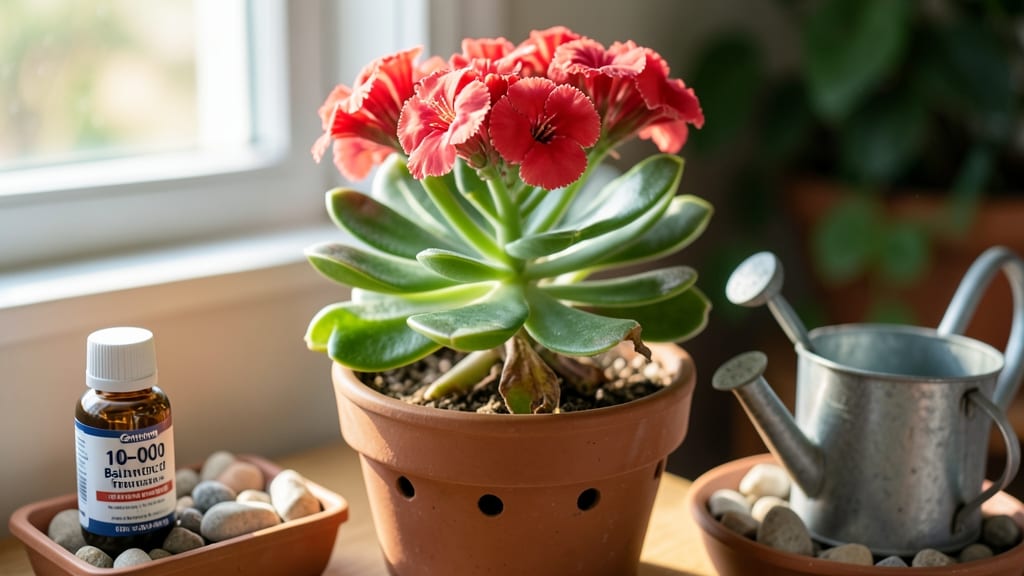
Indoor kalanchoe care isn’t about babying a plant—it’s about giving it the right conditions to thrive on its own terms. 🌿 These succulents reward patience with bold, long-lasting blooms that last for weeks, even in low-light spots where other plants struggle. The secret?
Mimicking their natural dry, sunny habitat with minimal fuss. Most people overwater and watch their kalanchoe turn into a sad, leggy mess. I’ve killed three myself before learning the trick: let the soil dry out completely between waterings, and you’ll avoid root rot and leaf drop.
Even in winter, when growth slows, the plant stores enough moisture to survive weeks without a drink. What you’ll end up with is a plant that blooms reliably year after year with vibrant colors—reds, pinks, oranges—without needing a greenhouse.
The foliage stays thick and glossy, and pests barely notice it. It’s the perfect plant for busy people who still want a pop of color indoors. Here’s the game-changer: Rotate your kalanchoe every few weeks to keep it growing evenly, and fertilize lightly just once in spring.
That’s it—no complicated routines, just smart care. Let’s get yours looking its best.
📚 In This Guide
- What you need
- Instructions
- Tips and common mistakes
- Wrapping up and next steps
What you need
- ● Kalanchoe plant: Choose a healthy specimen (varies by species—common types include Kalanchoe blossfeldiana or Kalanchoe daigremontiana).
- ● Well-draining pot: 1-2 inches larger in diameter than the plant’s root ball. Use terracotta or ceramic with drainage holes (e.g., 6-8" pot for mature plants).
- ● Cactus/succulent soil mix: 1 bag (1-2 cubic feet). Avoid regular potting soil—opt for gritty blends with perlite, sand, or pumice (e.g., Miracle-Gro Cactus Soil).
- ● Drainage layer: Small pebbles, perlite, or pumice (1-2 cups) for the pot’s base.
- ● Watering can with a narrow spout: 1 (to avoid overwatering).
- ● Bright, indirect light source: South- or east-facing window, or a grow light (12-14 hours/day for blooming varieties).
- ○ Humidity tray (optional but helpful): A shallow tray with pebbles and water (to mimic natural conditions for tropical varieties like Kalanchoe tomentosa).
- ● Fertilizer: Balanced liquid fertilizer (5-10-5 or 20-20-20, diluted to half-strength). Use sparingly—2-3 times during growing season.
- ● Plant food (for blooms): Phosphorus-rich fertilizer (e.g., Bloom Booster) for flowering types.
- ● Decorative stones or moss: For aesthetic pots or to cover soil edges.
- ● Plant labels: To track varieties and care notes (because even succulents love a little organization!).
- ● Pruning shears: Small, sharp pair for trimming leggy stems or dead leaves.
Step-by-Step instructions for kalanchoe plant care indoors
Here’s how I keep my kalanchoes blooming for months—no fancy equipment needed.
💧 Step 1: Water Sparingly After Blooms Fade
Kalanchoes store water in their thick leaves, so they hate soggy soil. After flowers drop, let the top 2-3 inches of soil dry completely before watering again. I use my finger to check—if it feels dry, it’s time. Too much water causes root rot, and you’ll see yellowing leaves or mushy stems as warning signs.
Water deeply but infrequently—just enough to moisten the soil through the pot’s drainage holes. Avoid getting leaves wet, as moisture invites fungal issues. I water from the bottom by placing the pot in a saucer of water for 10-15 minutes, then letting it drain completely. This method prevents overwatering while ensuring roots get hydration.
☀️ Step 2: Provide Bright, Indirect Light
Kalanchoes tolerate low light better than most succulents, but they still need bright, indirect light for vibrant blooms. Place yours near an east-facing window or under a grow light for 6-8 hours daily. If leaves stretch toward the light or turn pale, it’s a sign they’re reaching for more brightness.
Direct midday sun can scorch leaves, so I keep mine 3-4 feet from a south-facing window during summer. In winter, supplement with a 12-hour photoperiod using a grow light if natural light is scarce. Watch for red or purple tones on leaves—this means they’re getting too much sun and need to be moved back.
✂️ Step 3: Prune to Encourage Bushier Growth
Pinching back leggy stems right above a leaf node encourages branching and more blooms. Use clean, sharp scissors to snip just above the third or fourth leaf from the top. This is the moment that matters: doing it right now prevents woody, sparse growth later.
After pruning, let the cuttings dry for 1-2 days before replanting in fresh soil if you want to propagate. I usually toss the cuttings unless I’m expanding my collection. The plant will focus energy on new growth rather than just vertical stretching. You’ll see fresh, compact growth within 2-3 weeks if the light and watering are right.
🌱 Step 4: Feed Lightly During Active Growth
Use a balanced, water-soluble fertilizer (like 10-10-10) diluted to half-strength every 4-6 weeks during spring and summer. Over-fertilizing burns roots and causes salt buildup, which you’ll spot as white crust on the soil surface. I always rinse the soil after fertilizing to prevent buildup.
Stop fertilizing in fall and winter—this is their dormant period. Too much food now leads to leggy growth and fewer blooms next season. If you notice slow growth or pale leaves, cut back on fertilizer and focus on light instead. The goal is steady, not explosive, growth.
🪴 Step 5: Repot Only When Necessary
Kalanchoes resent being disturbed, so repot only when roots circle the pot or soil dries out too fast. Choose a container just 1-2 inches larger than the current one—bigger pots hold too much moisture and risk root rot. I use a terracotta pot for better airflow and drainage.
Refresh the top 1-2 inches of soil with fresh, well-draining cactus mix. Avoid repotting during blooming season—stress from transplanting can cause buds to drop. If you must repot, do it right after flowers fade. Watch for wilting in the days after repotting; this is normal as roots adjust to their new home.
Tips & tricks for perfect kalanchoe care indoors
Keeping your kalanchoe thriving indoors doesn't require a green thumb—just a few smart strategies to prevent common pitfalls. Here's what I've learned after years of growing these resilient plants.
Soil Check Matters: In Step 1, when checking soil moisture, press your finger about 2 inches deep—not just the surface. The top layer can stay damp while roots below are thirsty. I've seen many overwater when the top inch feels dry but the roots still need hydration. If the soil feels moist at 2 inches, wait another day.
Light Adjustments: For Step 2's 6-8 hours of light, rotate your plant every few days so all sides get even exposure. This prevents lopsided growth where stems lean toward the light source. If you notice leaves turning pale or stretching, it's a sign they're reaching for more light—time to move closer to the window or add a grow light.
Pruning Precision: When pinching back in Step 3, focus on stems with at least 3-4 leaves. Cutting too close to the base can damage the plant's growth points. I always use sterilized scissors to prevent infections, and I make clean cuts just above a leaf node—not in the middle of a leaf. This encourages bushier growth without stressing the plant.
Fertilizer Timing: In Step 4, the 4-6 week feeding schedule is key, but I've found that less is often more. If you notice white crust on the soil surface after fertilizing, it means salt buildup—rinse the soil immediately with room-temperature water. This prevents root burn and keeps your kalanchoe healthy during its active growing months.
Pro Tips for Kalanchoe Plant Care Indoors
- Keeping your kalanchoe thriving indoors doesn't require a green thumb—just a few smart strategies to prevent common pitfalls.
- Soil Check Matters: In Step 1, when checking soil moisture, press your finger about 2 inches deep—not just the surface.
- Light Adjustments: For Step 2's 6-8 hours of light, rotate your plant every few days so all sides get even exposure.
Frequently asked questions
about Kalanchoe care—because even the toughest succulents need a little TLC! Here are answers to the most common queries to keep your plant thriving indoors.How often should I water my Kalanchoe plant?
Water your Kalanchoe only when the top 1-2 inches of soil are completely dry—usually every 2-3 weeks. Overwatering is the #1 killer! Use well-draining soil and a pot with drainage holes to prevent root rot. Pro tip: Stick your finger in the soil to check moisture—if it’s damp, wait!
Can Kalanchoe survive in low light?
Yes! Kalanchoes are low-light tolerant but thrive best in bright, indirect light (like an east-facing window). In dim conditions, they may grow leggy or stop blooming. If that happens, rotate the pot occasionally for even light exposure. Bonus: A grow light can boost growth if natural light is scarce.
Why isn’t my Kalanchoe blooming?
Kalanchoes need 12-14 hours of darkness daily for 6+ weeks to trigger blooms (called "florigen induction"). Place it in a dark closet or cover it with a box at night. Avoid fertilizing during this period. Patience pays off!
What pests commonly attack Kalanchoe plants?
Watch for mealybugs, aphids, or spider mites—they love succulent sap! Wipe leaves with soapy water or spray with neem oil for mild infestations. Isolate the plant if pests spread. Prevent pests by keeping the plant dust-free and avoiding overwatering.
Can I propagate Kalanchoe from cuttings?
Snip a healthy leaf or stem, let it callus for 1-2 days, then place it on dry soil. Keep it in bright, indirect light and mist lightly until roots form (3-4 weeks). Fun fact: Leaves can even root in water before transplanting!
Wrapping up and next steps
Caring for a kalanchoe plant indoors is simpler than you think—just a little light, occasional water, and patience will reward you with vibrant blooms for months! 🌸 These hardy succulents thrive even in low-light spaces, making them perfect for busy plant parents.
Whether you’re a beginner or a seasoned gardener, your kalanchoe will flourish with the right balance of minimal effort and attention to detail.
Now that you’re armed with the secrets to long-lasting blooms, why not expand your indoor jungle? Try adding another low-maintenance succulent to your collection—your home (and plants!) will thank you. Happy growing! 🌱