
Companion Plants
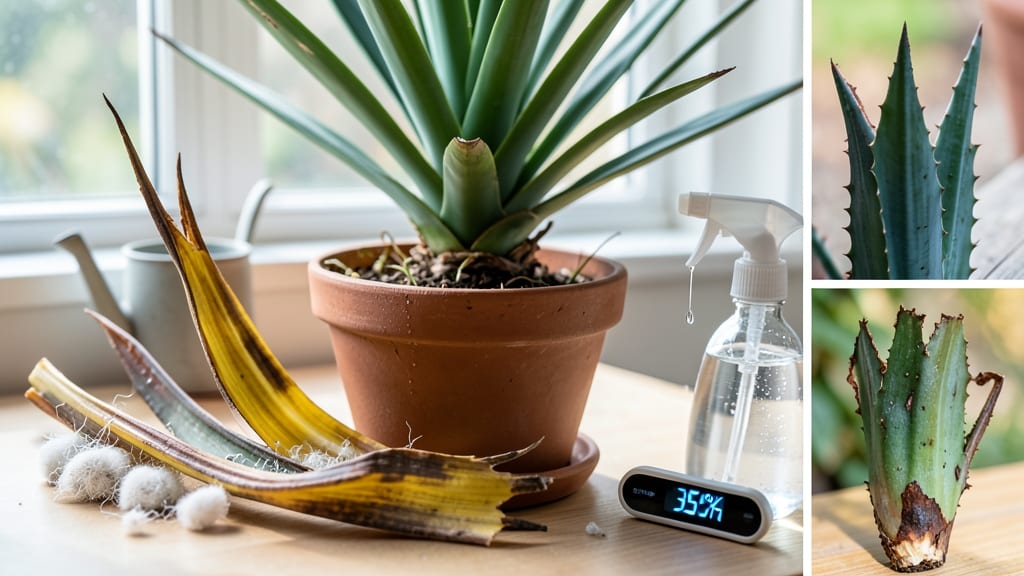
When your indoor yucca plant looks like a sad, drooping mess with problems, don't panic—this is fixable. 🌱 I've nursed back more than a few yuccas from the brink, and the key is understanding what your plant is really telling you.
Those limp leaves aren't a death sentence; they're a cry for help you can answer in just 48 hours.
Most yucca problems stem from two things: watering gone wrong or pests hiding in plain sight. Overwatering causes those dreaded yellow leaves, while underwatering makes leaves crispy at the edges. And don't overlook spider mites—they love dry indoor air and can turn your plant's back into a webbed disaster zone.
The good news? Each of these issues has a straightforward solution that gets your yucca perking up fast.
Start by checking the soil—if it's soggy, your yucca needs less water; if it's bone dry, it's thirsty. For pests, wipe down leaves with soapy water and isolate the plant until the critters are gone.
Within two days, you'll see those stiff, upright leaves returning, and your yucca will look like the architectural statement piece it should be.
Once you've revived it, keep those brown tips at bay with occasional misting and a pebble tray for humidity. Yuccas are tough cookies—they'll forgive mistakes if you catch them early. Now go give that plant some TLC; it's earned it.
Root Causes Of Yucca Struggles
Yucca plants are tough survivors, but even the hardiest can falter when their basic needs aren’t met. Understanding why your indoor yucca is acting up is the first step to bringing it back to life. Let’s break down the science behind the most common issues—so you can fix them fast.
Yuccas are succulents at heart, meaning they store water in their thick leaves and roots. When you overwater, you drown their natural drought-resistant mechanisms, leading to:
- Root rot: Too much moisture in the soil cuts off oxygen, causing beneficial microbes to die and harmful fungi (like Phytophthora) to thrive. Infected roots turn mushy, black, or smell foul—signs your plant is suffocating.
- Leaf drop: Overwatered yuccas often shed leaves because their energy shifts from growth to survival. Drooping or yellowing leaves follow as the plant prioritizes root recovery.
- Pests: Excess moisture attracts soft-bodied insects like mealybugs and scale, which thrive in damp conditions and further stress the plant.
Why it happens: Most people assume "more water = happier plant," but yuccas evolved in arid climates. Their roots need aeration, not saturation. Even well-draining soil can trap moisture if:
- Your pot lacks drainage holes (water pools at the bottom).
- You water on a schedule instead of checking soil moisture (stick your finger 2 inches deep—if it’s damp, wait).
- You use heavy or compacted soil (like garden soil) that doesn’t dry out between waterings.
Yuccas crave bright, indirect light—think south-facing windows or a grow light—but they’re sensitive to extremes. Here’s what happens when they’re out of balance:
- Leggy growth or pale leaves: In low light, yuccas stretch toward the nearest light source (etiolation), producing weak, elongated stems and pale, sparse foliage. This is their way of maximizing light absorption, but it weakens their structure.
- Brown, crispy tips: Direct, harsh sunlight (like a west-facing window in summer) causes photoxidative stress. The plant’s chlorophyll overworks to protect cells, leading to sunburn—visible as dry, papery edges or white/yellow patches.
- Slow growth or dormancy: Without enough light, yuccas conserve energy, which can mimic nutrient deficiencies (even though the soil might be fine).
Why it happens:
- Your home’s lighting is inconsistent (e.g., moving the plant frequently or placing it behind curtains).
- You assume "bright" means "direct sun"—yuccas prefer filtered light, like a sheer curtain or a few feet from a window.
- Seasonal changes (shorter winter days) reduce natural light, and artificial sources (like LEDs) often don’t provide the full spectrum yuccas need.
Yuccas are desert plants, so they despise humidity and sudden temperature swings. When conditions stray from their ideal range (60–80°F during the day, 50–60°F at night), they react with:
- Curling or puckering leaves: Low humidity (<40%) causes leaf edges to dry out and curl inward, a protective response to prevent water loss. High humidity (>60%) can trap moisture, promoting fungal issues like leaf spot.
- Yellowing between veins: Cold drafts (from AC vents, doors, or windows) damage cells, leading to chlorosis (yellowing) as the plant can’t process chlorophyll properly.
- Stunted growth: Temperatures below 50°F or above 90°F for extended periods shock the plant’s metabolic processes, halting growth until conditions stabilize.
Why it happens:
- Your home’s HVAC system creates dry air (common in winter) or blasts cold air directly onto the plant.
- You place the yucca near a heat source (like a radiator) or in a spot with temperature fluctuations (e.g., near a frequently opened door).
- Humidity spikes in summer (from showers or cooking) create a microclimate that’s too damp for the plant’s liking.
Yuccas are low-maintenance but still need nutrients—though not in the same way as leafy greens. Over- or under-fertilizing throws off their delicate balance:
- Brown leaf tips or edges: Excess salt from fertilizers (especially synthetic ones) builds up in the soil, burning root tips and preventing water uptake. This causes margins to crisp, even if the soil is moist.
- Pale, weak new growth: Nutrient deficiencies (like nitrogen or magnesium) lead to chlorotic (yellow) spots or stunted leaves. Over time, the plant can’t produce chlorophyll efficiently.
- Root burn: High concentrations of fertilizer (especially phosphorus or potassium) disrupt the soil’s pH, making it toxic to roots. This manifests as wilting despite wet soil.
Why it happens:
- You fertilize too frequently (yuccas only need feeding every 4–6 months in spring/summer).
- You use a high-nitrogen fertilizer (like lawn food) designed for fast growth, which yuccas don’t need.
- Your tap water has high mineral content (like calcium or chlorine), which accumulates in the soil over time.
Stressed yuccas attract pests, which then cause more stress in a vicious cycle. Common culprits include:
- Mealybugs: These cottony pests suck sap from leaves and stems, causing wilting, sticky residue ("honeydew"), and sooty mold (a black fungal growth). They thrive in dry, warm conditions—perfect for indoor yuccas.
- Scale insects: Armored or soft-bodied scale attach to stems and leaves, draining nutrients and leaving behind a waxy shell. Infested plants often show stunted growth and yellowing.
- Spider mites: Tiny but destructive, these arachnids spin webs on the undersides of leaves and cause stippling (tiny white/yellow dots) as they feed. They flourish in dry conditions.
Why it happens:
- Your plant is already stressed (from overwatering, poor light, or temperature swings), making it easier for pests to latch on.
- You brought an infested plant home (pests often hitchhike on new purchases) or didn’t quarantine it for a week.
- Your home lacks natural predators (like ladybugs) to keep pest populations in check.
Pro tip: 🔍 Inspect your yucca’s undersides and joints regularly—pests often hide there before spreading. A damp cloth or neem oil spray can disrupt their life cycle early.
How to Revive Your Yucca Plant
Your indoor yucca plant may be sending out distress signals—drooping leaves, yellowing tips, or even brown patches—but don’t panic! With the right care, you can nurse it back to health and keep it thriving for years.
Below, we break down the most common issues and provide practical, step-by-step solutions to get your yucca plant back on track. Plus, we’ll share pro tips to prevent future problems so you can enjoy a lush, happy houseplant.
Yuccas are drought-tolerant, so their leaves often tell a tale of too much (or too little) water. Here’s how to fix it:
🔥 If the Tips Are Crispy and Brown (Underwatering)
Your yucca might be thirsty—but not in the way you think. Brown, dry tips usually mean the air is too dry, not the soil.
- 🍳 Step 1: Increase Humidity Place a tray of pebbles and water near the plant (but not touching the pot) to add moisture to the air. Misting the leaves lightly can also help—just avoid soggy soil.
- 👨🍳 Step 2: Water Deeply but Less Often Stick your finger 2 inches into the soil. If it’s dry, water thoroughly until it drains from the bottom. Let the top inch dry out before watering again.
- 🌡️ Step 3: Trim the Damage Snip off the brown tips with clean scissors. This encourages new growth and keeps the plant looking fresh.
💡 Pro Tip:
Yuccas hate soggy roots! If you’re unsure whether to water, wait one more day. Overwatering is the #1 killer of indoor yuccas.
🍎 Yellowing Leaves: Too Much Water or Poor Drainage
Yellow leaves can mean your yucca is drowning. Here’s how to rescue it:
- 🔪 Step 1: Check the Roots Gently remove the plant from its pot and inspect the roots. Healthy roots are firm and white; mushy or black roots need attention.
- ⏰ Step 2: Repot if Necessary If the roots are rotting, trim away the bad ones with sterilized scissors, then repot in fresh, well-draining soil (like a cactus or succulent mix).
- 🌱 Step 3: Adjust Your Watering Routine Yuccas prefer to dry out between waterings. Aim for watering every 2–3 weeks in winter and weekly in summer (adjust based on humidity and light).
A drooping yucca is often a sign of underwatering, but it could also mean it’s not getting enough light.
💡 Quick Fix: The "Soak and Hold" Method
- 🍳 Step 1: Soak the Soil Place the pot in a sink and run water through the soil until it drains completely. This rehydrates the roots fast.
- 👨🍳 Step 2: Give It a Bright Spot Move your yucca to a location with bright, indirect light (a south- or west-facing window is ideal). If it’s too dark, supplement with a grow light.
- ⏰ Step 3: Wait and Watch Most yuccas perk up within 24–48 hours. If not, check for pests (like spider mites) or root rot.
Tiny invaders can suck the life out of your yucca. Here’s how to evict them:
🔥 For Spider Mites (Webbing on Leaves)
- 🍳 Step 1: Wipe Down Leaves Spray the plant with a mix of 1 tsp dish soap + 1 quart water. Let it sit for 10 minutes, then rinse.
- 👨🍳 Step 2: Increase Humidity Spider mites love dry air. Use a humidifier or place the plant on a pebble tray.
💡 For Mealybugs or Scale (Cottony or Bumpy Spots)
- 🔪 Step 1: Scrape Them Off Use a cotton swab dipped in rubbing alcohol to wipe away pests. Repeat every few days until gone.
- 🌱 Step 2: Isolate the Plant Keep your yucca away from other houseplants to prevent spreading.
Yuccas thrive in warmth but can suffer if conditions swing too extreme.
🍎 If Leaves Are Wilting in Heat
- Move the plant away from heat sources (radiators, vents).
- Water only when the soil is completely dry—overwatering in heat stresses the roots.
❄️ If Leaves Are Drooping in Cold
- Keep your yucca above 50°F (10°C). Drafty windows or AC vents can shock it.
- Group plants together to create a microclimate.
Once your plant is back in shape, follow these rules to avoid future problems:
- 💡 Water Smart: Stick to the finger test—only water when the top 1–2 inches of soil are dry.
- 🌡️ Light Love: Place it near a window (but avoid direct scorching sun).
- 🌱 Soil Savvy: Use a fast-draining mix (like cactus soil + perlite).
- 🐜 Pest Patrol: Inspect leaves monthly for early signs of bugs.
With these fixes, your yucca should bounce back in no time! Remember, yuccas are tough—they just need a little patience and the right conditions. Now go give your plant some TLC, and watch it thrive! 🌱✨
Frequently asked questions
Why are my yucca leaves turning yellow?
Yellowing leaves usually mean overwatering or poor drainage. Yuccas store water in their leaves and roots, so soggy soil suffocates them. Check the soil—if it's damp 2 inches deep, hold off on watering. Repot in fast-draining cactus mix and ensure the pot has drainage holes. Yellowing between veins could also signal cold drafts or nutrient imbalance.
How often should I water my indoor yucca?
Water only when the top 1-2 inches of soil are completely dry. In winter, this might mean every 3-4 weeks, while summer may require weekly watering. Stick your finger in the soil—if it's dry, water thoroughly until it drains from the bottom. Never let it sit in standing water, as yuccas hate wet feet!
What do those brown tips on my yucca leaves mean?
Brown, crispy tips are your yucca's way of saying the air is too dry. While it might seem like underwatering, these tips usually appear when humidity drops below 40%. Increase humidity with a pebble tray or occasional misting (avoid soggy leaves). Trim the brown tips with clean scissors to encourage new growth.
How do I get rid of pests on my yucca?
Start by isolating your plant to prevent spread. For spider mites (tiny webs), spray with a mix of 1 tsp dish soap + 1 quart water and increase humidity. Mealybugs (cottony white spots) can be wiped away with a cotton swab dipped in rubbing alcohol. Repeat treatments every few days until pests disappear. Neem oil is also effective for stubborn infestations.
Can I save a yucca with root rot?
Yes, but act fast! Remove the plant from its pot and trim away all mushy, black roots with sterilized scissors. Repot in fresh, well-draining soil and hold off on watering for 1-2 weeks to let any remaining moisture evaporate. Place it in bright, indirect light and monitor closely. If over 50% of the roots were rotten, propagation from healthy stems may be your best option.