
Shrubs
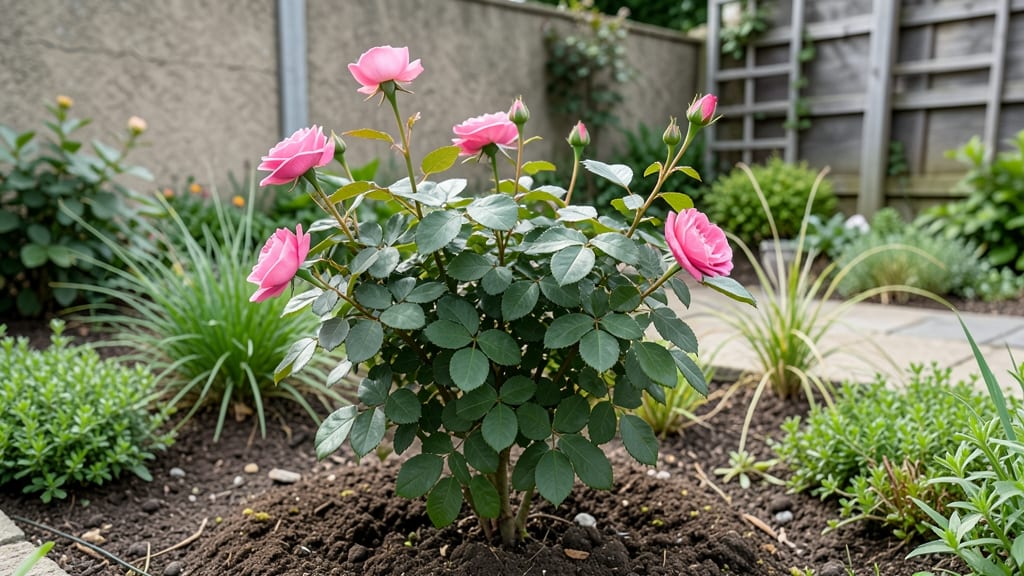
Indoor rose bush care isn't about keeping a plant alive—it's about coaxing it into year-round blooms that make your home smell like a spring garden. 🌹 The key? Mimicking outdoor conditions indoors: bright light, steady water, and precise pruning to encourage new growth.
My first indoor rose lasted three months before I realized I was overwatering and underlighting it—now I know exactly what to do (and what to avoid).
You'll need a south-facing window or a grow light for 6-8 hours daily, well-draining potting mix, and a humidity tray to combat dry indoor air. Roses love fresh air too, so crack a window occasionally (just avoid drafts).
The pruning schedule is where most people trip up—cut back in early spring and again after blooms fade, always at a 45-degree angle just above a leaf node.
With the right care, your rose will reward you with continuous blooms from spring through winter. The fragrance alone makes it worth the effort—imagine waking up to roses in December.
The secret weapon? A balanced fertilizer every 4-6 weeks during growing season, and regular checks for pests like spider mites (they love dry air too).
This method works for miniature roses just as well as standard varieties, and the same principles apply whether you're in a sunny apartment or a north-facing condo. The only difference? In low-light spaces, you'll need that grow light year-round. Let's get those blooms going!
📚 In This Guide
- What you need
- Instructions
- Tips and common mistakes
- Wrapping up and next steps
What you need
- ● Rose Bush: Choose a compact, dwarf, or patio rose variety (e.g., 'Knock Out,' 'Fairy,' or 'David Austin'). Ensure it’s potted (4-6 inches in diameter for small varieties, 8+ inches for larger ones).
- ● Well-draining pot: Terracotta or ceramic (1-2 sizes larger than the root ball). Must have drainage holes! (Add a saucer to catch excess water.)
- ● High-quality potting mix: Lightweight, airy blend with perlite or orchid bark (30-50% mix). Avoid garden soil—it compacts and suffocates roots. Quantity: Enough to fill the pot 2/3 full before adding the rose.
- ● Pruning shears: Sharp, bypass-pruners (sterilized with rubbing alcohol). Size: 5-7 inches for precision.
- ● Fertilizer: Balanced liquid fertilizer: 10-10-10 or 20-20-20 (diluted to ½ strength). Apply every 2-4 weeks during growing season (spring-fall).
- ● Slow-release granules: Rose-specific or bloom booster (e.g., Osmocote or Miracle-Gro Shake ‘n Feed). Quantity: 1 tbsp per gallon of soil.
- ○ Grow lights (optional but helpful): LED full-spectrum bulbs (12-14 hours/day). Brightness: 5000-6500K color temperature.
- ● Humidity tray or pebble tray: Fill with gravel or pebbles and water to increase humidity (especially in dry climates).
- ● Misting bottle: For light foliage misting (use room-temperature water).
- ● Root stimulator: Mycorrhizal fungi or seaweed extract to boost root health (add to soil at planting).
- ● Rose food spikes: Slow-release sticks for convenience (e.g., Espoma Rose-tone).
- ● Support stake or trellis: For taller varieties (bamboo or metal, 3-4 feet tall).
- ● Soil moisture meter: To avoid over/under-watering (ideal range: 50-70% moisture).
- ● Fungicide (preventative): Neem oil or copper-based spray (use monthly in humid conditions).
Step-by-Step indoor rose bush care for consistent blooms
Here’s how I keep my indoor roses thriving—and blooming—throughout the year with simple, science-backed care.
🌱 Step 1: Choose the Right Spot for Light and Airflow
Place your rose bush near a south- or west-facing window where it gets at least 6 hours of bright, indirect light daily. Direct sun through glass can scorch leaves, so I angle the pot slightly away from the glass during peak afternoon sun. If natural light is weak, supplement with a full-spectrum LED grow light positioned 6-12 inches above the plant for 12-14 hours daily.
Airflow is just as critical as light—stagnant air breeds pests and fungal diseases. I keep a small oscillating fan on low speed near the plant for a few hours daily to mimic outdoor breezes. You’ll notice stronger stems and fewer yellowing leaves when airflow is consistent.
💧 Step 2: Water Deeply and Maintain Moisture Balance
Water your indoor rose when the top 1-2 inches of soil feel dry to the touch. Stick your finger in the soil—if it’s damp past your first knuckle, wait another day. Overwatering is the #1 killer of indoor roses, so I always check before adding more water. When you water, soak the soil until water runs out the drainage holes, then empty the saucer 10 minutes later to prevent root rot.
I use room-temperature water (never cold) to avoid shocking the roots. In winter, when humidity drops, I mist the leaves lightly 2-3 times weekly to mimic outdoor moisture levels. Watch for crispy leaf edges—that’s your sign the air is too dry.
✂️ Step 3: Prune for Shape and Encourage More Blooms
Prune your indoor rose 3 times a year: in early spring (to shape and remove dead wood), after each major bloom cycle (to encourage new growth), and in late fall (to clean up and prepare for dormancy). Always use clean, sharp pruning shears and cut at a 45-degree angle just above a leaf node or outward-facing bud. This ensures water runs off the cut and new growth emerges in the right direction.
Remove any yellow, diseased, or crossing branches first. Then, cut back 1/3 of the oldest stems to the nearest strong bud. You’ll see fresh, vibrant growth within 2-3 weeks—that’s your reward for pruning correctly. Never prune more than 1/3 of the plant at once, or you’ll shock it into dormancy.
☀️ Step 4: Feed and Fertilize for Continuous Blooms
Feed your rose with a balanced, water-soluble fertilizer (10-10-10 or 20-20-20) every 4-6 weeks during spring and summer. I dilute it to half-strength to avoid burning the roots. In fall and winter, switch to a low-nitrogen, high-phosphorus fertilizer (like 5-10-10) to support root growth and prepare for next year’s blooms. Always water the plant thoroughly before and after fertilizing to prevent salt buildup in the soil.
I also top-dress the soil with 1-2 inches of compost in early spring to add organic matter and micronutrients. You’ll notice deeper green leaves and more abundant blooms when the soil is rich and well-aerated. Avoid over-fertilizing—yellow leaves or leaf drop are signs you’re feeding too much.
🪴 Step 5: Repot and Refresh Soil Annually
Repot your indoor rose every 1-2 years or when roots circle the pot. Choose a container 2-3 inches larger in diameter than the current one, with fresh well-draining potting mix. I mix equal parts potting soil, perlite, and compost for the best results. The extra perlite prevents compaction and improves drainage, which roses love.
Gently loosen the roots before transferring to the new pot—this encourages them to spread into the fresh soil. Water thoroughly after repotting and place the rose in a shady spot for 1 week to reduce stress. You’ll see new growth within 3-4 weeks as the plant adjusts to its new home.
Tips & tricks for perfect indoor rose care
These simple but game-changing strategies will help your indoor roses thrive year-round—no green thumb required.
Light Strategy: If your south- or west-facing window isn't enough, rotate your rose bush quarter-turn weekly to ensure even light exposure. This prevents lopsided growth and ensures all sides get those critical 6 hours of bright light daily. I also noticed my roses respond better when I clean the window glass monthly—dust buildup blocks up to 20% of light, which can stunt growth. For extra insurance, position your grow light 6-12 inches above the plant and adjust as the stems grow taller.
Pruning Precision: When you're pruning those 1/3 of oldest stems in Step 3, focus on making cuts just above an outward-facing bud. This simple technique ensures new growth emerges in the right direction, away from the center. I've found that using sterilized pruning shears (dip in rubbing alcohol between cuts) prevents infections that can cause black spots on leaves. Also, save those cuttings—place them in water for 2-3 weeks to root and propagate new plants!
Watering Wisdom: That 10-minute saucer emptying after watering is crucial, but don't forget to check your pot's drainage holes first. If water pools at the bottom, you've got poor drainage. I've had success adding a layer of gravel or perlite at the bottom of the pot before adding soil—this creates a reservoir that prevents root rot while still allowing excess water to escape. And remember: room-temperature water is key—cold water can shock the roots and cause leaves to yellow.
Fertilizer Timing: When you're fertilizing every 4-6 weeks during spring and summer, mark your calendar with seasonal reminders. I use a color-coded system—red stickers for spring/summer fertilizing and blue for fall/winter. Also, always mix your fertilizer with water first, then pour it around the base of the plant (not on the leaves). This prevents chemical burns and ensures even distribution. The half-strength dilution is non-negotiable—it's the difference between lush blooms and crispy leaf edges.
Pro Tips for Indoor Rose Bush Care
- These simple but game-changing strategies will help your indoor roses thrive year-round—no green thumb required.
- Light Strategy: If your south- or west-facing window isn't enough, rotate your rose bush quarter-turn weekly to ensure even light exposure.
- Pruning Precision: When you're pruning those 1/3 of oldest stems in Step 3, focus on making cuts just above an outward-facing bud.
Frequently asked questions
Got questions about keeping your indoor rose bush thriving? You’re not alone! Here are answers to some of the most common concerns—from pruning puzzles to light struggles—so you can enjoy lush blooms all year.
How often should I prune my indoor rose bush?
Prune your indoor rose bush lightly every 4–6 weeks during active growth (spring and summer) to encourage bushier blooms. After the last flush of flowers in fall, do a harder prune (cutting back by ⅓) to prep for winter dormancy. Avoid heavy pruning in winter—roses need rest!
Why are my rose leaves turning yellow?
Yellow leaves usually signal overwatering or nutrient deficiency. Check soil moisture—roses hate soggy roots! If the yellowing starts with older leaves, it’s often nitrogen deficiency. Feed with a balanced rose fertilizer every 4–6 weeks, or use compost tea for a natural boost.
Can I grow roses indoors without a greenhouse?
Choose compact rose varieties (like ‘Patio’ or ‘Fairy’ roses) and place them near a south- or west-facing window for 6+ hours of sunlight daily. Supplement with a grow light (12–16 hours/day) in winter. Just avoid drafts—roses hate cold air!
When is the best time to repot my indoor rose bush?
Repot in early spring (before new growth starts) if roots are circling the pot or soil drains poorly. Use a pot only 1–2 inches larger than the current one—roses prefer being slightly root-bound. Refresh the soil with a well-draining mix (50% potting soil, 30% perlite, 20% compost).
How do I get rid of pests like aphids or spider mites?
Start with a strong spray of water to dislodge pests, then treat with neem oil (mix 1 tbsp per quart of water) or insecticidal soap. Isolate the plant to prevent spreading, and repeat every 5–7 days. For severe infestations, use horticultural oil—but avoid spraying in direct sunlight!
Wrapping up and next steps
Caring for an indoor rose bush is all about balance—light, water, pruning, and a little patience will reward you with stunning, year-round blooms. 🌸 Remember, roses thrive on consistency, so stick to your routine and don’t hesitate to troubleshoot when needed.
With these tips, your indoor rose will flourish like a pro!
Ready to take the next step? Experiment with varieties—try a spray rose for cascading beauty or a miniature rose for compact charm. Then, share your progress or ask questions in gardening forums—your fellow plant lovers will cheer you on!