
Container Gardens
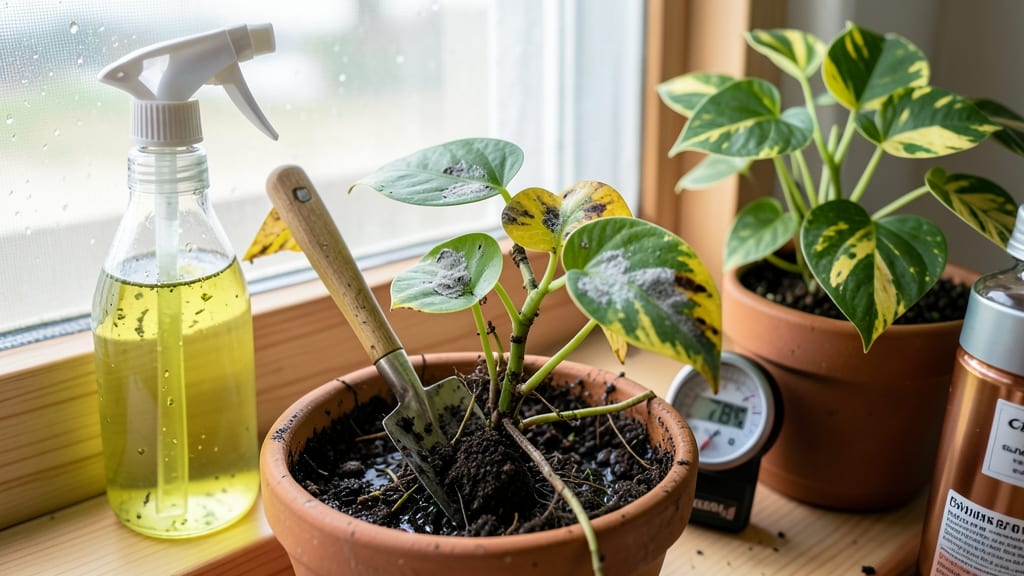
Indoor plant fungus doesn’t have to mean goodbye to your green babies. 🌱 I’ve nursed back everything from powdery mildew on my ferns to root rot in my peace lilies—here’s how to diagnose, treat, and prevent it without harsh chemicals.
The first sign is usually white fuzz, yellow spots, or wilting leaves. Most fungus thrives when plants sit in soggy soil or crowded spaces with poor airflow. My biggest mistake? Ignoring humidity levels—turns out, too much moisture is the real villain, not just overwatering.
You’ll save your plants with simple fixes: neem oil sprays, baking soda solutions, or just adjusting your watering routine. Within a week, you’ll see fresh growth replacing the damage, and your leafy friends will bounce back stronger than ever.
Works for ferns, philodendrons, succulents, and even finicky tropicals. The key is acting fast—once fungus takes hold, it spreads like wildfire. Let’s get those plants thriving again!
Root Causes Of Plant Fungus
Fungal infections in indoor plants aren’t random—they thrive when specific conditions align. Understanding the root causes helps you prevent outbreaks before they start. Here’s why your leafy friends might be battling fungal invaders:
Fungi love moisture, and indoor plants often create the perfect breeding ground. When humidity levels rise above 60-70%, fungal spores like Botrytis (gray mold) or Fusarium (root rot) multiply rapidly.
Why it happens:
- Poor air circulation traps moisture near leaves, creating a damp microclimate.
- Overwatering saturates soil and roots, leaving no room for oxygen—fungi thrive in anaerobic (low-oxygen) zones.
- Grouped plants without spacing create a humid "greenhouse effect," especially in bathrooms or kitchens.
Actionable fix: Use a hygrometer to monitor humidity and aim for 40-60%. Add a small fan or open windows to improve airflow.
Waterlogged soil is a fungus’s dream. When roots sit in soggy conditions, beneficial microbes suffocate, and pathogens like Phytophthora (root rot) take over.
Why it happens:
- No drainage holes in pots trap excess water, suffocating roots.
- Compacted or heavy soil (like clay) holds moisture too long, preventing evaporation.
- Overzealous watering without checking soil moisture—many plants prefer slightly dry soil over soggy roots.
Actionable fix: Use well-draining potting mix (add perlite or orchid bark) and pots with drainage. Water only when the top 1-2 inches of soil are dry.
Fungal spores lurk in old soil, garden tools, or even repurposed containers. If you reuse pots or tools without sterilizing them, you’re basically planting a fungal buffet.
Why it happens:
- Old potting mix may harbor dormant spores that activate when conditions are right.
- Dirty pruners or hands can transfer fungi from one plant to another.
- Infested compost introduces pathogens like Pythium (damping-off).
Actionable fix: Sterilize tools with rubbing alcohol (70%+) and repot every 1-2 years with fresh, sterile soil.
Stressed plants are like open doors for fungi. Poor light, nutrient deficiencies, or physical damage make them vulnerable to infections.
Why it happens:
- Insufficient light weakens photosynthesis, reducing the plant’s ability to fight off pathogens.
- Nutrient imbalances (too much nitrogen, not enough phosphorus/potassium) weaken cell walls.
- Physical damage (e.g., from pests or rough handling) creates entry points for fungi.
Actionable fix: Provide bright, indirect light (LED grow lights help) and fertilize with a balanced formula (e.g., 10-10-10 NPK). Prune damaged leaves promptly.
Pro Tip: 💡 Fungi spread fastest in warm (68–86°F) and damp environments—think of it like a fungal sauna! Monitor your plants’ environment year-round, not just in summer.
Fixing Fungal Issues Naturally
Fungal problems on indoor plants can feel like a silent takeover—one day your leafy greens look vibrant, and the next, they’re covered in unsightly spots or mold. But don’t panic! With the right approach, you can reverse the damage and keep your plants thriving.
Below, we’ve broken down common causes and practical fixes, so you can tackle the issue head-on—without harsh chemicals.
Signs: Yellowing leaves, black spots, or a musty soil smell. Why it happens: Too much moisture creates the perfect breeding ground for fungi like Pyricularia (leaf spot) or Rhizoctonia (root rot).
How to fix it:
- 🔪 Prune the damage – Use sterilized scissors (wipe with rubbing alcohol) to snip off infected leaves and a small margin of healthy tissue. Discard them in the trash (not compost).
- 🌱 Repot if needed – If roots look mushy or smell foul, transfer to fresh, well-draining soil and a pot with drainage holes. Skip the saucer if your plant doesn’t need it.
- 💧 Adjust your watering – Let the top 1–2 inches of soil dry out before watering again. Stick your finger in the soil—if it’s damp, wait!
- ✨ Boost airflow – Move the plant to a brighter spot (but avoid direct sun) and space it away from other plants to improve air circulation.
Prevent it:
- Water in the morning so excess moisture evaporates faster.
- Use a moisture meter to track soil dampness.
- Add perlite or orchid bark to soil mixes for better drainage.
Signs: White powdery mildew, gray fuzzy mold (Botrytis), or stunted growth. Why it happens: High humidity (especially in bathrooms or kitchens) + low light = fungal paradise.
How to fix it:
- 🌬️ Reduce humidity – Use a small fan on low setting near the plant or place a dehumidifier nearby.
- 💡 Increase light – Move the plant within 1–2 feet of a bright window (south or west-facing is ideal). Supplement with a grow light if needed.
- 🧼 Clean leaves – Wipe down leaves with a 50/50 water-vinegar spray or neem oil solution (1 tsp neem oil + 1 tsp mild soap per quart of water) to remove fungal spores.
- 🚫 Avoid overhead watering – Water at the base instead of spraying leaves.
Prevent it:
- Group plants strategically—keep humidity-loving plants (like ferns) together but avoid overcrowding.
- Open windows for 10–15 minutes daily to refresh air.
- Use a hygrometer to monitor humidity (ideal range: 40–60%).
Signs: Sticky residue, tiny bugs, or sudden fungal outbreaks. Why it happens: Pests like aphids, spider mites, or mealybugs damage leaves, creating entry points for fungi.
How to fix it:
- 🐜 Treat pests first – Blast off pests with a strong spray of water or use insecticidal soap (1 tsp mild soap + 1 quart water). Repeat every 3–4 days.
- 🌿 Apply fungicidal sprays – Mix 1 tbsp baking soda + 1 tsp oil (like coconut or olive) + 1 quart water + a drop of dish soap. Spray every 7–10 days until clear.
- 🌱 Boost plant immunity – Feed with a diluted compost tea or fish emulsion (follow package instructions) to strengthen roots.
Prevent it:
- Inspect new plants before bringing them indoors.
- Quarantine new additions for 2 weeks in a separate space.
- Encourage beneficial insects like ladybugs to control pests naturally.
If your plant is beyond saving, don’t let the fungus spread! Here’s how to sanitize and reset:
- 🧹 Deep-clean everything – Wipe down pots, trays, and tools with a 10% bleach solution (1 part bleach to 9 parts water). Rinse thoroughly.
- 🌱 Replace soil – Discard old soil and repot with sterilized potting mix (bake soil in the oven at 200°F for 30 minutes to kill spores).
- 🚫 Isolate new plants – Keep healthy plants away from the contaminated area for at least a week.
Prevent future outbreaks:
- Rotate plants every few months to prevent soil depletion.
- Test soil pH (aim for 6.0–7.0)—some fungi thrive in acidic conditions.
- Use copper fungicide sprays (like Copper Soap) as a preventative measure 2–3 times a year.
Prevention is easier than cure! Spend 5 minutes weekly checking leaves for early signs (yellowing, spots, or fuzzy growth). Act fast—most fungal issues are reversible if caught early.
With these steps, your indoor plants will bounce back healthier than ever—no chemicals required! 🌿✨
Frequently asked questions
What are the first signs my indoor plant has fungus?
Look for white powdery coatings (powdery mildew), dark spots with yellow halos (leaf spot), or fuzzy gray growth (Botrytis). Check under leaves and soil surface—musty smells or wilting despite watering are red flags too. Act fast when you spot these early warnings!
Can I save a plant with root rot caused by fungus?
Sometimes! Trim all mushy roots with sterilized scissors, repot in fresh, well-draining mix, and reduce watering immediately. For severe cases, try a hydrogen peroxide (3%) soak (1:4 ratio with water) for 10 minutes before repotting. Monitor closely for new growth.
Is neem oil safe for all indoor plants?
Most plants tolerate diluted neem oil (1 tsp + 1 tsp mild soap per quart of water), but avoid using it on succulents, cacti, or citrus plants—they're sensitive to oils. Always test a small leaf first and never apply when leaves are wet. Spray in early morning for best results.
Why does fungus keep coming back even after treatment?
Fungal spores often linger in old soil or contaminated pots. Sterilize everything (pots, tools) with 10% bleach solution, use fresh potting mix, and check humidity levels—keep them between 40-60%. Rotate plants regularly to prevent soil depletion too.
What's the fastest way to reduce humidity around my plants?
Place a small fan on low near the plants or use a dehumidifier nearby. For quick fixes, group plants together (creates microclimate) but leave space between them. Open windows daily for 10-15 minutes to refresh air circulation.