
Light Requirements
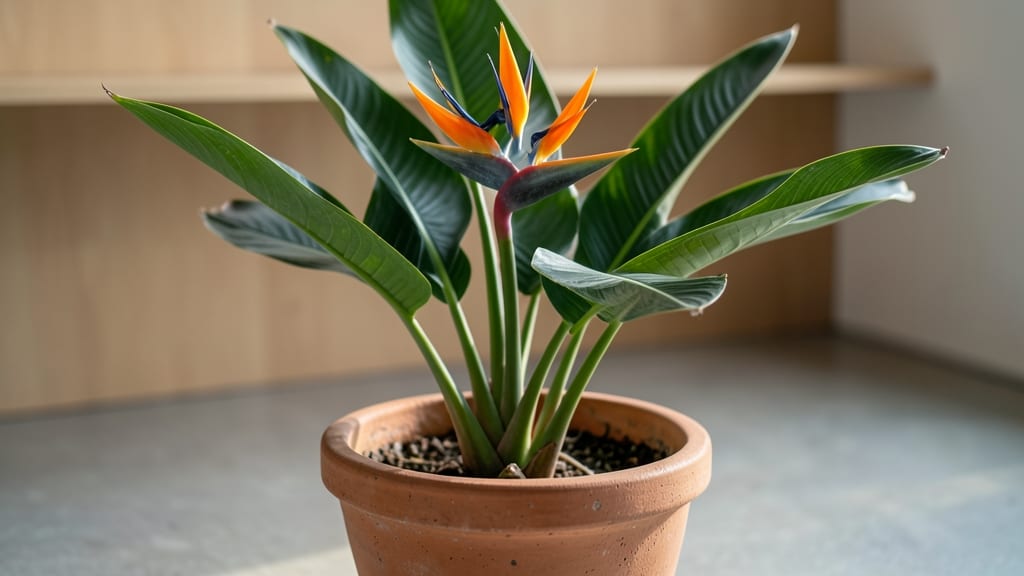
Growing a bird of paradise indoors without sunlight struggles starts with one key insight: these dramatic plants thrive in bright, indirect light—not the harsh glare you'd expect. 🌿 I've nursed my own back from the brink of crispy brown leaves by adjusting placement and light sources, and the difference is night-and-day growth.
The secret isn't finding perfect sunlight (which most homes lack) but creating the right balance of brightness and humidity that mimics their tropical roots.
You'll need just a few basics: a pot with drainage, well-draining soil mix, and a way to boost light when your space falls short. Most people overwater these plants, thinking they need constant moisture like tropical houseplants—but the roots actually prefer to dry out slightly between waterings.
My plant now blooms reliably because I water only when the top 2-3 inches of soil feel dry, and I've added a pebble tray underneath to keep humidity up without overcomplicating things.
What you'll end up with is a tropical showstopper that grows taller and more vibrant than you'd expect indoors. The dark green leaves stay glossy, the stems stay sturdy, and—if you're patient—you might even coax those iconic orange-and-blue blooms to appear.
The best part? These plants clean the air while they grow, making them a double win for your home.
This works for any indoor space, from sunrooms with natural light to apartments with only a bright windowsill. The key is adapting to your environment rather than forcing the plant to adapt to yours. Let's get yours thriving!
📚 In This Guide
- What you need
- Instructions
- Tips and common mistakes
- Wrapping up and next steps
What you need
- ● Indoor Bird of Paradise Plant: 1 healthy, mature plant (check for vibrant green leaves and sturdy stems).
- ● Pot: 1 large, well-draining container (12–16 inches in diameter) with drainage holes. Pro tip: Terracotta or ceramic works best!
- ● High-Quality Potting Mix: 1 bag (1–2 cubic feet) of well-draining, slightly acidic mix (pH 5.5–6.5). Mix 50% peat or coco coir, 30% perlite, and 20% orchid bark for optimal drainage.
- ○ Drainage Material (Optional but Recommended): 1 layer of gravel or small rocks (1–2 inches) at the pot’s bottom.
- ● 1 sheet of landscape fabric (to prevent soil from clogging drainage holes).
- ● Garden Gloves: 1 pair (to protect hands from sharp leaves and soil).
- ● Trowel: 1 medium-sized (for repotting or adjusting soil).
- ● Watering Can: 1 with a narrow spout (to avoid overwatering).
- ○ Humidity Tray or Peat Moss (Optional): 1–2 trays or a small bag of moss (to boost humidity in dry climates).
- ● Grow Lights (If Low Light): 1–2 full-spectrum LED grow lights (12–16 inches above the plant, 12–14 hours/day).
- ● Timer (to automate light cycles).
- ● Fertilizer: 1 bottle of balanced liquid fertilizer (20-20-20 or 10-10-10, diluted to half-strength).
Step-by-step instructions for growing indoor bird of paradise
Here’s how to keep your bird of paradise thriving indoors—no sunlight struggles required.
🪴 Step 1: Choose the Right Pot and Soil Mix
Start with a 12-14 inch diameter pot for each plant, since bird of paradise needs room to grow. The pot should have drainage holes—these plants hate soggy roots. I like to use a mix of 50% potting soil, 30% perlite, and 20% orchid bark for the best drainage and aeration.
Fill the pot about ⅓ full with your mix, then tap the container gently to settle the soil. The goal is a light, airy medium that won’t compact around the roots. Avoid garden soil—it’s too dense and can suffocate the roots over time.
☀️ Step 2: Position for Bright, Indirect Light
Place your bird of paradise near a south- or west-facing window, where it can get bright, indirect light for 6-8 hours daily. If natural light is limited, supplement with a grow light positioned 12-18 inches above the plant. You’ll know the light is right when the leaves stay deep green—not yellow or pale.
Rotate the pot a quarter turn every 2-3 weeks to ensure even growth. Without this, the plant will lean toward the light, and the stems can become weak. Watch for new growth emerging—this is your signal the light conditions are perfect.
💧 Step 3: Water Deeply but Infrequently
Water your bird of paradise only when the top 2-3 inches of soil feel dry to the touch. Stick your finger in the soil—if it’s damp, wait another day. When you do water, soak the soil thoroughly until water runs out the drainage holes. Empty the saucer afterward to prevent root rot.
I’ve found that overwatering is the biggest mistake with this plant. If the leaves start yellowing or feel mushy, you’re likely watering too often. Let the soil dry out completely between waterings, especially in cooler months when growth slows.
✂️ Step 4: Prune and Fertilize for Healthy Growth
Trim any yellow or damaged leaves at the base with clean, sharp scissors. This keeps the plant looking neat and encourages new growth. If the stems get too leggy, you can also prune them back by ⅓ of their length in early spring to promote bushier growth.
Feed your bird of paradise with a balanced liquid fertilizer (like 10-10-10) every 4-6 weeks during spring and summer. Cut back to once every 8-10 weeks in fall and winter when growth slows. Always dilute the fertilizer to half-strength to avoid burning the roots.
🌿 Step 5: Monitor for Pests and Adjust Care
Check the undersides of leaves weekly for signs of pests like spider mites or mealybugs. Wipe leaves with a damp cloth to remove dust, which helps the plant absorb more light. If you spot pests, treat with neem oil or insecticidal soap—both are safe for indoor plants.
If your bird of paradise isn’t growing as expected, reassess its light, water, and fertilizer routine. Sometimes, a simple adjustment—like moving it closer to the window or reducing water—is all it needs to thrive. With patience, you’ll see those signature ornate, tropical leaves flourish indoors.
Tips & tricks for perfect indoor bird of paradise care
Between us, these little tricks will help you avoid the most common pitfalls and keep your bird of paradise looking like a tropical showstopper—even in low-light conditions.
Lighting Strategy: That 6-8 hours of bright, indirect light is non-negotiable, but here's what I learned the hard way: If your windows don't get enough sunlight, invest in a full-spectrum LED grow light. Place it 12-18 inches above the plant and keep it on for 12 hours daily to mimic natural daylight cycles. I've seen dramatic differences when I added this—leaves stayed vibrant instead of turning pale and leggy.
Soil Science: The 50-30-20 soil mix ratio isn't just arbitrary—it's about balance. The orchid bark prevents compaction while the perlite ensures excess moisture drains quickly. Pro tip: After repotting, press down gently but don't pack the soil too tightly. You want roots to spread naturally without fighting for space. Think "fluffy cloud" texture, not "concrete block."
Watering Wisdom: The "top 2-3 inches dry" rule is your golden standard, but here's the secret: Use your finger to check moisture at two different spots in the pot. Bird of paradise roots can develop unevenly, and some areas might stay damp while others dry out. Also, always water in the morning—this gives any excess moisture time to evaporate before evening, reducing rot risk.
Fertilizer Timing: Those 4-6 week intervals during growing season are perfect, but here's what nobody tells you: Always fertilize after watering. This prevents fertilizer burn from concentrated salts in dry soil. I also like to flush the soil with plain water every 3 months to wash away any buildup—just let water run through until it drains clean from the bottom.
Pro Tips for Indoor Bird Of Paradise
- Between us, these little tricks will help you avoid the most common pitfalls and keep your bird of paradise looking like a tropical showstopper—even in low-light conditions.
- Lighting Strategy: That 6-8 hours of bright, indirect light is non-negotiable, but here's what I learned the hard way: If your windows don't get enough sunlight, invest in a full-spectrum LED grow light.
- Soil Science: The 50-30-20 soil mix ratio isn't just arbitrary—it's about balance.
Frequently asked questions
Got questions about growing your indoor Bird of Paradise? You’re not alone!
Here are some of the most common concerns—plus quick, actionable answers to keep your plant thriving in low-light spaces.
Can Bird of Paradise survive indoors without direct sunlight?
Yes! While they love bright, indirect light, they can adapt to indoor conditions with patience. Place them near east- or north-facing windows for gentle light, or supplement with a grow light (12–14 hours/day). Avoid deep shade—yellowing leaves or slow growth signal a need for more light. Pro tip: Rotate the pot monthly for even exposure!
How often should I water my indoor Bird of Paradise?
Water when the top 2–3 inches of soil feel dry (stick your finger in to test!). Overwatering is the #1 killer—these plants hate soggy roots. Reduce watering in winter (growth slows) and ensure pots have drainage holes. Signs of distress: Drooping leaves (underwatered) or mushy stems (overwatered).
What’s the ideal temperature range for indoor Bird of Paradise?
Aim for 65–80°F (18–27°C) during the day and no lower than 55°F (13°C) at night. They’re tropical but can’t handle drafts (like AC vents or cold windows) or sudden temperature swings. Keep them away from heating/cooling sources to prevent leaf scorch or shock. Bonus: Humidity above 40% mimics their native habitat—try a pebble tray or humidifier!
Why aren’t my Bird of Paradise leaves unfurling?
New leaves stuck in a tight spiral? It’s normal—but if growth stalls, check these fixes:
- Light: Move closer to a brighter spot or add a grow light.
- Nutrients: Feed with a balanced liquid fertilizer (diluted to half-strength) every 6–8 weeks in spring/summer.
- Pot size: Root-bound plants grow slowly—repot into a container 1–2 inches larger if roots circle the edges.
Are there low-light alternatives to Bird of Paradise?
If your space is too dim, try these drama-free, shade-tolerant picks:
- ZZ Plant (Zamioculcas zamiifolia): Nearly indestructible; thrives in low light and infrequent watering.
- Cast Iron Plant (Aspidistra elatior): Handles dark corners and neglect like a champ.
- Snake Plant (Sansevieria): Purifies air and tolerates artificial light.
Wrapping up and next steps
Bringing the indoor bird of paradise into your home is a rewarding journey—one that thrives on patience, the right light solutions, and a little creativity! 🌱 With the right setup (like grow lights, reflective surfaces, or south-facing windows), you can keep this tropical beauty flourishing even in low-light spaces.
Remember, consistency in care and monitoring its needs will pay off with vibrant foliage and stunning blooms.
Ready to take the next step? Start by observing your plant’s response to its current light—adjust gradually, and don’t hesitate to experiment with placement or lighting. Your bird of paradise will thank you with lush, happy growth! 💚