
Container Gardens
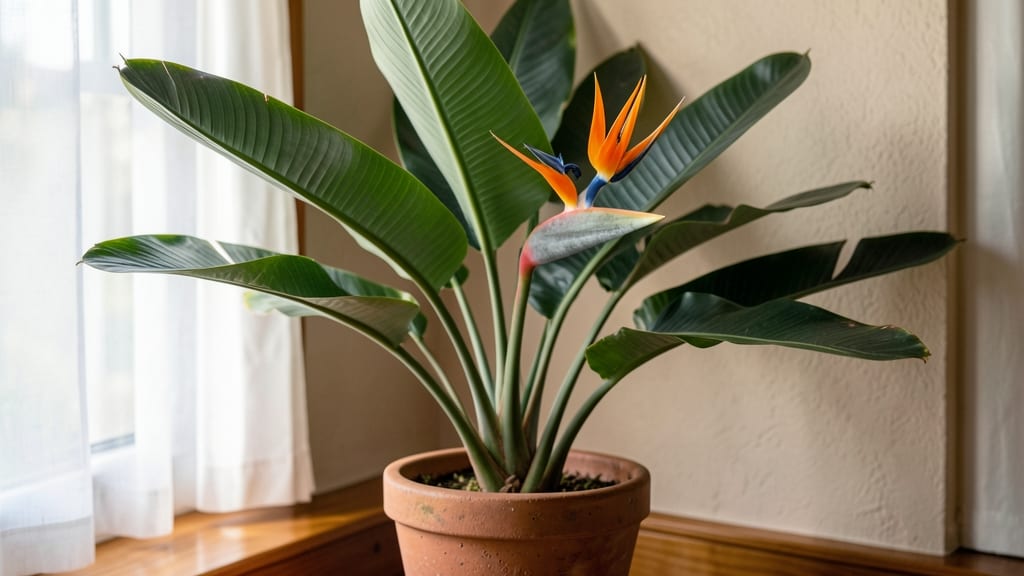
The bird of paradise indoor plant care thrives with stunning foliage and surprisingly low-light tolerance. ✨ I’ve kept mine alive through office rotations and dim apartments—here’s how to make yours a showstopper without a sunroom.
This plant loves bright indirect light but adapts to medium-light rooms, making it perfect for homes without south-facing windows. Water only when the top 2-3 inches of soil feel dry, and use well-draining soil to prevent soggy roots.
A humidity boost (like a pebble tray) keeps those bold leaves crisp all year.
You’ll notice new growth within months, with leaves reaching 2-3 feet long when happy. The key is patience—it’s a slow grower but rewards you with dramatic, tropical vibes. Prune brown fronds at the base to keep it tidy, and fertilize lightly in spring/summer.
Works in any room, from living rooms to offices. Let’s get yours thriving!
📚 In This Guide
- What you need
- Instructions
- Tips and common mistakes
- Wrapping up and next steps
What you need
- ● Pot: A drainage-friendly container (12–18 inches in diameter) with holes at the bottom. Terracotta or ceramic works best!
- ● Well-draining potting mix: 60% peat or coconut coir, 20% perlite or pumice, and 20% sand or orchid bark (about 2–3 gallons per plant).
- ● Watering can with a narrow spout: For precise watering (1–2 gallons capacity).
- ○ Humidity tray or pebble tray: Optional but helpful for maintaining moisture (especially in dry climates).
- ● Fertilizer: A balanced liquid fertilizer (10-10-10 or 20-20-20) or slow-release granules (follow package instructions).
- ● Pruning shears: Sharp, clean pair for trimming dead leaves or stems.
- ○ Gloves (optional): Protect your hands from sap or sharp leaf edges.
- ● Grow lights (LED or fluorescent) for supplemental lighting if natural light is limited.
- ● Plant food (like worm castings or fish emulsion) for extra nutrients.
- ● Misting bottle to boost humidity around the plant.
- ● Support stake (if your plant leans—though mature Bird of Paradises are sturdy!).
Step-by-step instructions for bird of paradise indoor plant care
Here's how I keep my bold bird of paradise thriving indoors with just the right balance of light, water, and patience.
🪴 Step 1: Choose the Right Spot for Light and Space
Bird of paradise plants love bright, indirect light—think near an east-facing window or a few feet from a south-facing one. Too little light makes the leaves pale and leggy, while direct sun can scorch those stunning tropical leaves. I always position mine where it gets 4-6 hours of filtered light daily—that sweet spot between too much and too little.
These plants grow tall (often 4-6 feet indoors) and need room to stretch upward. Give it plenty of space—if you're placing it near a wall, leave at least 3 feet of clearance for those dramatic leaves to unfurl properly. Watch for the leaves leaning toward the light; if you see that, rotate the pot a quarter turn weekly to keep it growing straight and sturdy.
💧 Step 2: Water Deeply but Infrequently
Bird of paradise plants are drought-tolerant once established, so I water them only when the top 2-3 inches of soil feel completely dry. Stick your finger in the soil—if it's damp, wait a few more days. Overwatering is the #1 killer of these plants, leading to root rot and yellowing leaves. I always water slowly at the base until water drains out the bottom, then dump any excess from the saucer to prevent soggy roots.
In winter, when growth slows, I cut back to watering every 3-4 weeks. You'll know it's thirsty when the lower leaves start to droop slightly—this is its way of telling you it needs a drink. After watering, the leaves should perk up within a few hours if the moisture was right.
☀️ Step 4: Feed and Prune for Healthier Growth
During the spring and summer growing season, I fertilize my bird of paradise every 4-6 weeks with a balanced, water-soluble fertilizer (like 20-20-20). I always dilute it to half-strength—these plants are sensitive to salt buildup, which can turn the leaf tips brown. Stop fertilizing in fall and winter when growth naturally slows down.
Pruning isn't usually needed, but if you notice yellow or damaged leaves, snip them off at the base with clean, sharp scissors. I also trim any leggy stems back to encourage bushier growth. The plant will reward you with new, vibrant leaves within a few weeks—just don’t overdo it, as too much pruning can stress it out.
⏰ Step 5: Watch for Pests and Adjust Care Seasonally
Check the undersides of leaves weekly for spider mites or mealybugs—these pests love bird of paradise plants. If you spot them, wipe the leaves down with a damp cloth or treat with neem oil (mix 1 teaspoon with 1 quart of water and spray lightly). I also mist the leaves occasionally to keep humidity up, which helps deter pests and keeps the leaves looking lush.
In winter, when indoor air gets dry from heating, I move the plant away from vents and place it on a pebble tray filled with water and gravel. The evaporating water adds humidity around the plant without overwatering the soil. You’ll notice the leaves stay crisp and vibrant instead of crisping at the edges.
Tips & tricks for perfect bird of paradise indoor plant care
These simple adjustments will help you keep your bird of paradise looking stunning with minimal effort. Confession: I struggled with keeping mine vibrant for years until I figured out these key tricks.
Light Adjustment Secret: If you notice your plant stretching toward the window (a sign of insufficient light), move it closer—but never to direct sunlight. I've found that placing it 2-3 feet from an east-facing window gives that perfect 4-6 hours of filtered light without risking sunburn. For north-facing windows, supplement with a grow light for 3-4 hours daily during winter months when natural light dims.
Watering Technique: The finger test is your best friend here. I learned the hard way that waiting until the soil is bone dry (not just the top inch) prevents root rot. For extra insurance, I use a moisture meter in the soil—it's worth the investment. In winter, I actually set a reminder on my phone for every 3-4 weeks to check moisture levels, as the plant's needs drop dramatically during dormancy.
Seasonal Care Transition: The shift from summer to winter care is where most people go wrong. I start reducing fertilizer applications in early fall, tapering off completely by November. For humidity, I switch from occasional misting to using a pebble tray with 1 quart of water under the pot—this creates the perfect microclimate without overwatering the soil. The key is consistency: maintain these adjustments until spring when growth resumes.
Pro Tips for Bird Of Paradise Indoor Plant Care
- These simple adjustments will help you keep your bird of paradise looking stunning with minimal effort. Confession: I...
- Light Adjustment Secret: If you notice your plant stretching toward the window (a sign of insufficient light), move i...
- Watering Technique: The finger test is your best friend here. I learned the hard way that waiting until the soil is b...
Frequently asked questions
about caring for your Bird of Paradise indoor plant—because even tropical stunners need a little TLC! Here are answers to common queries to keep your plant thriving.How often should I water my Bird of Paradise plant?
Water your Strelitzia nicolai when the top 2-3 inches of soil feel dry. Typically, this means watering every 1-2 weeks, but adjust based on humidity and light. Overwatering is the #1 killer—always use a pot with drainage holes to prevent root rot.
Why are the leaves turning yellow?
Yellow leaves usually signal overwatering or poor drainage. Check the soil—if it’s soggy, reduce watering and repot in well-draining mix. Yellowing can also mean nutrient deficiency (try a balanced fertilizer) or fluorescent lighting stress (move to brighter, indirect light).
Can I grow a Bird of Paradise under fluorescent lights?
While possible, Strelitzia thrives best with bright, indirect light (like near a south-facing window). Fluorescent bulbs work for short-term growth, but supplement with a grow light if leaves start stretching (called etiolation). Aim for 12-14 hours of light daily for optimal health.
How fast does a Bird of Paradise grow indoors?
Indoors, expect 6-12 inches of growth per year, with faster growth in spring/summer and slower in winter. Patience is key—these plants can take 3-5 years to bloom indoors! Prune leggy stems to encourage bushier growth and redirect energy to new leaves.
What’s the ideal temperature range for my Bird of Paradise?
Keep your plant cozy in 60–80°F (15–27°C). Avoid drafts (like AC vents or cold windows) and temperatures below 50°F (10°C), which can cause leaf drop. If you’re in a chilly climate, bring it indoors before winter—these tropical beauties hate the cold!
Pro Tip: Rotate your plant every few weeks to ensure even light exposure—prevents lopsided growth and keeps those stunning leaves symmetrical!
Wrapping up and next steps
Caring for a bird of paradise indoor plant is all about embracing its bold beauty with just the right balance of light, water, and patience. 🌿 With minimal light needs and striking foliage, this tropical stunner is perfect for adding drama to your space—whether you’re a seasoned plant parent or just starting your green journey.
Ready to watch it thrive? Start with a well-draining pot, bright indirect light, and occasional watering, and soon you’ll be rewarded with lush, vibrant leaves that bring a touch of the tropics indoors!
Next step: Grab your plant, follow the care tips, and enjoy the satisfaction of nurturing a stunning, low-maintenance centerpiece that’ll turn heads! 🌟