Container Gardens
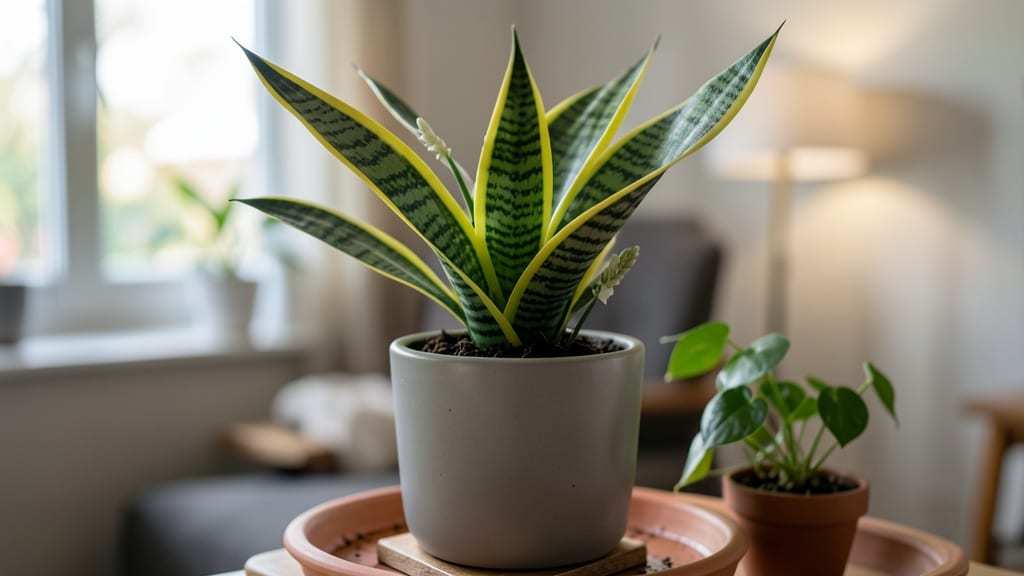
Your indoor apartment garden could be the envy of every neighbor—no balcony required. 🌿 I’ve turned my 400-square-foot apartment into a thriving plant sanctuary using nothing but smart containers, layered lighting, and a few space-saving tricks that work even in dim corners.
The secret isn’t expensive gear—it’s choosing the right plants for your light conditions and arranging them vertically. A single shelf can hold a mini herb garden, a trailing pothos, and a dwarf citrus tree, all within arm’s reach. Even in low-light apartments, the right setup keeps plants happy and growing.
By summer’s end, you’ll have lush greenery that doubles as decor, fresh herbs for cooking, and the satisfaction of a garden that thrives where others give up. The best part? No weeds, no pests, and no excuses—just pure, foolproof indoor gardening. Works for studios, high-rises, or shared spaces.
Let’s make your apartment bloom!
📚 In This Guide
- What you need
- Instructions
- Tips and common mistakes
- Wrapping up and next steps
What you need
- ● Containers: 1-3 window-sill planters (6-12" deep, with drainage holes) – for herbs or small veggies.
- ● 1-2 hanging planters (10-14" diameter) – for trailing plants like pothos or string of pearls.
- ○ 1 self-watering planter (optional but great for beginners!).
- ● Growing Medium: 1 bag high-quality potting soil (look for "lightweight" or "organic" blends).
- ● 1 bag perlite or coco coir (for drainage, ~10% mix with soil).
- ● Seeds/Plants: 5-10 seed packets (e.g., basil, mint, lettuce, or pre-sprouted microgreens).
- ● OR 3-5 small potted plants (succulents, snake plants, or herbs from a nursery).
- ● Tools: 1 small hand trowel (for planting).
- ● 1 spray bottle (for misting seedlings).
- ● 1 measuring cup (for soil/fertilizer ratios).
- ● 1 pruning shears (for trimming).
- ● 1 grow light (LED, 10-12" height, for low-light apartments).
- ● 1 humidity tray (pebble tray + water for moisture-loving plants).
- ● 1 fertilizer (liquid or slow-release, like fish emulsion or worm castings).
- ● 1 plant labels (chalkboard or wooden tags for tracking).
- ● 1 self-adhesive hooks (for hanging planters on walls/ceilings).
- ● ✅ Sunlight: A south/west-facing window (or a grow light for <6 hrs/day).
- ● ✅ Space: At least 1-2 sq. ft. of countertop or shelf space.
- ● ✅ Time: 5-10 mins/day for watering/pruning (or a self-watering setup!).
- ● ✅ Budget: $30-$100 (DIY-friendly or splurge on premium tools!).
Instructions: how to design your indoor apartment garden
Transform any corner into a thriving garden with these space-efficient strategies.
🪴 Step 1: Choose the Right Containers for Your Space
Opt for vertical planters, wall-mounted shelves, or tiered trays to maximize square footage. I prefer stackable fabric grow bags for herbs because they're lightweight and allow roots to breathe while saving floor space. For larger plants like snake plants or pothos, hanging macramé planters work beautifully near windows.
Measure each container's footprint before placement—aim for no more than 12 inches wide per plant to prevent overcrowding. If using shelves, ensure they can support 10-15 pounds per square foot (most lightweight shelves max out at 8-10 pounds). Place a drip tray underneath to catch excess water and protect floors.
☀️ Step 2: Optimize Light Exposure for Every Plant Type
Group plants by their light needs: low-light (snake plants, ZZ plants) near north-facing windows, medium-light (pothos, peace lilies) 3-5 feet from east or west windows, and high-light (herbs, succulents) within 12 inches of a south-facing window. For apartments without natural light, full-spectrum LED grow lights on a 14-hour timer work wonders.
Rotate containers quarter-turn weekly so plants grow evenly toward the light. You'll notice leaves leaning toward the window? That's your cue to move the plant closer or add supplemental lighting. For herbs and leafy greens, aim for 6-8 hours of direct light daily—any less and you'll get leggy, pale growth.
💧 Step 3: Implement a Watering System That Fits Your Schedule
Use self-watering planters or wicking beds to maintain consistent moisture without daily checks. For traditional pots, terracotta or ceramic (not plastic) helps regulate soil moisture by allowing evaporation through the sides. Stick your finger 1 inch into the soil—if it feels dry, water until it drains from the bottom.
I schedule watering based on plant types: herbs and succulents every 5-7 days, tropicals every 3-4 days, and air plants with a weekly misting. Overwatering is the #1 killer of indoor plants—always check the weight of the pot (lighter = needs water) and leaf turgor (droopy leaves = thirsty).
🌿 Step 4: Select Plants That Thrive in Compact Spaces
Start with slow-growing, non-invasive varieties like basil, mint, or chives for herbs, or pothos, spider plants, and snake plants for foliage. Avoid root-heavy plants like tomatoes or corn—they need 18+ inches of depth and won’t thrive in apartment conditions. For vertical growth, choose trailing plants like string of pearls or pothos to cascade elegantly.
Check each plant’s mature size before purchasing. A 6-inch pothos can grow 3-4 feet long in a year—plan for that expansion! Group plants with similar care needs together (e.g., humidity-loving ferns near a humidifier, drought-tolerant succulents in bright, dry spots). This minimizes maintenance and keeps your garden cohesive.
✂️ Step 5: Maintain Health Through Pruning and Rotation
Prune yellow or damaged leaves immediately to prevent disease spread. For herbs like basil or mint, pinch back the top sets of leaves to encourage bushier growth. Rotate plants every 2-3 months to even out light exposure—this prevents one side from growing lopsided. Use clean, sharp scissors (not dull knives) to avoid crushing stems.
Dust leaves weekly with a damp cloth—indoor plants collect dust faster than outdoor ones, blocking light absorption. Watch for pests like spider mites (tiny webs on undersides of leaves) or fungus gnats (tiny black flies near soil). If you spot them, isolate the plant and treat with neem oil or insecticidal soap—never use chemical pesticides indoors.
Tips & tricks for perfect indoor apartment gardens
Here's what nobody tells you about transforming tiny spaces into thriving green havens.
Container Selection Strategy: When choosing containers in Step 1, prioritize materials that match your plant types. For herbs and succulents, terracotta or ceramic containers help prevent root rot by allowing moisture evaporation. For tropical plants like pothos, opt for plastic containers with drainage holes—they retain moisture better. Remember the 12-inch width rule: this prevents root competition and ensures each plant gets adequate airflow, which is crucial for preventing fungal issues.
Light Optimization Hack: In Step 2, if you notice your herbs and leafy greens stretching toward the light (a condition called etiolation), it's time to intervene. Move them within 6 inches of the window or add a reflective surface (like aluminum foil on the back of the shelf) to bounce light back toward the plants. For south-facing windows, consider adding a sheer curtain to diffuse harsh afternoon sun, which can scorch delicate leaves. The 6-8 hours of direct light requirement is non-negotiable for productive growth—this is what transforms your apartment into a functional garden, not just decoration.
Watering System Upgrade: For Step 3's watering schedule, consider implementing a wicking system using a reservoir tray filled with water and a wicking material like a cotton rope. This passively delivers moisture to the roots without overwatering. When checking soil moisture, press your finger 1 inch deep—this is the critical zone where most roots absorb water. For air plants, the weekly misting should be done in the morning to allow excess moisture to evaporate during the day, preventing rot.
Plant Rotation Reminder: The quarter-turn weekly rotation in Step 2 isn't just about aesthetics—it's a growth strategy. Plants naturally grow toward light sources, but this creates uneven stems and weak branches. By rotating, you encourage balanced growth and stronger stems. For trailing plants like string of pearls, give them a gentle twist every few months to prevent them from growing in a single direction, which can make them look leggy and unattractive.
Pro Tips for Indoor Apartment Gardens
- Here's what nobody tells you about transforming tiny spaces into thriving green havens.
- Container Selection Strategy: When choosing containers in Step 1, prioritize materials that match your plant types. F...
- Light Optimization Hack: In Step 2, if you notice your herbs and leafy greens stretching toward the light (a conditio...
Frequently asked questions
Got questions about turning your apartment into a lush indoor garden? You’re not alone! Here are some of the most common concerns—and their easy solutions—so you can dive in with confidence.
What’s the best lighting setup for an indoor apartment garden?
Natural light is ideal, but if your space lacks windows, grow lights (LED or fluorescent) are a game-changer. Place them 6–12 inches above plants for 12–16 hours daily. Leafy greens and herbs thrive under cool-white bulbs, while veggies like tomatoes need full-spectrum lights. Rotate plants weekly for even growth!
How much does it really cost to start an indoor garden?
Budget-friendly options start at $20–$50 for basics: seeds, small pots, soil, and a grow light. Upgrading to hydroponics or smart planters can cost $100–$300, but repurposed containers (mason jars, colanders) slash expenses. Pro tip: Start with fast-growing herbs (basil, mint) to test your setup before investing in pricier plants.
How often should I water my indoor plants?
Overwatering is the #1 killer—stick your finger 1 inch into soil; if it’s dry, water until it drains from the bottom. Most herbs and greens need water every 5–7 days, while succulents go 2–3 weeks. Use self-watering pots or saucers to prevent soggy roots. Morning watering mimics natural cycles and reduces mold risk.
Can I grow food indoors without a sunny window?
Opt for low-light champions like baby spinach, green onions, or microgreens, which grow in 4–6 weeks under basic fluorescent lights. For tomatoes or peppers, try compact varieties (like ‘Tiny Tim’ tomatoes) with a 12-hour light cycle. Hydroponic kits are another great space-saving hack for zero sunlight.
What do I do if my indoor plants get pests?
Start with neem oil or insecticidal soap (mix 1 tsp with 1 quart water) for mild infestations. Isolate affected plants and wipe leaves with a damp cloth. Avoid chemical pesticides—they can harm pets or contaminate edibles. Prevent pests by keeping humidity moderate (40–60%) and avoiding overcrowded pots.
How do I rotate crops in a small indoor garden?
Since space is limited, intercrop fast and slow growers: Plant quick herbs (cilantro, radishes) alongside slower veggies (peppers, carrots). After harvest, sanitize containers with 1 part vinegar to 3 parts water to prevent soil-borne diseases. Succession planting (sowing new seeds every 2–3 weeks) maximizes yield in tiny areas!
Wrapping up and next steps
Transforming your apartment into a lush indoor garden isn’t just about saving space—it’s about bringing joy, freshness, and a touch of nature into your daily life.
Whether you’re growing herbs on a sunny windowsill or cultivating a mini jungle with vertical planters, the key is to start small, stay consistent, and let your creativity bloom. Now’s your moment: pick one plant, grab your supplies, and watch your green thumb magic unfold! 🌱
Next step: Sketch a simple layout or browse your local nursery for inspiration—your indoor oasis is just a seed away! 🌿