
Container Gardens
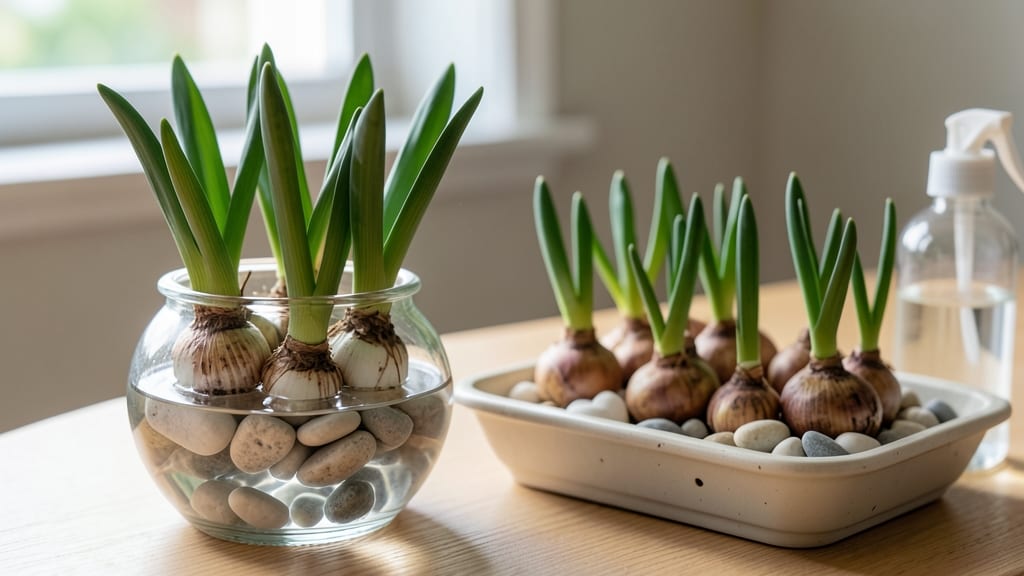
Forcing hyacinth bulbs indoors means springtime fragrance in January—no waiting for frost to melt. 🌸 I’ve turned my kitchen windowsill into a fragrant haven by following this exact method, and the results are worth every step.
The secret lies in mimicking winter’s cold snap, then coaxing the bulbs awake with warmth and light.
You’ll need just three supplies: a bulb, a shallow container (like a terra-cotta pot), and potting soil. Plant the bulbs neck-deep in early November, then chill them for 8-10 weeks—this mimics natural winter dormancy.
The payoff? Blooms that appear right when you need them, whether it’s Valentine’s Day or a dreary February afternoon.
Once the stems emerge, move the pot to a bright, cool spot (60–65°F) and watch them grow. Keep the soil moist but not soggy, and within 3–4 weeks, you’ll be rewarded with clusters of vibrant purple, pink, or white blooms that smell like a spring meadow.
The best part? These bulbs often rebloom the following year if you replant them outdoors.
Troubleshooting is simple: weak stems? Increase light. Mold? Reduce water. Delayed blooms? Extend the chilling time. This method works for any indoor space—balconies, offices, or even a sunny bathroom. Here’s how to make it happen without a single failed bulb.
📚 In This Guide
- What you need
- Instructions
- Tips and common mistakes
- Wrapping up and next steps
What you need
- ● Hyacinth bulbs: 3–5 healthy, firm bulbs (select varieties like 'Delft Blue', 'Anna Marie', or 'Woodstock' for vibrant blooms).
- ● Forcing pot: A shallow, wide container (6–8 inches in diameter) with drainage holes. Ceramic or terracotta works best—think of a 6–8 inch pot for 3–5 bulbs.
- ● Pebbles or gravel: 1–2 inches of clean, coarse pebbles or gravel (for drainage and bulb elevation).
- ● Potting mix: A well-draining, bulb-specific mix or a blend of 50% peat moss and 50% perlite (avoid garden soil—it’s too dense!).
- ● Watering can or spray bottle: For gentle hydration (no soaking!).
- ● Cool, dark space: A basement, garage, or fridge (set to 35–45°F for pre-chilling).
- ● Bright, indirect light: A sunny windowsill or grow light (once sprouts appear).
- ● Bulb fertilizer: A balanced 10-10-10 or rose fertilizer (diluted to half-strength) for a post-bloom boost.
- ● Decorative pot cover: A saucer or tray to catch water and elevate aesthetics.
- ● Thermometer: To monitor your chilling space’s temperature (critical for success!).
- ● Twine or floral picks: To secure bulbs in place if they shift during forcing.
Step-by-step instructions for forcing hyacinth bulbs indoors
Here's how I coax fragrant spring blooms indoors—timing is everything, but the process is surprisingly simple.
🪴 Step 1: Select and Prepare Your Bulbs
Choose firm, plump hyacinth bulbs—larger ones (about 3-4 inches in diameter) produce the most dramatic blooms. I like to inspect each bulb for soft spots or mold before purchasing. If you're using store-bought bulbs, they're often pre-chilled, so skip the cold treatment unless your package says otherwise.
Fill a 6-inch deep container with well-draining potting mix—hyacinths hate soggy roots. I use a mix designed for bulbs, which includes perlite or sand. Gently place each bulb pointy side up, about 2 inches apart, and cover with 2 inches of soil. The key here is to leave the bulb's neck exposed above the soil line—this prevents rot while allowing the shoot to emerge naturally.
⏰ Step 2: Chill the Bulbs to Trigger Blooming
Hyacinths need a 12-16 week cold period to bloom indoors. Place the potted bulbs in a dark, cool spot (ideally 35-45°F) for 10-12 weeks. A refrigerator works perfectly if you keep them in a paper bag with holes for airflow—this mimics winter dormancy. I check on them weekly to ensure no mold forms, but otherwise, they're hands-off during this phase.
After 10-12 weeks, you'll see a 1-2 inch green shoot emerging. This is your cue to move them to a brighter location, but not yet under direct light. The cold treatment tricks the bulb into thinking spring has arrived, which is why timing matters so much.
☀️ Step 3: Bring Them to Light for Flowering
Move the pots to a bright, indirect light spot (like an east-facing window) for 1-2 weeks before introducing full sun. Hyacinths need 6-8 hours of light daily to develop strong stems and vibrant blooms. If you notice the leaves turning pale or stretching, your light isn't strong enough—supplement with a grow light if needed.
Once the first buds appear, you can gradually increase sunlight to full sun (6+ hours daily). This is when the magic happens—the bulbs shift from dormancy to active growth. Water lightly at the base (avoid wetting the leaves) and keep the soil evenly moist but not soggy. Overwatering now can cause the stems to flop.
💧 Step 4: Care for Blooming Hyacinths
When the flowers open, place the pot in a cool, shaded spot to extend their vase-like display. Hyacinths release their fragrance most intensely in the evening, so position them where you'll enjoy the scent at night. I like to keep them in a 60-65°F room—warmer temps shorten their bloom time.
Continue watering at the base, keeping the soil moist but never waterlogged. Once the blooms fade, the leaves will yellow—this is normal! Let them stay in the pot for 6-8 weeks after flowering to recharge the bulb for next year. If you planted them in a biodegradable pot, you can even transplant them outdoors in fall for a perennial display.
Tips & tricks for perfect hyacinth bloom timing
Mastering the delicate balance of light, temperature, and patience transforms ordinary bulbs into fragrant showstoppers. Here's how to optimize each critical phase for flawless results.
Cold Treatment Precision: The 10-12 week chilling period at 35-45°F is non-negotiable for bloom initiation. I've found that placing bulbs on a refrigerator shelf (not the crisper drawer) maintains consistent temperatures without humidity fluctuations. Use a small fan on low to circulate air—this prevents mold while mimicking natural winter conditions. If your fridge runs warmer, extend the chilling time by 1-2 weeks to compensate.
Light Transition Strategy: When you move bulbs to bright indirect light after the 10-12 week chill, position them within 12 inches of the window. The gradual 1-2 week adjustment prevents shock that could cause buds to abort. I've seen dramatic results by rotating pots weekly—this ensures even growth as stems develop. Once buds appear, supplement with a grow light if natural light drops below 6 hours daily; even artificial light helps maintain stem strength.
Soil Moisture Balance: The "evenly moist but not soggy" guideline becomes critical during the flowering phase. I recommend using a moisture meter to check soil—aim for readings between 40-50%. Overwatering at this stage causes stems to weaken and flop, while underwatering stresses the bulb. For container growers, I've had success using self-watering pots with a reservoir—this maintains consistent moisture without risking root rot.
Pro Tips for Hyacinth Bulbs Forcing Indoors
- Mastering the delicate balance of light, temperature, and patience transforms ordinary bulbs into fragrant showstoppers.
- Cold Treatment Precision: The 10-12 week chilling period at 35-45°F is non-negotiable for bloom initiation.
- Light Transition Strategy: When you move bulbs to bright indirect light after the 10-12 week chill, position them within 12 inches of the window.
Frequently asked questions
about forcing hyacinth bulbs indoors—your quick guide to fragrant success!When is the best time to plant hyacinth bulbs for indoor forcing?
For spring blooms, plant bulbs 8–10 weeks before your target bloom date (typically late fall to early winter). For holiday forcing, aim for early September planting. Chill the bulbs for 12–16 weeks (40–50°F) to mimic winter—this ensures vibrant, timely flowers! Learn more about timing tricks.
How do I know if my hyacinth bulbs are chilled enough?
Bulbs are ready when roots emerge but no green shoots appear. If you see sprouts too soon, return them to the fridge for 1–2 more weeks. Pro tip: Check weekly—over-chilling can delay blooms, while under-chilling may result in weak stems. Troubleshoot here.
Can I force hyacinth bulbs without a fridge?
Yes! Use a cool, dark basement, garage, or even a refrigerator (set to 40–45°F). Avoid temperature fluctuations—consistency is key. For small batches, a DIY forcing box with a heat mat and insulation works too. See DIY methods for creative solutions.
Why aren’t my hyacinth bulbs blooming?
Common culprits:
- Insufficient chilling: Bulbs need 12+ weeks cold—skip this, and blooms may never appear.
- Too much light during chilling: Keep them completely dark until roots form.
- Overwatering: Soil should stay moist but not soggy—drainage is critical!
What can I do with hyacinth bulbs after they bloom?
Don’t toss them! After blooms fade, keep bulbs in pots in a sunny window until foliage yellows (6–8 weeks). Then, plant outdoors in fall—they’ll naturalize and return yearly! Or, re-force them next season for repeat blooms.
Wrapping up and next steps
Forcing hyacinth bulbs indoors is a rewarding way to bring early spring fragrance into your home—no greenhouse required! 🌸 With the right timing, chilling, and care, you’ll enjoy vibrant blooms weeks before outdoor flowers appear.
Start small, experiment with varieties, and soon you’ll master the art of indoor bloom timing like a pro.
Ready to try? Grab a bulb or two and give it a shot—your future fragrant spring display awaits! For extra tips, check out our FAQ section or explore other container gardening guides.