
Container Gardens
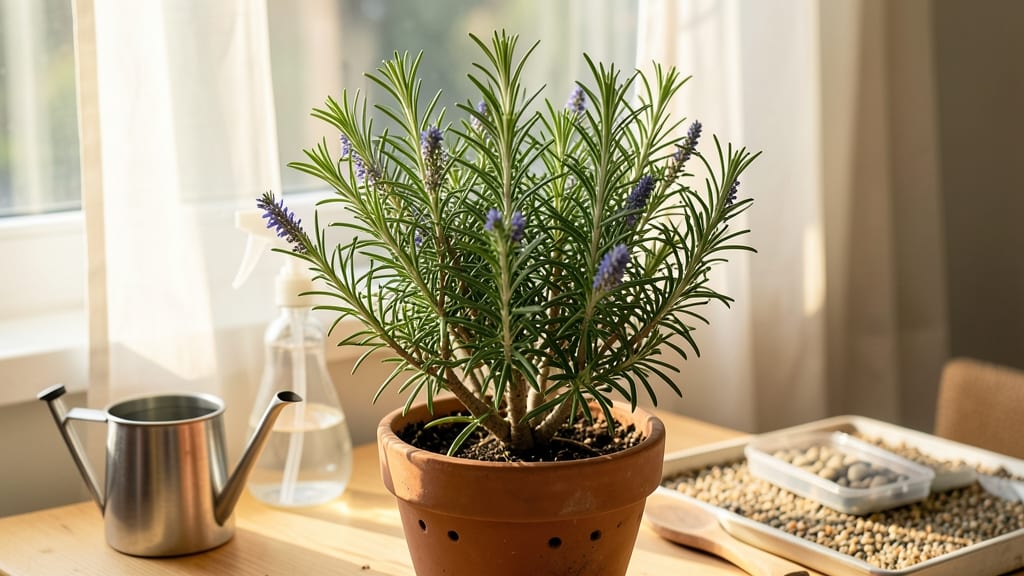
How to take care of rosemary indoors isn’t just possible—it’s how you get that shockingly lush, pine-scented plant that smells like a Tuscan vacation all year. 🌿 I’ve nursed my own rosemary from a sad grocery-store cutting to a thriving, fragrant bush, and the secret isn’t complicated: it’s about sunlight, water, and knowing when to back off. Most people overwater or underlight, and that’s how you end up with a brown, crispy mess. But with the right approach, you’ll have fresh stems for cooking and stunning foliage that makes your windowsill the envy of the neighborhood.
Here’s the deal: rosemary needs bright, direct light—think south-facing window or a grow light for 6-8 hours daily. It’s drought-tolerant, so let the top inch of soil dry out before watering again, and use a well-draining potting mix (cactus or succulent mix works great).
A terracotta pot helps prevent root rot, and pruning leggy growth keeps it bushy. The biggest mistake? Treating it like a fern—rosemary hates soggy soil and thrives on neglect almost as much as it does on attention.
By the end of a few months, you’ll have a fragrant, compact plant that’s happy to be pinched for cooking or admired as a living centerpiece. The needles stay vibrant, the scent is intoxicating, and you’ll never buy it at the store again.
Even if you’ve killed rosemary before, this method is foolproof—just give it light, space, and a little patience. And if it starts looking sad? Don’t panic. A little trim and a brighter spot usually bring it back to life.
Works for any indoor space—sunny apartments, dim offices (with grow lights), or even a kitchen windowsill. The key is adapting to your light conditions and not overcomplicating it. Rosemary is tougher than it looks, and once you crack the code, you’ll wonder why you didn’t try this sooner.
📚 In This Guide
- What you need
- Instructions
- Tips and common mistakes
- Wrapping up and next steps
What you need
- ● Rosemary plant: A healthy, potted Rosmarinus officinalis (preferably a dwarf or upright variety for indoor growth). Look for plants with firm stems and vibrant green needles.
- ● Pot with drainage holes: A container 12–16 inches wide and deep, made of terracotta, ceramic, or fabric (to prevent root rot). Ensure it has drainage holes at the bottom!
- ● Well-draining potting mix: A blend of 50% cactus/succulent mix and 50% perlite or coarse sand (rosemary hates soggy roots!). Avoid heavy garden soil.
- ● Gravel or pebbles: A 1–2 inch layer at the bottom of the pot for extra drainage.
- ● Watering can with a narrow spout: For precise watering without over-saturating the soil.
- ● Pruning shears or sharp scissors: Sterilized tools to trim dead or overgrown stems.
- ○ Grow lights (optional but helpful): A full-spectrum LED grow light (12–16 inches above the plant) for 12–14 hours/day if natural light is limited.
- ● Humidity tray: A shallow tray filled with pebbles and water to increase humidity (rosemary prefers 40–60% humidity).
- ● Fertilizer: A balanced, water-soluble fertilizer (e.g., 10-10-10) diluted to half-strength, used every 4–6 weeks in spring/summer.
- ● Spray bottle: For misting leaves lightly (avoid wetting the needles too much to prevent fungal issues).
- ● Support stake or trellis: If growing a tall variety, a small stake can help keep it upright.
- ● Soil moisture meter: To check soil dryness before watering (aim for dry top 1–2 inches of soil).
Step-by-step guide to caring for indoor rosemary
Rosemary thrives indoors with the right light and attention—here’s how to keep it vibrant and fragrant.
💧 Step 1: Water Sparingly and Only When Needed
Rosemary hates soggy soil, so wait until the top 2 inches of soil feel completely dry before watering. Stick your finger in—if it comes out clean, it’s time. Water deeply until it drains from the bottom, then empty the saucer to prevent root rot. Overwatering is the fastest way to kill rosemary, so less is always better.
Watering in the morning lets excess moisture evaporate before nightfall. You’ll notice the leaves start to curl or droop slightly when thirsty—this is your cue to hydrate. Once watered, the soil should feel moist but not wet to the touch.
☀️ Step 2: Place in Bright, Direct Light Daily
Rosemary craves 6+ hours of direct sunlight—a south-facing window is ideal. If your space lacks strong light, supplement with a grow light for 12-14 hours daily. Without enough light, stems stretch and leaves lose their rich green color.
Rotate the plant a quarter turn weekly so it grows evenly toward the light. You’ll see leggy growth if it’s too far from the window—move it closer until the stems stand upright and leaves stay compact. Yellowing leaves mean it’s getting too much indirect light or not enough direct.
🪴 Step 3: Choose the Right Container and Soil
Use a pot with drainage holes and terracotta material to wick away excess moisture. The container should be at least 6 inches deep to accommodate rosemary’s deep root system. Fill with a well-draining potting mix—rosemary despises soggy conditions.
Repot every 2-3 years or when roots emerge from the drainage holes. Spring is the best time to refresh the soil and give it a slightly larger pot. Avoid compacted or heavy garden soil—it suffocates roots and causes rot.
✂️ Step 4: Prune Regularly to Encourage Bushiness
Trim back leggy stems by ⅓ their length in early spring to promote new growth. Use clean, sharp scissors to cut just above a leaf node. Pruning also keeps the plant from becoming top-heavy and falling over.
Harvest sprigs as needed, but never take more than ⅓ of the plant at once. Pinch back new growth to encourage a fuller shape. Deadheading spent flowers in late winter prevents seed production and redirects energy to foliage growth.
🌱 Step 5: Monitor Temperature and Humidity
Rosemary thrives in temperatures between 60-75°F. Keep it away from drafts, heaters, or air conditioners, which cause stress. If your home runs dry, mist the leaves occasionally—but avoid soggy conditions.
Watch for brown leaf tips, which signal low humidity or fluoride buildup from tap water. Switch to filtered or distilled water if needed. A pebble tray with water beneath the pot adds slight humidity without overwatering.
Tips & tricks for perfect indoor rosemary care
Between us, rosemary can be a diva—but these tricks will help you keep yours thriving without the drama. I learned this the hard way after watching three plants wither from well-meaning but misguided care.
Lighting Strategy: If your south-facing window isn't an option, invest in a full-spectrum LED grow light that mimics sunlight. Position it 6-12 inches above the plant and keep it on for the full 12-14 hours mentioned in the instructions—this mimics summer daylight perfectly. I place mine on a timer to automate the process completely.
Watering Wisdom: The 2-inch dry soil test is your best friend, but here's a pro move: use a moisture meter for accuracy. Rosemary roots need oxygen too, so never let it sit in saucers of water. After watering, I always tip the pot to let excess drain completely—this prevents the root rot that kills so many indoor herbs.
Pruning Payoff: When you trim those leggy stems by ⅓ their length, don't just toss the cuttings! Dry them in bundles upside down, then crush the leaves for homemade rosemary seasoning. This doubles as a harvest method while encouraging bushier growth. The key is to always cut just above a leaf node—this is where new growth will sprout.
Temperature Troubleshooting: If your home stays above 75°F, rosemary can get heat-stressed. Place it near an open window with a gentle breeze (but no drafts!) to help regulate temperature. I've found that positioning it near a kitchen exhaust fan on low setting—when not in use—can create that perfect airflow without direct drafts.
Pro Tips for Take Care Of Rosemary Indoors
- Between us, rosemary can be a diva—but these tricks will help you keep yours thriving without the drama.
- Lighting Strategy: If your south-facing window isn't an option, invest in a full-spectrum LED grow light that mimics sunlight.
- Watering Wisdom: The 2-inch dry soil test is your best friend, but here's a pro move: use a moisture meter for accuracy.
Frequently asked questions
about growing rosemary indoors—because even the best gardeners need a little extra help! Here are answers to the most common queries to keep your fragrant herb thriving.Can rosemary survive indoors without much natural light?
Rosemary loves light—at least 6-8 hours of bright, indirect sunlight daily. If natural light is scarce, supplement with a grow light (12-16 hours/day) to prevent leggy growth. South- or west-facing windows are ideal, but avoid harsh direct sun, which can scorch leaves. Pro tip: Rotate your plant weekly for even growth!
How often should I water my indoor rosemary?
Overwatering is the #1 killer of indoor rosemary! Let the top 1-2 inches of soil dry out between waterings (usually every 1-2 weeks, depending on humidity). Stick your finger in the soil—if it’s damp, wait! Rosemary thrives on drought-like conditions. Bonus: Use a pot with drainage holes to prevent root rot.
Why is my rosemary turning yellow or dropping leaves?
Yellow leaves or leaf drop usually signal overwatering or low light. Check the soil moisture first—if soggy, reduce watering and ensure the pot drains well. If leaves are pale or sparse, move your plant to a brighter spot. Quick fix: Trim yellowed leaves to encourage new growth.
Can I grow rosemary indoors year-round, or does it need a dormant period?
Rosemary is evergreen and can grow indoors year-round with proper care! However, in winter, it may grow slower due to lower light. Reduce watering slightly and avoid fertilizing—your plant is essentially in a natural "rest" phase. Fun fact: Prune lightly in winter to shape it and encourage bushier growth!
Is indoor rosemary as flavorful as outdoor-grown?
Yes! Indoor rosemary retains its bold, piney flavor as long as it’s healthy. In fact, indoor plants often develop more concentrated oils due to stress (like limited space or light). Harvest sprigs regularly to encourage new growth, and use them fresh in dishes like roasted meats or homemade bread. Pro tip: Pinch off flowers to redirect energy to leaf production.
Wrapping up and next steps
Caring for rosemary indoors is totally doable—just remember: bright light, well-draining soil, and occasional pruning are your best friends! 🌿 With these simple steps, you’ll enjoy fragrant stems and lush growth year-round.
Now that you’re armed with the know-how, why not expand your herb collection? Try adding basil or thyme next—they thrive indoors too!