
How To
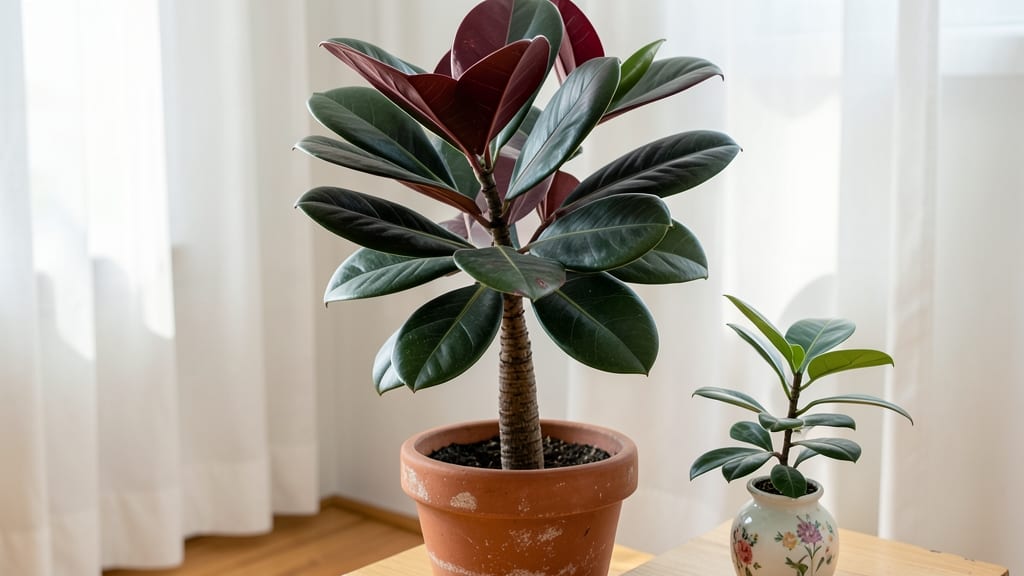
A rubber tree can grow how tall can a rubber tree grow indoors up to 15 feet—or stay compact with the right care—making it one of the most adaptable houseplants for height control.
Picture this: your living room ceiling fan now doubles as a perch for a towering 🌿 rubber tree, its glossy leaves brushing the light fixture. Or imagine the same plant, pruned just right, standing proudly at 6 feet—a statement piece without the space commitment.
The difference? Light, pot size, and a little strategic trimming.
Indoors, these tropical trees hit their growth stride when given bright, indirect light and room to stretch. Skip the pruning, and you’ll end up with a jungle ceiling; time it right, and you’ll shape a bushier, more manageable plant.
The key isn’t just cutting back—it’s understanding how genetics, light, and container size work together to keep your rubber tree’s height in check.
Below, I’ll break down the realistic height ranges, the pruning secrets that keep growth manageable, and the common mistakes that turn your compact plant into a vertical takeover. Ready to grow a rubber tree that fits your space—and your style?


Natural height limits of rubber trees indoors: genetics vs. care factors
Rubber trees (Ficus elastica) are tropical giants with a natural outdoor height range of 10 to 30 feet, but indoors, their growth is dramatically different. While their genetic potential remains the same, indoor conditions like limited space, pot size, and light exposure create a stark contrast.
Understanding these factors helps you manage their height—whether you want a floor-filling statement plant or a compact tabletop specimen.
In ideal outdoor conditions, rubber trees grow aggressively, reaching their mature height of 10-30 feet within 10-15 years. Indoors, however, most rubber trees max out at 5 to 15 feet due to restricted root growth and lower light intensity.
The key difference lies in how you manage their environment—not just genetics.
Here’s how genetics, pot size, and light exposure interact to determine your rubber tree’s height:
| Factor | Indoor Impact | Height Range | Control Tips |
|---|---|---|---|
| Genetics (Variety) | Determines growth rate and leaf size. | 5–15 ft (varies by cultivar) | Choose dwarf varieties like 'Burgundy' for slower growth. |
| Pot Size | Smaller pots = slower growth; larger pots = faster growth. | 3–10 ft (depends on pot diameter) | Upgrade pots gradually to limit height. |
| Light Exposure | Low light = stunted growth; bright indirect = faster growth. | 4–12 ft (varies by light conditions) | Rotate plant for even light exposure. |
| Pruning Frequency | Regular pruning = bushier, shorter growth. | 3–8 ft (with consistent pruning) | Prune in spring/summer to shape growth. |
| Fertilization | Over-fertilizing = rapid, leggy growth. | 5–12 ft (with balanced feeding) | Use diluted fertilizer in growing season. |
The Ficus elastica 'Robusta', the most common variety, typically grows 1-2 feet per year indoors if unpruned. However, its growth rate slows significantly when root-bound or in low light.
For example, a rubber tree in a 12-inch pot with moderate light may only reach 6-8 feet in 5 years, while the same plant in a 20-inch pot with bright indirect light could hit 10-12 feet in the same timeframe.
Light exposure is the single most critical factor after genetics. Rubber trees thrive in bright indirect light, which fuels faster growth. Place yours near an east or west-facing window for optimal results.
If your home lacks natural light, supplement with a grow light to prevent leggy, weak growth. Leggy stems are a red flag—your plant is stretching toward light, which accelerates height but weakens structure.
Pot size directly correlates with height control. A smaller pot restricts root growth, slowing overall development. For a compact rubber tree (under 6 feet), start with a 10-inch pot and upgrade only when roots circle the drainage holes.
Conversely, a large pot (18+ inches) encourages rapid growth, potentially leading to a 12-foot indoor giant within 5 years if unchecked.
Variety selection plays a surprising role in height management. While all rubber trees share the same genetic potential, some cultivars grow more slowly.
For instance, the 'Black Prince' variety tends to have darker, smaller leaves and a slightly slower growth rate compared to the 'Variegata', which can grow taller but with more pronounced variegation. If height control is your goal, opt for dwarf or slow-growing varieties like 'Burgundy' or 'Tineke'.
Temperature and humidity also influence growth rates. Rubber trees prefer 65-80°F and 40-50% humidity. In dry indoor air (common in winter), growth slows, and leaves may develop brown edges.
Use a humidifier or pebble tray to maintain ideal conditions, which can boost growth by up to 20% in optimal environments. Conversely, cold drafts or sudden temperature drops can stunt growth entirely.
Myth-busting: Many gardeners assume rubber trees will always grow tall indoors. The truth? With proactive care, you can keep them under 5 feet for years. The key is consistent pruning combined with pot size management.
For example, I’ve maintained a 4-foot rubber tree for 3 years by pruning it twice yearly and keeping it in a 12
Pruning secrets to control rubber tree height: Step-by-Step techniques for compact growth
Your rubber tree’s height isn’t set in stone—it’s a blank canvas waiting for your pruning expertise. With the right techniques, you can transform a 10-foot jungle monster into a 6-foot statement piece or even a bushy, multi-stemmed accent plant.
The key lies in understanding when, where, and how to prune for optimal growth control.
Timing is everything. Prune your rubber tree in late spring or early summer when it’s actively growing. This is when the plant can heal quickly and respond best to cuts.
Avoid pruning in fall or winter, as the plant enters dormancy and may struggle to recover. Even a small misstep can leave your tree looking leggy or stressed.
- 🌱 Step 1: Assess Your Goal – Decide your target height (e.g., 6 feet for a tabletop statement or 10 feet for a corner focal point). Measure from the soil line to the highest branch.
- 📏 Step 2: Mark Your Cuts – Use a sharp pencil to mark where you’ll cut, aiming for just above a leaf node (the bump where leaves grow). This encourages new growth.
- ✂️ Step 3: Sterilize Your Tools – Wipe your pruning shears or saw with rubbing alcohol to prevent disease. A clean cut heals faster and reduces risk of infection.
- 🌿 Step 4: Make the Cut – Cut at a 45-degree angle about ¼ inch above your marked node. Avoid leaving stubs, which can rot.
- 💧 Step 5: Seal Large Cuts (Optional) – For cuts wider than ½ inch, apply pruning sealant to prevent sap loss and speed up healing.
- 🌱 Step 6: Encourage Bushiness – If you want a fuller look, trim back the top 2-3 inches of the main stem and pinch off side branches to promote lateral growth.
- ☀️ Step 7: Rotate for Even Growth – After pruning, turn your plant ¼ turn weekly to ensure even sunlight exposure and prevent lopsided growth.
For a 6-foot rubber tree, focus on pruning the top 3-4 inches of the main stem annually and trimming back overly long branches to maintain balance.
If you’re aiming for a 10-foot tree, allow the main stem to grow taller but prune side branches to encourage a fuller silhouette. Remember, rubber trees respond well to regular pruning, so consistency is key.
Don’t forget to repurpose your prunings! Rubber tree cuttings root easily in water, giving you free plants to share or expand your collection. Simply place cuttings in a jar of water, change it weekly, and watch roots develop in 4-6 weeks.
It’s a win-win for your garden and your green thumb!
With these techniques, your rubber tree will grow stronger, fuller, and perfectly sized for your space—no jungle takeover required. Happy pruning! 🌿