
Size
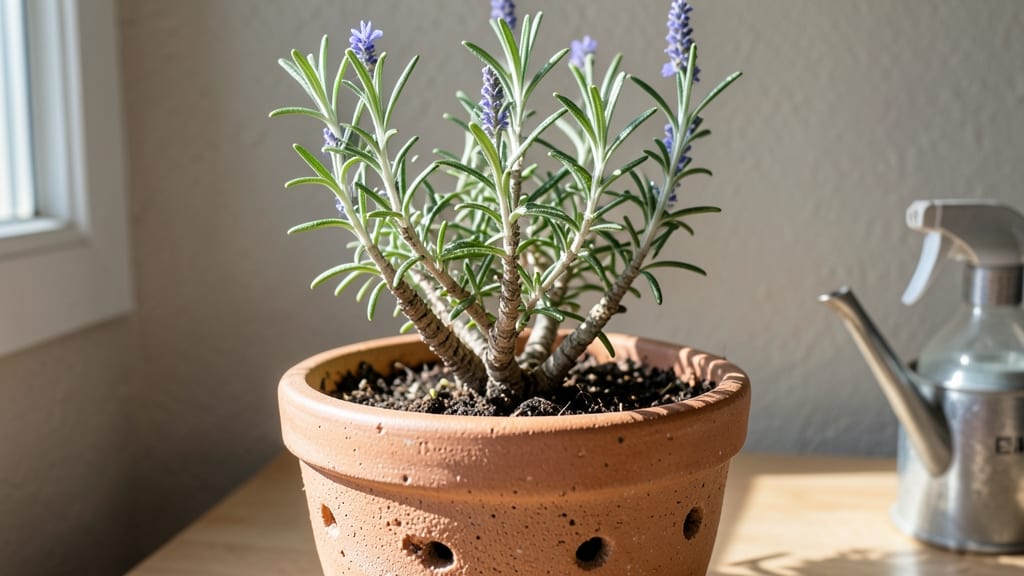
How to grow rosemary plants indoors means fresh, fragrant herbs anytime—no matter how little sunlight your windows get. 🌿 I’ve kept rosemary thriving in my dim apartment for years, and the secret isn’t complicated: it’s all about the right container, soil, and a little pruning magic to keep it bushy and productive.
The key supplies are simple: a 6-inch pot with drainage holes, well-draining potting mix (think cactus or succulent blend), and a sunny spot—even a south-facing window or a grow light for 6+ hours a day.
Overwatering is the #1 killer, so let the soil dry out completely between waterings. Rosemary hates soggy roots!
Pruning is where the magic happens. Snip the tips just above a leaf node every few months, and you’ll get thicker growth and more harvestable stems.
The smell alone makes it worth it—like a Mediterranean vacation in a pot. With the right care, your rosemary will stay lush and fragrant for years.
Even if your space is small or your light is weak, rosemary adapts. Just avoid drafts, keep it warm, and trim regularly. Next time you reach for store-bought, you’ll be glad you grew your own!
📚 In This Guide
- What you need
- Instructions
- Tips and common mistakes
- Wrapping up and next steps
What you need
- ● Growing rosemary indoors is easier than you think—just gather these essential materials and you’ll be on your way to fresh, fragrant herbs year-round! 🌿✨ Here’s what you’ll need:
- ● Pro tip: 💡 Skip the fancy tools! A simple pot, good soil, and bright light are the real game-changers. Rosemary is tough—it’ll thrive even with minimal fuss!
Step-by-step instructions for growing rosemary indoors
Here's how to keep rosemary thriving year-round with simple light and pruning tricks.
🪴 Step 1: Choose the Right Container and Drainage
Rosemary hates soggy roots, so pick a pot with drainage holes—at least 6 inches deep for each plant. I use terracotta because it breathes and prevents moisture buildup. If your pot lacks holes, drill a few yourself. Add a layer of small pebbles or broken pottery at the bottom to create a drainage barrier.
Fill the pot with well-draining potting mix (never garden soil). Rosemary needs soil that dries out between waterings. Mix in a handful of perlite or coarse sand to improve aeration. Press the soil down gently—it should feel firm but not compacted. This ensures roots get oxygen while preventing waterlogging.
☀️ Step 2: Position for Bright, Indirect Light
Rosemary craves 6-8 hours of sunlight daily. Place it near a south-facing window where it gets morning sun and afternoon shade. If your space is dim, supplement with a grow light kept 4-6 inches above the plant. You'll know it's getting enough light when new growth is vibrant green—not pale or stretched.
Rotate the pot quarter-turn weekly so the plant grows evenly. Leggy stems mean it's reaching for light. If you notice buds forming, it's getting just the right amount. Too little light? The leaves will yellow and drop. Too much direct sun? They'll scorch and crisp at the edges.
💧 Step 3: Water Sparingly and Only When Needed
Water only when the top inch of soil feels completely dry. Stick your finger in—if it comes out clean, it's time. Overwatering is rosemary's biggest enemy. Pour water slowly until it drains through the holes, then empty the saucer to prevent root rot. I water mine every 7-10 days, but your schedule depends on humidity and light.
Mist the leaves lightly once a month to boost humidity, especially in dry climates. Avoid wetting the foliage regularly—this encourages fungal issues. If the soil stays damp for more than a day, you're watering too often. Drooping leaves? Wait a few more days before watering again. Rosemary's drought-tolerant nature makes it resilient once established.
✂️ Step 4: Prune for Bushier Growth and Harvesting
Pinch back the tips of new growth when stems reach 3-4 inches tall to encourage branching. Use clean scissors or pruners to snip just above a leaf node. This is where new side shoots will emerge. Regular pruning keeps rosemary compact and prevents it from growing leggy. I prune mine every 4-6 weeks during active growth.
Harvest sprigs by cutting just above a set of leaves. Never take more than ⅓ of the plant at once. Fresh rosemary grows back quickly if you leave enough foliage. The best time to harvest is in the morning when essential oils are most concentrated. Store pruned sprigs in a jar of water on the counter—they'll last 1-2 weeks.
🌿 Step 5: Fertilize Lightly and Watch for Pests
Feed rosemary with a balanced liquid fertilizer (10-10-10) diluted to half-strength every 6-8 weeks in spring and summer. Skip fertilizing in fall and winter—rosemary goes semi-dormant then. Yellow leaves often mean over-fertilizing. If this happens, flush the soil with water to remove excess salts.
Check leaves regularly for spider mites or aphids. Wipe them off with a damp cloth or spray with neem oil. Rosemary rarely gets pests, but dusty leaves signal it's time for a shower. Place the pot in the sink and rinse the foliage gently under lukewarm water. Let it dry completely before returning to its spot—wet leaves invite fungal problems.
Tips & tricks for perfect indoor rosemary growth
These little details make all the difference between a struggling herb and a thriving kitchen staple.
Container Selection: Terracotta pots aren't just a recommendation—they're essential. The porous material helps regulate moisture, preventing the soil from staying too damp between waterings. If you must use plastic, choose one with drainage holes and add extra perlite to the mix. Confession: I skipped this for years and wondered why my rosemary kept dying—turns out, soggy roots are its kryptonite.
Light Optimization: That 6-8 hours of sunlight isn't just about quantity—it's about quality. Place your rosemary where it gets morning sun (when rays are gentler) and afternoon shade. I've seen plants near west-facing windows crisp at the edges because of intense afternoon heat. If you're using a grow light, keep it 4-6 inches away and give the plant 12-14 hours of light daily to mimic natural daylight cycles.
Pruning Timing: The 3-4 inch height guideline for pinching isn't arbitrary—it's when rosemary's growth hormones kick in. Waiting longer means you'll get taller, leggier stems that never branch. I prune mine right after watering so the fresh cuts have time to callus before the next watering. This prevents rot from sitting water. And always use clean tools—dull scissors crush stems and invite disease.
Fertilizer Strategy: That half-strength 10-10-10 ratio is crucial because rosemary's Mediterranean roots evolved in nutrient-poor soil. Over-fertilizing causes salt buildup that burns roots. I mix mine with water in a spray bottle for even distribution, avoiding the soil surface where salts concentrate. In winter, skip fertilizing entirely—rosemary's growth slows naturally, and feeding can stress the plant.
Pro Tips for Grow Rosemary Plants Indoors
- These little details make all the difference between a struggling herb and a thriving kitchen staple.
- Container Selection: Terracotta pots aren't just a recommendation—they're essential.
- Light Optimization: That 6-8 hours of sunlight isn't just about quantity—it's about quality.
Frequently asked questions
Got questions about growing rosemary indoors?
Here are answers to the most common ones to help you cultivate healthy, fragrant plants year-round!
How much sunlight does rosemary need indoors?
Rosemary thrives with 6–8 hours of bright, direct sunlight daily. Place it near a south- or west-facing window or use a grow light (12–16 hours/day) if natural light is limited. Without enough light, it may stretch (leggy growth) or lose flavor. Rotate the pot weekly for even exposure!
How long does it take for rosemary to grow indoors?
With proper care, rosemary can grow 1–2 feet tall in 3–6 months indoors. Young plants may take 4–6 weeks to establish roots, while pruning and harvesting can slow initial growth. Patience pays off—harvest lightly after 3–4 months to encourage bushiness!
Why is my rosemary turning brown or crispy?
Brown edges or crispy leaves usually mean overwatering or underwatering. Check soil moisture—it should be dry to the touch 1–2 inches down before watering. Also, rosemary hates soggy roots (use a pot with drainage holes) and cold drafts. Adjust care and trim affected stems to promote new growth!
Can I grow rosemary from a grocery store bunch?
Yes! Trim the stems, remove lower leaves, and place them in water or moist soil. Use a clear jar for water propagation to monitor root growth (takes 2–4 weeks). For soil, dip cuttings in rooting hormone for better success. Keep the setup bright and warm (70°F+).
What’s the best way to prune rosemary indoors?
Prune rosemary after flowering or in early spring to encourage fuller growth. Use clean scissors to trim 1/3 of the plant, focusing on leggy stems or overcrowded areas. Avoid cutting into woody stems—focus on soft, green growth. Regular pruning (every 3–6 months) keeps it compact and bushy!
Wrapping up and next steps
Growing rosemary indoors is a rewarding journey that brings fresh, fragrant herbs to your kitchen anytime!
With the right container, sunlight, and a little TLC, you’ll enjoy a thriving plant that’s perfect for cooking, healing, or simply brightening your space. Start small, stay consistent, and soon you’ll be harvesting your own homegrown rosemary—no yard required!
Ready to take the next step? Try your hand at propagating cuttings or explore other indoor herbs like thyme or basil. Your green thumb is just getting started—keep growing! 🌱