
Aphids
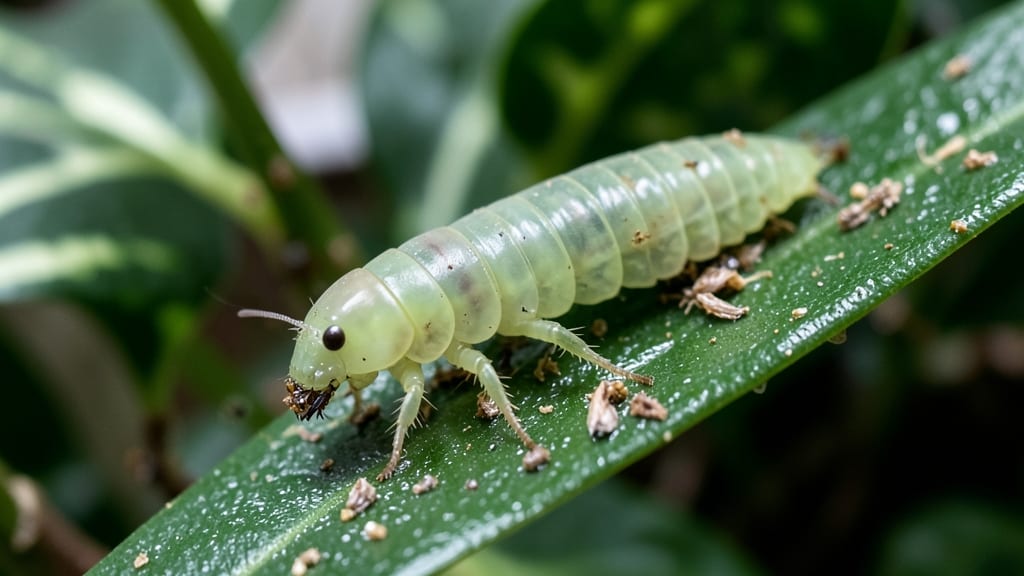
Neem oil spray can save your indoor plants from aphids in just 24 hours—no harsh chemicals needed. 🌿 I’ve battled these tiny pests on everything from ferns to fiddle-leaf figs, and this method works every time without harming your plants or your family.
The key is neem oil’s natural ability to smother aphids while being gentle enough for indoor use. You’ll need just 3 simple ingredients: neem oil, water, and a drop of dish soap (the kind without fragrances). Mix it right, and you’ll see those sticky pests vanish within a day.
By the next morning, your plants will look refreshed, with new growth pushing out where the aphids once clung. The best part? This spray doubles as a preventative—just reapply every 2 weeks to keep future infestations at bay.
Works on all common indoor plants, from succulents to tropicals. Here’s exactly how to make it work for your space.
What Draws Aphids Indoors
Aphids don’t just randomly invade your indoor plants—they’re drawn by specific conditions and cues that make your home feel like an all-you-can-eat buffet. Understanding these triggers is the first step to stopping them before they become a full-blown infestation.
Let’s break down the real reasons these tiny pests show up uninvited.
Aphids are opportunistic feeders, and stressed or weak plants are their favorite targets. Here’s why:
- High Sugar Content: When plants are under stress (from overwatering, underwatering, or poor soil), they produce more sugars in their sap as a survival mechanism.
Aphids love this sweet, nutrient-rich liquid—it’s like a fast-food meal for them. - Soft New Growth: Young, tender leaves and shoots are easier for aphids to pierce with their needle-like mouthparts.
If your plant is rapidly growing (a sign of thriving but also vulnerability), it’s a red flag. - Lack of Natural Defenses: Healthy plants produce sticky resins or waxy coatings that deter pests. Stressed plants? They’re basically wearing a "Welcome" sign.
💡 Pro Tip: Rotate your plants regularly to ensure even light exposure and reduce stress spots. Aphids often target the most vulnerable areas first.
Aphids thrive in humid, stagnant environments—think of them as the couch potatoes of the insect world. Here’s how your setup might be inviting them:
- High Humidity: Aphids prefer environments with 60–80% humidity. Bathrooms, kitchens, or rooms with poor airflow (like a sunroom with closed windows) create the perfect breeding ground.
They also struggle in dry air, so if your home is too arid, they might avoid it—but if it’s too humid, they’ll party like it’s 1999. - Lack of Air Circulation: Stagnant air traps moisture and pests.
If your plants are packed tightly together, aphids can spread from one to another without detection. They also dislike drafts—so a gently oscillating fan can be a natural deterrent. - Dust and Debris: Dusty leaves or soil buildup can harbor aphids and their eggs.
These pests love hiding in crevices where sprays can’t reach, giving them a safe haven to multiply.
🌡️ Quick Fix: Use a small fan on low speed near your plants to improve airflow. Aim for 40–60% humidity—a hygrometer can help you monitor levels.
You might not notice it, but aphids and ants have a symbiotic relationship—one that can turn your plant into a pest paradise.
- Honeydew Attraction: Aphids excrete a sticky, sugary substance called honeydew as they feed.
This liquid is a magnet for ants, which "farm" aphids by protecting them from predators (like ladybugs) in exchange for a steady snack. - Ant Highways: If you spot ants trailing up your plant stems, they’re likely herding aphids.
These ants will move aphids to new plants like a grocery delivery service, turning a small problem into a colony. - Secondary Pests: Honeydew also attracts sooty mold (a black, fuzzy fungus) and other insects like flies, creating a cascading pest problem.
✨ Game Changer: Disrupt the ant-aphid bond by wiping down stems with soapy water or using diatomaceous earth near ant trails. Ants avoid this powder, breaking their "aphid farm" business model.
Even the most cautious plant parents can accidentally introduce aphids through new purchases or soil. Here’s how:
- Infested Cutting or Leaves: Aphids can hide in the undersides of leaves, stems, or even in the soil of potted plants.
If you’re propagating or buying new plants, they might already be hitching a ride. - Contaminated Potting Mix: Soil from nurseries or outdoor sources can contain aphid eggs or nymphs.
These pests are tiny (as small as 0.5mm) and easy to miss during inspection. - Water Sources: If you reuse water from outdoor plants (like rainwater barrels) or tap water from areas with aphid infestations, you might be unknowingly transporting them indoors.
🔍 Prevention Hack: Quarantine new plants for 2–4 weeks before introducing them to your collection. Inspect leaves (especially undersides) and rinse soil with water to flush out hidden pests.
Aphids are cold-blooded, meaning they’re highly sensitive to temperature changes. Indoors, you might unknowingly create the perfect climate for them:
- Warmth Without Sunlight: Aphids love moderate warmth (65–75°F) but hate direct sunlight.
If your home is warm but your plants are shaded (e.g., near a heater or in a north-facing room), aphids will thrive while your plants weaken from lack of light. - Seasonal Migrations: In cooler months, outdoor aphids may seek shelter indoors, especially if your home has cracks in windows, doors, or vents.
Even a small gap can be an invitation. - Heating Vents as Highways: Warm air rising from vents can carry aphids (or their eggs) from one room to another. If you’ve noticed aphids in multiple spots, trace their path to a potential entry point.
🏡 Home Audit: Seal gaps around windows, doors, and vents with caulk or mesh screens. Keep indoor temps consistent—aphids dislike sudden drops below 50°F.
Quick Fixes for Aphid-Infested Indoor Plants
Aphids may seem like a tiny nightmare, but don’t worry—your indoor plants can bounce back with the right approach. Below, we’ve mapped out practical, step-by-step solutions based on the most common causes of infestations.
Whether it’s overcrowding, weak plants, or pests hitching a ride from new additions, we’ve got you covered. Plus, we’ll share prevention tips to keep aphids from crashing your green oasis again.
Weak or overcrowded plants are aphid magnets because they’re easier to feed on and harder to spot. Here’s how to revitalize your plants and deter aphids naturally:
🔥 Step 1: Prune & Thin Out Foliage
- Trim affected leaves (especially yellowing or curled ones) with clean scissors or pruning shears.
- Remove heavily infested stems at the base to prevent the spread.
- Space out plants—aphids thrive in tight clusters where humidity lingers.
🍳 Step 2: Boost Plant Health with Nutrients
Aphids target stressed plants, so feed your greens right:
- Fertilize lightly with a balanced, water-soluble fertilizer (like 10-10-10) to strengthen roots and leaves.
- Avoid overwatering—aphids love soggy soil.
Let the top inch dry out between waterings. - Add compost or worm castings to improve soil drainage and nutrient uptake.
👨🍳 Pro Tip: Introduce Beneficial Insects
Ladybugs, lacewings, and parasitic wasps devour aphids like all-you-can-eat buffets. Buy them online or attract them with:
- Nectar-rich flowers (like marigolds or dill) near your plants.
- Aphid-infested leaves left outside to lure predators.
If aphids hit after bringing home a new plant, act fast to contain the outbreak.
🔪 Step 1: Quarantine the New Addition
- Separate the suspect plant from others for 2–4 weeks.
- Inspect all leaves, stems, and soil under a bright light (use a magnifying glass if needed).
- Wipe down leaves with a soapy water solution (1 tsp mild dish soap + 1 quart water) using a soft cloth.
⏰ Step 2: Monitor & Treat
- Check daily for new aphid activity. If they’re still there after a week, treat with neem oil (see below).
- Avoid placing new plants near healthy ones until you’re sure they’re clean.
💡 Prevention Tip: Shop Smart
- Buy from reputable nurseries that inspect plants before sale.
- Rinse new plants in the shower before bringing them indoors.
- Check the undersides of leaves—aphids love to hide there!
Aphids excrete honeydew, a sticky sap that attracts mold (sooty mold) and ants. Break the cycle with these steps:
🧼 Step 1: Wipe Down Leaves
- Mix 1 tsp neem oil + 1 tsp mild castile soap + 1 quart water in a spray bottle.
- Spray or wipe leaves (especially undersides) with this solution.
- Repeat every 3–5 days until aphids disappear.
🎯 Step 2: Trap Ants (They Farm Aphids!)
Ants protect aphids because they feed on honeydew.
Disrupt their relationship with: - Diatomaceous earth (DE) around the pot’s base (food-grade only!). - Sticky traps near windows or doors where ants enter. - Cinnamon or clove oil (ants hate these—spritz along baseboards).
✨ Pro Tip: DIY Aphid Trap
- Fill a shallow dish with soapy water and place it near infested plants.
- Aphids will fall into it and drown—check and refresh daily.
Once you’ve kicked aphids to the curb, lock them out for good with these habits:
| Prevention Tip | How to Do It |
|---|---|
| Regular Inspections | Check plants weekly (especially new growth and leaf undersides). |
| Good Airflow | Space plants 2–3 inches apart to reduce humidity. Use a small fan if needed. |
| Healthy Soil | Use well-draining pots and avoid compacted soil. |
| Natural Repellents | Spritz plants with garlic or chili pepper spray (1 crushed garlic clove + 1 tsp cayenne + 1 quart water). |
| Rotate Plants | Move plants quarter-turn weekly to ensure even sunlight (aphids love shade). |
Final Thought: Aphids are a nuisance, but with consistent care and quick action, your indoor plants can stay aphid-free. Start with one fix (like neem oil or pruning), then layer in prevention tips.
Before you know it, your green babies will be thriving—and aphids will be history! 🌿💪
Frequently asked questions
Why do aphids keep coming back even after I've treated my plants?
Aphids often return because their eggs or nymphs hide in protected areas like leaf undersides, soil, or plant crevices. Treatments like neem oil won't kill eggs, so repeat applications every 3-5 days for 2 weeks to break their life cycle. Also check for ants—they protect aphids in exchange for honeydew, so disrupt their relationship with diatomaceous earth near plant bases.
Can I use vinegar to get rid of aphids on my indoor plants?
White vinegar can help, but it's not the most effective solution for indoor plants. Mix 1 part vinegar with 3 parts water and spray directly on aphids, but avoid overuse—it can damage plant leaves. For better results, combine it with 1 teaspoon of dish soap to improve adhesion. Neem oil remains the gold standard for indoor use.
How do I know if my indoor plant has aphids before they become visible?
Watch for these early signs: Sticky residue on leaves (honeydew), curled or yellowing leaves, or tiny black specks (sooty mold). Check leaf undersides and new growth areas first—aphids love these spots. Use a magnifying glass if needed, as nymphs are microscopic. Prevention is key: inspect new plants immediately upon arrival.
Will commercial insecticides kill my indoor plants?
Most chemical insecticides are too harsh for indoor plants and can damage leaves or roots. Stick to natural solutions like neem oil, insecticidal soap, or horticultural oil. These target aphids while being safe for indoor environments. Always test any treatment on a small leaf area first to check for sensitivity.
What's the best way to prevent aphids from spreading to other houseplants?
Isolate infested plants immediately and clean your workspace thoroughly. Wipe down surfaces with 70% isopropyl alcohol, and wash your hands after handling affected plants. Use separate tools for healthy plants, and consider placing a tray of soapy water below infested plants to catch falling aphids. Quarantine new plants for 2-4 weeks before introducing them to your collection.