
Container Gardens
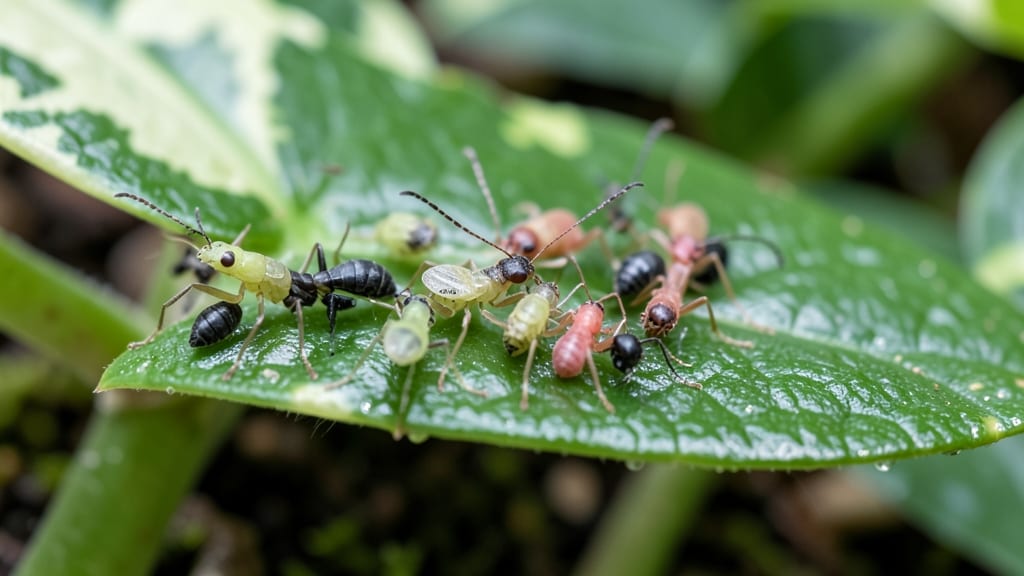
Aphids on indoor plants can turn lush leaves into sticky messes faster than you'd think. 🌿 The good news? A homemade spray using ingredients you likely already have can stop them in their tracks within a single day—no harsh chemicals needed.
I’ve battled these tiny pests on ferns, succulents, and even my stubborn money tree, and the secret lies in a foolproof mix of water, dish soap, and a natural oil. The spray disrupts their life cycle while being completely safe for your plants and pets.
No more wilting leaves or honeydew drips ruining your decor. By morning, you’ll see aphids dropping off like it’s raining pests. The plants recover quickly, and the solution keeps working as a preventive spray for weeks.
It’s the kind of fix that makes you feel like a plant superhero without any fancy equipment. Works for every common houseplant—from delicate ferns to tough succulents. Let’s get those leaves clean and your plants thriving again.
Root Causes Of Indoor Plant Pests
When aphids invade your indoor plants, it’s rarely a random event—these tiny sap-sucking pests thrive due to specific conditions you may unknowingly provide. Understanding why they show up is the first step to stopping them before they multiply into a full-blown infestation.
Below, we break down the real reasons aphids target your houseplants, backed by science and actionable insights.
Aphids are like unwanted party crashers—they’re drawn to plants that are already struggling. When your indoor plants are overcrowded, their leaves brush against each other, creating microclimates with higher humidity and trapped sugars (from nectar-like honeydew). This weakens the plant’s defenses and signals aphids that it’s an easy meal.
Additionally, stressed plants (from overwatering, underwatering, or poor soil) produce more volatile organic compounds (VOCs)—chemical signals that aphids detect from up to 10 feet away. Think of it like a distress flare for pests!
💡 Pro Tip: Space out plants to improve airflow, and avoid letting soil stay soggy. Aphids love a plant that’s already fighting for survival.
Healthy plants have natural predators (like ladybugs, lacewings, or parasitic wasps) that keep aphid populations in check. But when your indoor garden lacks biodiversity or beneficial insects, aphids move in unchecked.
Even worse, some common houseplant pesticides (like synthetic neonicotinoids) can kill off the good guys first, leaving your plants vulnerable.
Another factor? Monoculture—growing the same type of plant repeatedly. Aphids specialize in certain species (e.g., green peach aphids love ferns, while woolly aphids target citrus). If you have multiple identical plants, one infestation can spread like wildfire.
🌡️ Actionable Fix: Introduce companion plants like marigolds or basil (yes, indoors!) to attract predator insects. Even a small ladybug farm near your windowsill can work wonders.
Aphids aren’t just after your plants—they’re after the sugary sap inside them. Overwatering creates ideal conditions for soft, nutrient-rich growth that aphids adore. But here’s the kicker: aphids also excrete honeydew (a sticky, sugary waste), which attracts mold and sooty mold, further stressing your plant.
Even worse, fertilizer burns (from over-fertilizing) can make leaves more palatable to aphids. The high nitrogen content in fertilizers boosts leaf growth, but it also dilutes the plant’s natural chemical defenses.
✨ Quick Test: If your plant’s leaves are yellowing at the tips or feel mushy, you’re likely overwatering—aphids will take notice.
Aphids are cold-blooded (ectothermic), meaning they’re most active in warm, stagnant air—think bathrooms with poor ventilation or kitchens near the oven. Indoor heating in winter can dry out leaves, but high humidity in corners (like near a shower) creates the perfect breeding ground.
Studies show aphids reproduce faster in temperatures between 68–86°F (20–30°C). If your home stays in this range year-round, your plants are aphid magnets.
🔥 Solution: Use a small fan on low speed near your plants to disrupt their comfort zone. Even a dehumidifier in damp areas can deter them.
This is the #1 way aphids sneak into your home: hitchhiking on new plants. Nurseries, garden centers, and even online orders can unknowingly ship plants with tiny aphid eggs hidden in leaf folds or stems.
Since these eggs can stay dormant for months, you might not notice until it’s too late.
Worse, some soil mixes or potting materials may contain aphid-friendly fungi or bacteria that weaken your plant’s roots before you even repot.
🎯 Prevention Rule: Always quarantine new plants for 2–4 weeks in a separate room before introducing them to your collection.
Quick Fixes for Aphid Infestations
Aphids may seem like a tiny nightmare, but with the right approach, you can banish them from your indoor plants in no time. Below are practical, organic solutions tailored to the root causes of your aphid problem—whether it’s overcrowding, weak plants, or poor hygiene.
Each method is designed to work fast while keeping your plants (and your home) chemical-free.
Aphids thrive where plants are weak or packed too closely. Strengthen your greenery to make it less appealing to these pests.
🌱 Prune and Space Out Plants
- Why it works: Aphids love hiding in dense foliage.
Proper airflow and spacing reduce their hiding spots and discourage infestations. - How to do it: - Trim back overgrown leaves or leggy stems to improve airflow. - Separate plants that are touching—aim for at least 2–3 inches of space between leaves. - Remove yellowing or dying leaves immediately (they attract pests).
💡 Pro Tip:
🌡️ Isolate new plants for 2–3 weeks before introducing them to your indoor garden. Aphids often hitch a ride on fresh purchases!
Aphids target plants that are starving for nutrients, especially nitrogen. A quick boost can make your plants less tempting.
🥗 Fertilize with a Balanced Organic Mix
- Why it works: Healthy plants produce sticky sap (honeydew), which aphids love—but they hate the taste of strong, nutrient-rich leaves.
- How to do it:
- Use a fish emulsion or seaweed fertilizer (high in nitrogen and micronutrients).
- Dilute to half-strength and apply every 2 weeks during active growth.
- Avoid over-fertilizing—this weakens roots and attracts more pests.
💡 Pro Tip:
✨ Compost tea is a powerhouse! Brew it at home (steep compost in water for 24–48 hours, strain, and spray). It repels aphids while feeding your plants.
Aphids adore sticky, dusty surfaces where they can lay eggs undetected. A quick wipe-down disrupts their life cycle.
🧼 Wipe Down Leaves with Soapy Water
- Why it works: Aphids can’t grip soapy surfaces, and the act of wiping removes eggs and adults.
- How to do it:
- Mix 1 tsp mild castile soap (like Dr. Bronner’s) or dish soap in 1 quart of water.
- Dip a soft cloth or sponge in the solution and gently wipe both sides of leaves.
- Focus on undersides (aphids love hiding there!) and new growth.
- Rinse with clean water after 1 hour to avoid soap buildup.
💡 Pro Tip:
🔪 Use a hose attachment (even indoors!) for larger plants. The forceful water washes away aphids and eggs—just be gentle with delicate foliage.
If aphids are already established, ladybugs, lacewings, or parasitic wasps can eat them faster than you can say “organic spray.”
🐞 Introduce Beneficial Insects
- Why it works: These predators devour aphids but won’t harm your plants.
- How to do it:
- Buy ladybug larvae or adult ladybugs online or from garden centers.
- Release them in the evening (they’re sensitive to sunlight).
- For lacewings, place egg cards near infested plants—they’ll hatch and hunt aphids.
- Parasitic wasps (like Aphidius colemani) lay eggs inside aphids; they’re invisible but highly effective.
💡 Pro Tip:
🎯 Avoid pesticides for 24–48 hours before introducing predators—they’ll kill the “good guys” too!
If aphids are spreading fast, a homemade spray can knock them out overnight.
🍋 Garlic & Chili Pepper Spray (Aphids Hate It!)
- Why it works: The sulfur in garlic and capsaicin in chili repel aphids while being safe for plants.
- Recipe:
- Blend 4 garlic cloves + 1 tbsp cayenne pepper with 1 quart of water.
- Strain, add 1 tsp soap, and spray directly on aphids (focus on undersides).
- Reapply every 3–4 days until gone.
💡 Pro Tip:
🌡️ Test the spray on a small leaf first—some plants (like succulents) may be sensitive to chili.
Once you’ve kicked them out, stop them from coming back with these long-term strategies:
- 🌿 Inspect new plants under a magnifying glass before bringing them inside.
- 🚿 Mist plants regularly—aphids dislike humidity (but don’t overdo it; some plants hate soggy leaves).
- 🍃 Use reflective surfaces (like aluminum foil wrapped around pots) to confuse aphids (they avoid shiny areas).
- 🌱 Rotate plants occasionally so all sides get even light and airflow.
- 🐝 Encourage pollinators (like bees and hoverflies) that eat aphids—even indoors with window boxes!
Final Thought: Aphids may be pesky, but with quick action and prevention, you can keep your indoor plants aphid-free and thriving—without harsh chemicals. Try one (or all!) of these methods and watch your green babies bounce back! 🌱✨
Frequently asked questions
Can I use dish soap to kill aphids on my indoor plants?
Yes! A mild solution of 1 teaspoon dish soap per quart of water is one of the safest ways to eliminate aphids. The soap disrupts their protective coating and suffocates them. Just be sure to use a gentle soap (like Dawn) and rinse leaves after 1 hour to prevent residue buildup.
Will neem oil work on aphids, and how do I apply it?
Neem oil is a powerful natural repellent. Mix 1 teaspoon neem oil + 1 teaspoon mild soap in 1 quart of water, then spray directly on aphids (especially undersides of leaves). Reapply every 5-7 days until they disappear. It’s safe for most plants but test on a small area first.
Why do aphids keep coming back after I treat my plants?
They might be returning from hidden eggs or reinfesting from nearby plants. Check undersides of leaves, stems, and soil for eggs. Also, ensure you’re treating all affected plants simultaneously and improving airflow between them. Aphids thrive in crowded, humid conditions.
Are there any indoor plants that aphids avoid?
Aphids rarely target succulents, cacti, or plants with fuzzy/hairy leaves (like lamb’s ear). They prefer soft, tender foliage. However, no plant is completely immune—aphids can still infest even these if conditions are right. Regular inspections are key!
How do I know if my aphids are still there after treatment?
Look for sticky residue (honeydew) on leaves, new aphid clusters, or curled/weakened leaves. Use a magnifying glass to check undersides and stems. If you see any signs, repeat treatment—aphids reproduce quickly, so persistence is crucial!