
Container Gardens
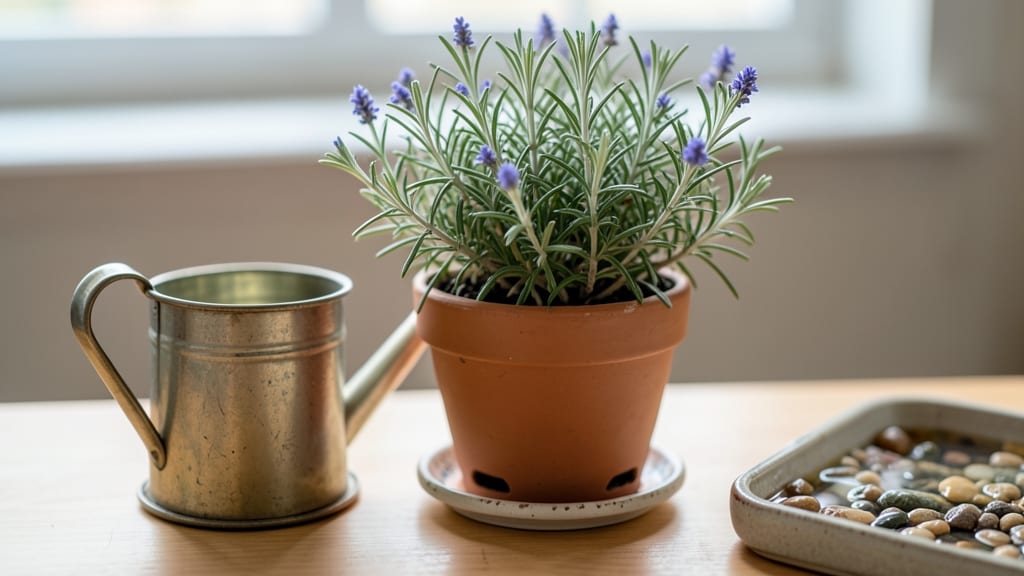
Caring for rosemary indoors transforms your kitchen into a fragrant herb haven—if you nail the light and pruning. 🌿 I’ve killed more rosemary than I’d like to admit, but these tricks keep mine thriving year-round, with lush green needles and a scent that lingers long after harvest.
The secret? Mimicking its Mediterranean roots with bright light and strategic cuts that encourage bushiness.
Start with a 6-inch pot and well-draining soil—rosemary hates soggy roots. Place it near a south-facing window or under a grow light for 6+ hours daily. Water only when the top inch of soil is dry; overwatering is the #1 killer.
Prune leggy stems back by ⅓ in spring to encourage dense growth, and pinch new growth to keep it compact.
By summer, your rosemary will be thriving with woody stems and vibrant foliage, ready for snipping. The key is consistency: bright light, infrequent watering, and regular pruning. Even if it looks sad at first, rosemary bounces back faster than most herbs—just give it time and attention.
This method works for any indoor space, from sunny kitchens to north-facing offices. Once you master it, you’ll never buy rosemary again. Here’s how to keep yours lush all year.
📚 In This Guide
- What you need
- Instructions
- Tips and common mistakes
- Wrapping up and next steps
What you need
- ● Rosemary plant: A healthy, potted Rosmarinus officinalis (choose a dwarf variety like 'Blue Spires' or 'Prostratus' for indoor spaces).
- ● Container: A pot with drainage holes (6–8 inches wide for mature plants). Terracotta or ceramic works best.
- ● Well-draining potting mix: A blend of cactus/succulent mix (60%) and perlite or coarse sand (40%) to prevent root rot.
- ● Pruning shears: Sharp, clean scissors or small pruners (sterilize with rubbing alcohol before use).
- ● Watering can with a narrow spout: For precise hydration without oversaturating the soil.
- ○ Grow lights (optional but recommended): A full-spectrum LED grow light (12–16 inches above the plant) for 6–8 hours daily if natural light is limited.
- ● Humidity tray: A shallow tray with pebbles and water to boost moisture in dry indoor air.
- ● Fertilizer: A balanced, water-soluble fertilizer (diluted to half-strength) for occasional feeding (spring–fall).
- ● Support stake or trellis: For upright varieties to maintain shape.
- ● Spray bottle: For misting leaves if your home is very dry.
- ● Glove: To protect your hands from rosemary’s prickly stems.
Step-by-Step guide to cultivating thriving indoor rosemary
Here's how I keep rosemary lush, fragrant, and productive year-round—no green thumb required.
🪴 Step 1: Select the Right Container and Drainage
Rosemary thrives in pots with drainage holes—waterlogged roots cause root rot faster than you'd think. I use unglazed terra cotta because it breathes and helps regulate moisture. If your pot lacks holes, drill 2-3 additional ones along the sides near the bottom. Line the bottom with ½ inch of gravel or perlite to create a reservoir for excess water.
Choose a container that's at least 12 inches deep for mature plants—rosemary has a taproot that needs room to establish. For multiple plants, space them 6-8 inches apart to prevent competition. The wider the container, the better the airflow around stems, which reduces fungal risks.
☀️ Step 2: Position for Maximum Light Exposure
Rosemary demands full sun—6+ hours of direct light daily. A south-facing window is ideal, but east or west exposures work too. If your space lacks bright light, supplement with a grow light positioned 4-6 inches above the plant for 12-14 hours daily. You'll know it's not enough light when new growth stretches leggy and pale—this is rosemary's way of begging for more photons.
Rotate the pot a quarter turn weekly so the plant grows evenly. I notice this makes a huge difference in preventing lopsided growth. If leaves start yellowing at the edges, it's often a sign of too much light—move it back 1-2 feet from the window immediately.
💧 Step 3: Master the Watering Routine
Rosemary hates soggy soil—water only when the top 2 inches of soil feel completely dry. Stick your finger in; if it comes out clean, it's time. I water deeply at the base until water runs out the drainage holes, then empty the saucer 10 minutes later to prevent root suffocation. Overwatering is the #1 killer of indoor rosemary—trust me, you'll see wilting stems within days if you drown it.
In winter, reduce watering to every 7-10 days—cooler air and lower light mean the plant needs less. If the soil stays damp for more than 3 days, you're overdoing it. A humidity tray with pebbles and water (not touching the pot) helps maintain moisture without drowning roots.
✂️ Step 4: Prune for Bushier Growth and Fragrant Harvests
Prune 2-3 times a year to encourage dense, bushy growth. Use clean, sharp pruners to cut just above a leaf node (where leaves meet the stem). Remove woody stems at the base—these won't regrow. I prune right after flowering to redirect energy into new growth rather than seed production. You'll see new shoots emerge within 2-3 weeks—this is your reward for pruning.
Harvest sprigs from the top third of the plant to maintain shape. Never take more than ⅓ of the plant at once. If you notice bare stems at the bottom, it's time to propagate cuttings—dip in rooting hormone, plant in moist soil, and cover with a plastic bag until roots form (about 4-6 weeks).
🌿 Step 5: Fertilize and Maintain Year-Round
Feed once in early spring with a balanced liquid fertilizer (10-10-10) diluted to half strength. Rosemary is not a heavy feeder, so too much fertilizer causes salt buildup in the soil. I skip fertilizing in winter—the plant's growth slows naturally. Flush the soil every 3 months with plain water to prevent mineral accumulation.
Watch for pests like spider mites—they love dry indoor air. Wipe leaves with a neem oil solution (1 tsp oil + 1 quart water) if you spot webbing. I also mist the leaves weekly in winter to boost humidity. If rosemary drops leaves suddenly, it's often a cold draft—keep it away from AC vents or drafty windows.
Tips & tricks for perfect indoor rosemary care
Between us, these small adjustments will transform your rosemary from a struggling houseplant into a thriving, fragrant powerhouse.
Container Depth Matters: That 12-inch minimum depth in Step 1 isn't arbitrary—rosemary's taproot needs space to anchor properly. If you're using a shallower pot, the plant will become top-heavy and unstable. I've seen rosemary plants topple over when their roots get cramped, and it's heartbreaking to watch. For extra stability, fill the bottom third of the pot with ½ inch of gravel or perlite before adding soil—this creates better aeration and prevents compaction that suffocates roots.
Light Rotation Secret: The weekly quarter-turn rotation in Step 2 prevents lopsided growth by ensuring all sides receive equal light exposure. Here's what I learned the hard way: if you skip this, your rosemary will grow toward the light source, creating a permanent lean. For even growth, I set a reminder on my phone every Sunday morning—it takes less than 30 seconds but makes a world of difference in how balanced your plant looks.
Pruning Timing: The instructions mention pruning 2-3 times a year, but I've found the best time is actually right after flowering—this is when the plant's energy shifts from producing flowers to preparing for new growth. After pruning at this stage, I notice new shoots emerge within 2-3 weeks (as mentioned in Step 4), but the key is to prune just above a leaf node—this is where the plant's growth hormones are most active. If you cut too far above the node, you'll end up with bare stems.
Fertilizer Strategy: The once-in-early-spring feeding in Step 5 works perfectly, but here's my upgrade: I mix the diluted 10-10-10 fertilizer with water in a spray bottle and mist the soil surface rather than pouring it directly. This prevents salt buildup at the soil surface, which can burn rosemary roots. After fertilizing, I always flush the soil with plain water after 3 months to prevent mineral accumulation—this keeps the roots healthy and happy for years.
Pro Tips for Care For Rosemary Indoors
- Between us, these small adjustments will transform your rosemary from a struggling houseplant into a thriving, fragra...
- Container Depth Matters: That 12-inch minimum depth in Step 1 isn't arbitrary—rosemary's taproot needs space to ancho...
- Light Rotation Secret: The weekly quarter-turn rotation in Step 2 prevents lopsided growth by ensuring all sides rece...
Frequently asked questions
Got questions about keeping rosemary thriving indoors? Here are answers to the most common concerns—so you can enjoy fresh herbs year-round without the guesswork!
Can rosemary survive indoors long-term?
Yes! With the right care—bright light, well-draining soil, and occasional pruning—rosemary can thrive indoors for years. Just mimic its Mediterranean roots: keep it in a sunny spot (south or west-facing window) and avoid soggy soil.
How often should I prune my indoor rosemary?
Prune lightly every 4–6 weeks to encourage bushiness, but avoid cutting more than ⅓ of the plant at once. Focus on leggy stems or overcrowded areas. Pro tip: Trim just above a leaf node (where leaves meet the stem) for the best regrowth.
Why is my rosemary dropping leaves?
Leaf drop usually signals stress—check these culprits:
- Underwatering: Soil feels bone-dry; rosemary prefers slightly dry soil.
- Overwatering: Yellow leaves + mushy stems = root rot. Let soil dry completely between waterings.
- Low light: Leggy growth + bare stems? Move it closer to a window.
Can I grow rosemary from cuttings instead of buying a plant?
Snip a 4–6 inch stem with healthy leaves, strip the lower foliage, and dip the cut end in rooting hormone (optional). Place in moist potting mix, cover with a plastic bag (to retain humidity), and keep in bright, indirect light. Roots form in 2–4 weeks!
How do I keep rosemary from tasting bitter indoors?
Bitter flavor often means stress—usually from too much shade or inconsistent watering. Boost flavor by:
- Placing it in the sunniest spot possible (grow lights work in a pinch).
- Harvesting regularly to encourage new, tender growth.
- Avoiding fertilizer (rosemary prefers lean soil).
Wrapping up and next steps
Caring for rosemary indoors is totally doable—just give it the right mix of sunlight, well-draining soil, and occasional pruning to keep it thriving. With these tips, your fragrant evergreen will reward you with lush growth and aromatic leaves year-round.
Now that you’re ready to master indoor rosemary care, why not expand your herb garden? Try growing basil or thyme next for a full kitchen herb lineup! 🌿✨