Container Gardens
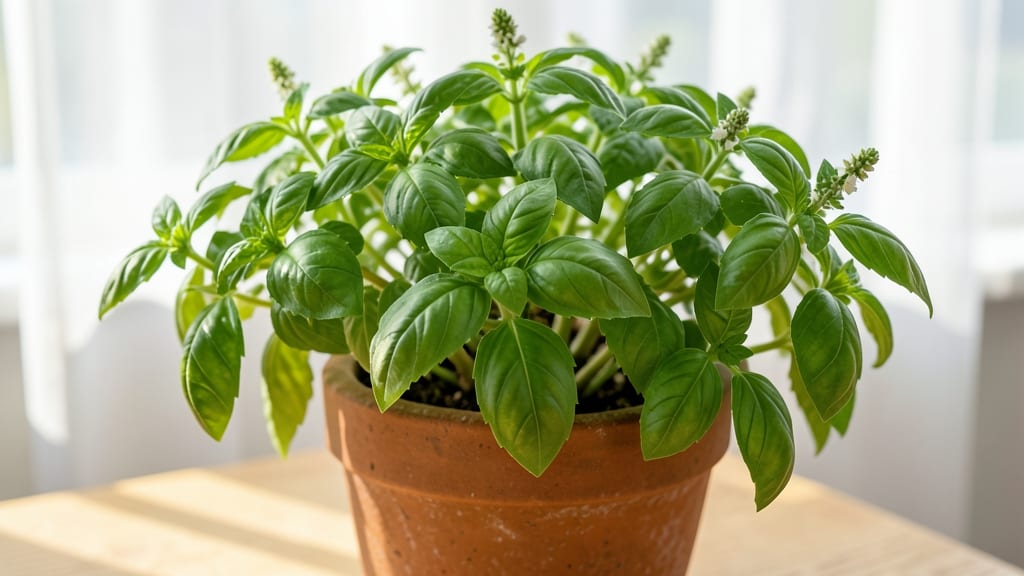
Growing basil in pots indoors transforms a sunny windowsill into a fragrant herb factory—no yard required. 🌱 I’ve grown basil this way for years, and the secret isn’t fancy equipment but matching light, soil, and water to what basil craves.
That first fresh leaf, snipped straight from your kitchen, tastes like summer magic. Start with a 6-inch pot (basil hates soggy roots) and well-draining potting mix—no garden soil needed. Place it where it gets 6+ hours of sunlight daily (south-facing windows or a grow light).
Water when the top inch of soil feels dry, but never let it sit in water. Overwatering kills basil faster than lack of light. By week 4, you’ll be pinching leaves for pesto, and the plant will stay productive for months with regular pruning.
The aroma alone makes it worth the effort—like a tiny Italian garden on your counter. Just avoid these rookie mistakes: overcrowding, cold drafts, and skipping pruning. Works in apartments, kitchens, or even bathrooms with good light. Here’s how to keep it thriving all year.
📚 In This Guide
- What you need
- Instructions
- Tips and common mistakes
- Wrapping up and next steps
What you need
- ● Pot(s): 1–2 containers (6–12 inches in diameter) with drainage holes. Tip: Terracotta pots wick moisture well, but plastic works too!
- ● High-quality potting mix: 1 bag (avoid garden soil—it compacts and drains poorly). Look for a lightweight, well-draining blend with perlite or vermiculite.
- ● Basil seeds or seedlings: 1 packet of seeds (or 2–3 young plants from a nursery). Pro tip: Seedlings sprout faster if you’re impatient!
- ● Watering can or spray bottle: A gentle stream prevents soil erosion.
- ● Grow lights: 1–2 LED bulbs (12–16 hours/day) if natural light is 💡 Full-spectrum LEDs mimic sunlight best!
- ● Fertilizer: Balanced liquid fertilizer (5-5-5 or organic options like fish emulsion). Dilute to half-strength for first 2–3 weeks.
- ● Pruning shears: Small, sharp scissors to trim stems and encourage bushiness.
- ○ Moisture meter: Optional but saves guesswork—aim for 40–60% soil moisture.
- ● Trays or saucers: To catch excess water and protect surfaces.
- ● Sunlight: A south- or west-facing windowsill (or grow lights). Basil loves 6+ hours of direct light daily.
- ● Temperature: Keep pots in a warm spot (60–75°F / 15–24°C). Basil hates drafts!
- ● Patience: Seeds take 7–14 days to sprout; seedlings may need 2–3 weeks to mature.
Step-by-step instructions for growing basil in pots indoors
Here’s how I grow bushy, flavorful basil indoors—no greenhouse needed.
🌱 Step 1: Choose the Right Pot and Soil Mix
Pick a pot at least 6 inches deep with drainage holes—basil roots need room to spread, and soggy soil kills them fast. I use terracotta pots because they breathe and wick away excess moisture. Fill the bottom third with perlite or coarse sand to improve drainage, then add a high-quality potting mix (never garden soil—it compacts and suffocates roots).
Press the soil down lightly with your fingers until it’s firm but not packed. The surface should feel slightly damp but not wet—like a wrung-out sponge. This prevents waterlogging while keeping roots happy. If your mix feels dry, mist it gently until just moist. Here’s the thing—basil hates soggy feet, so drainage is non-negotiable.
🌿 Step 2: Plant and Water for Germination
Drop 2-3 basil seeds (or a young seedling) into the center of the pot, about ¼ inch deep. Cover lightly with soil—just enough to hide the seeds. Water gently until the soil is evenly moist, but avoid soaking it. I like to use a spray bottle for this step because it mimics a gentle rain and prevents seed displacement.
Place the pot in a warm spot with bright, indirect light (a south-facing window works best). Keep the soil consistently moist—stick your finger in about 1 inch deep. If it feels dry, water lightly. You’ll see tiny sprouts in 7-14 days. Real talk: Don’t overwater now. Damping-off (a fungal disease) will turn your seedlings to mush overnight if the soil stays too wet.
☀️ Step 3: Provide Optimal Light for Growth
Once seedlings emerge, move them to the brightest spot you have—6+ hours of direct sunlight daily is ideal. If your windows aren’t sunny enough, supplement with a grow light placed 4-6 inches above the plants. Basil grows leggy and weak without enough light, so watch for stems stretching toward the window. That’s your cue to adjust.
Rotate the pot a quarter turn every few days so the plant grows evenly. You’ll notice leaves leaning toward the light? That’s normal—just turn the pot to balance growth. Basil thrives in 65-75°F temperatures, so avoid cold drafts or heat vents. If leaves yellow or wilt, it’s usually a light or water issue—check the soil moisture first.
💧 Step 4: Water and Fertilize for Bushy Growth
Water when the top inch of soil feels dry. Stick your finger in—if it’s damp, wait. Overwatering is the #1 killer of potted basil. I water from the bottom occasionally (place the pot in a tray of water for 10 minutes) to encourage deep root growth. Drain any excess water afterward—basil roots rot in standing water.
Feed your basil every 4-6 weeks with a balanced, water-soluble fertilizer (half-strength). I swear by fish emulsion—it’s gentle but effective. You’ll see new leaves popping up faster after fertilizing. Pinch off the top set of leaves when the plant is about 6 inches tall. This encourages bushier growth instead of a single tall stem. Trust me, it’s worth it.
✂️ Step 5: Harvest and Prune for Continuous Growth
Harvest leaves regularly to keep your basil productive. Snip stems just above a leaf node (where leaves meet the stem) with clean scissors. This promotes new growth and prevents the plant from flowering too soon—flowering makes basil taste bitter. Start harvesting when the plant has 4-6 true leaves, and you’ll get a steady supply all season.
If your basil flowers, pinch them off immediately. Flowering signals the end of the plant’s productive life. With proper care, your potted basil can thrive for months, giving you fresh leaves for cooking, teas, or pest-repellent sprays. And here’s the bonus: The more you harvest, the bushier it grows. It’s a win-win!
Tips & tricks for thriving indoor basil
Here’s what nobody tells you about keeping your potted basil lush and productive—without the guesswork.
Pot Selection Matters: While terracotta is ideal, any pot with drainage holes works. I’ve had great success with ceramic pots too, but avoid plastic—it traps moisture and can lead to root rot. If your pot lacks drainage, drill holes yourself (they’re easy to add) or place a layer of gravel at the bottom to prevent waterlogging. The key is keeping those roots happy and dry at the base.
Light Hack for Small Spaces: If your windows aren’t sunny enough, try placing your basil on a reflective surface like a white tray or aluminum foil-covered shelf. This bounces extra light onto the leaves, giving them more energy for growth. For extra boost, rotate your pot toward the light source every few hours—this prevents leggy growth and keeps the plant balanced. I’ve seen basil grow twice as fast with this simple trick!
Germination Secret: The 7-14 day germination window can feel like forever, but there’s a way to speed things up. After planting your 2-3 seeds, place a clear plastic bag over the pot (like a mini greenhouse) to trap moisture and warmth. Remove it once sprouts appear—this mimics the humid conditions seeds love. Just don’t forget to remove it or you’ll risk damping-off. Confession: I skipped this step for years and wondered why my seeds took forever to sprout!
Fertilizer Timing: The 4-6 week feeding schedule is perfect, but here’s the thing about fish emulsion—it’s strong stuff! Always mix it to half-strength (1 part fertilizer to 2 parts water) to avoid burning delicate basil roots. I also fertilize right after watering to prevent salt buildup in the soil. And if you notice yellow leaves after fertilizing, flush the soil with plain water to rinse out excess salts.
Pro Tips for Growing Basil In Pots Indoors
- Here’s what nobody tells you about keeping your potted basil lush and productive—without the guesswork.
- Pot Selection Matters: While terracotta is ideal, any pot with drainage holes works. I’ve had great success with cera...
- Light Hack for Small Spaces: If your windows aren’t sunny enough, try placing your basil on a reflective surface like...
Frequently asked questions
Got questions about growing basil indoors? You’re not alone! Here are some of the most common concerns—and their simple solutions—to help you cultivate lush, flavorful basil year-round.
How much sunlight does indoor basil really need?
Basil thrives on 6–8 hours of bright, direct sunlight daily. If natural light is scarce, supplement with a grow light (12–16 hours/day). South-facing windows or a sunny porch are ideal. Without enough light, leaves turn pale or leggy—adjust your setup to keep your basil happy!
How often should I water potted basil indoors?
Water when the top inch of soil feels dry (usually every 2–3 days). Overwatering is a common killer—ensure pots have drainage holes to prevent root rot. Check soil moisture with your finger, and reduce watering in cooler months when growth slows.
Can I grow basil indoors without a sunny window?
Use a full-spectrum LED grow light (like a T5 or fluorescent bulb) 6 inches above the plant for 12–14 hours/day. Place the light on a timer for consistency. Dwarf basil varieties (e.g., ‘Spicy Globe’) adapt better to lower light than tall types like Genovese.
Why are my basil leaves turning yellow or curling?
Yellow leaves often signal overwatering, underwatering, or pests. Check for:
- Brown edges: Underwatering or low humidity.
- Soft, mushy stems: Overwatering or poor drainage.
- Holes or sticky residue: Aphids or spider mites (spray with soapy water or neem oil).
When can I harvest basil from my indoor pot?
Harvest after 6–8 weeks when the plant has 6+ leaves. Pinch off the outer leaves or entire stems just above a leaf node to encourage bushiness. Avoid harvesting more than 1/3 of the plant at once—this keeps your basil thriving for months!
Wrapping up and next steps
Growing basil in pots indoors is a rewarding journey that brings fresh, aromatic herbs right to your kitchen—no green thumb required! 🌱 With the right sunlight hacks, containers, and care, you’ll enjoy a thriving plant that enhances meals and boosts your space with vibrant greenery.
Start small, stay consistent, and soon you’ll be harvesting leaves for pesto, pasta, or salads like a pro.
Ready to take the next step? Experiment with varieties, try companion planting, or even share your basil bounty with friends. Happy growing—your indoor garden awaits! 🌿