
How To
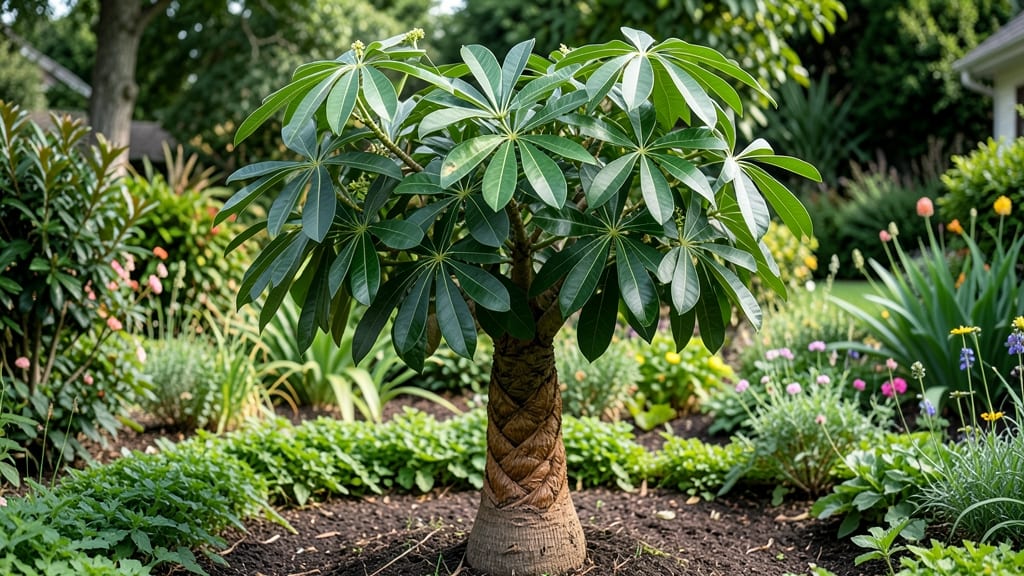
A money tree can grow indoors up to 10 feet tall if left unchecked, but with the right care, you can keep it compact and manageable for your space.
Picture this: your cozy living room suddenly feels like a jungle gym because your 🌿 Money Tree has shot up past your ceiling fan. I’ve been there, and trust me, it’s not the feng shui vibe you’re going for.
The good news? Height control isn’t just possible—it’s easier than you think.
Your money tree’s growth depends on three key factors: light exposure, pruning habits, and pot size. Too much light or a cramped container can send it skyrocketing, while strategic trimming and the right placement keep it at a manageable height—think bookshelf-level, not skyscraper.
In this guide, I’ll break down how tall your money tree can grow, how to rein it in, and the simple tricks to keep it lush and short-term—without sacrificing its lucky charm appeal.


Natural height range of money trees indoors: what to expect
Your money tree (Pachira aquatica) is a stunning tropical houseplant that can grow surprisingly tall indoors—sometimes reaching 6 to 10 feet with ideal conditions. However, its natural height depends on factors like light exposure, pot size, and pruning habits.
Without intervention, it may stretch upward rapidly, especially in bright, warm environments. Understanding these growth patterns helps you manage its size while keeping it healthy and lush.
The average height of a money tree indoors varies widely: a 1-year-old plant typically stands 1-2 feet tall, while a 3-year-old tree can reach 4-6 feet. By year 5, unpruned specimens may exceed 8 feet, especially if given plenty of light and nutrients.
The key to controlling its height lies in balancing its natural growth tendencies with proactive care.
Light exposure is the #1 factor determining how tall your money tree grows. In low-light conditions, it may grow slowly and leggy (reaching 3-5 feet in 3 years), while bright indirect light encourages faster vertical growth. Position your plant near an east or north-facing window to balance height and foliage density. Too much direct sunlight can scorch leaves, stunting growth entirely.
Pot size plays a surprising role in height control. Money trees grown in smaller containers (under 12 inches wide) tend to stay shorter because their roots become root-bound, limiting nutrient uptake and vertical expansion.
However, if left in the same pot for too long, the soil depletes nutrients, causing stress. Repot every 2-3 years or when roots circle the drainage hole to maintain healthy growth without excessive height spikes.
Humidity levels also affect growth patterns. Money trees thrive in 50-70% humidity, mimicking their tropical origins. In dry indoor air (common in homes with HVAC), they may grow slower and develop brown leaf tips, which can indirectly limit height.
Use a humidifier or place the pot on a pebble tray to encourage steady, balanced growth. Higher humidity supports lush foliage, which can make the tree appear fuller without excessive stretching.
Contrary to popular belief, there are no true dwarf varieties of Pachira aquatica, but you can mimic compact growth through regular pruning. Trimming the top 2-3 inches in early spring encourages bushier growth and prevents tall, spindly stems.
For a bonsai-like appearance, prune frequently and use smaller pots. Just remember: aggressive pruning stimulates new growth, so balance it with proper fertilization (use a 10-10-10 NPK blend every 4-6 weeks in spring/summer).
Temperature fluctuations can also impact height. Money trees prefer 65-80°F and struggle below 55°F, which slows growth. Drafty windows or AC vents can cause stunted growth or leaf drop, indirectly limiting height. Keep your plant away from cold drafts and maintain stable temperatures to ensure steady, healthy expansion.
If you notice yellowing leaves, it’s often a sign of temperature stress or overwatering—both of which can hinder vertical growth.
One common misconception is that money trees grow like bonsai trees naturally. In reality, their natural height indoors is 6-10 feet without intervention. To keep them small, you must prune regularly and use container restrictions.
Even then, they’ll grow taller over time unless you top them annually. For a permanent compact look, combine pruning with root pruning during repotting—this slows overall growth while encouraging a bushier shape.
If you’re aiming for a specific height, monitor your plant’s growth rate and adjust care accordingly. For example, a 2-foot-tall money tree in 2 years requires consistent pruning and a small pot.
Track its growth by measuring it every 3 months and adjust light, water, or fertilizer as needed. With patience and the right techniques, you can enjoy a lush, manageable money tree that fits your space perfectly.
Remember, the goal isn’t to stunt growth but to guide it. A healthy money tree will always grow—it’s about
5 Proven tricks to keep your money tree short and bushy
If your money tree (Pachira aquatica) is stretching toward the ceiling like a skyscraper, don’t panic—you can easily guide its growth with simple techniques. The key is to combine pruning, root management, and light control to encourage bushiness instead of height.
These methods work for both braided and standard varieties, ensuring your plant stays at your desired height while staying lush and healthy.
First, understand that money trees grow tall naturally—up to 6-10 feet indoors if left unchecked. But with the right approach, you can keep it compact, even in small spaces.
The best time to start is during the spring and summer growing season, when your plant is most responsive to pruning and adjustments. Let’s dive into the top tricks to keep your money tree short and full.
- 1. Prune at the Right Time – Trim just above a leaf node in spring or early summer for bushier growth.
- 2. Use the Topping Method – Cut the top stem to 1/3 of its height to force new branches.
- 3. Repot When Root-Bound – Choose a smaller pot to slow vertical growth and encourage root density.
- 4. Pinch New Growth – Remove top 2-3 leaves on young stems to redirect energy to side branches.
- 5. Limit Fertilizer in Fall/Winter – Reduce feeding to once every 8-12 weeks to slow growth during dormancy.
Start with pruning, which is the most direct way to control height. Use clean, sharp bypass pruners to make cuts just above a leaf node—this is where new branches will sprout.
For a dramatic change, try the topping method: cut the main stem down to about one-third of its current height. This shock will trigger your money tree to produce multiple side shoots, creating a fuller, bushier appearance.
Another game-changer is root-bound management. Money trees grow faster when their roots are crowded, so repotting into a smaller pot (just 1-2 inches larger in diameter) can slow vertical growth. Always use a pot with drainage holes and fresh, well-draining potting mix to prevent root rot.
If your plant is already in a large container, gently trim circling roots during repotting to encourage outward growth instead of upward.
Don’t forget about light exposure—too much bright light can cause stretching, while too little leads to leggy growth. Place your money tree near an east or north-facing window for bright indirect light.
If you notice yellowing leaves or elongated stems, it’s a sign your plant needs adjusted lighting. Rotate the pot occasionally to ensure even growth on all sides, which also helps maintain a balanced shape.
Finally, adjust your fertilizing schedule to control growth. During spring and summer, feed every 4-6 weeks with a balanced fertilizer (10-10-10) to encourage lush foliage. But in fall and winter, reduce feeding to once every 8-12 weeks or skip it entirely.
This slows growth during dormancy, preventing your money tree from shooting up unexpectedly when spring arrives.
With these tricks, your money tree will stay short, bushy, and thriving—perfect for small spaces or as a statement piece without dominating your room. The key is consistency: prune regularly, monitor root growth, and adjust care based on your plant’s response. Happy growing! 🌿