
Container Gardens
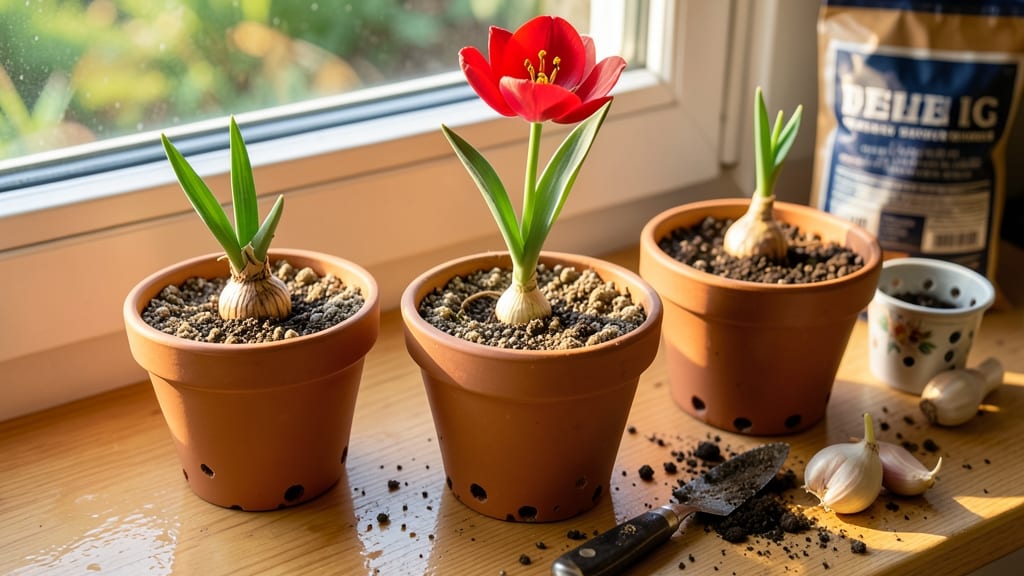
Growing tulips in pots indoors means waking up to bright blooms when your yard is still buried under snow. 🌱 I’ve forced tulips in pots for five winters now, and the secret isn’t complicated—it’s about light, timing, and the right variety.
Last year, my kitchen table became a parade of purple, pink, and white tulips that lasted for weeks.
The trick starts with paperwhite tulips or Darwin Hybrid tulips—they’re the most reliable for indoor forcing. You’ll need a pot with drainage holes (at least 6 inches deep), a mix of potting soil and sand for aeration, and a cool, dark spot for the first six weeks.
No fancy equipment—just patience and a sunny windowsill later on.
By mid-winter, you’ll see those first green shoots pushing through the soil, followed by buds that swell into full blooms. The fragrance alone makes it worth the effort—imagine that sweet, fresh scent filling your home when everything outside is dormant.
Plus, you can reuse the same pot next year with a little extra care.
Even if your stems get leggy or the blooms stay stubborn, there’s always a fix. We’ll cover how to adjust light, watering, and even what to do with the pot after the flowers fade. Let’s get those tulips blooming indoors!
Why it happens
Indoor tulips can be finicky, especially when grown in pots—even with bright light mastery! 🌱💡 The key to success lies in understanding why these blooms might fail to thrive. Let’s break down the science behind the most common issues and why they derail your indoor tulip dreams.
🌡️ Temperature Fluctuations: The Silent Growth Killer
Tulips are cool-season plants that naturally experience temperature swings in outdoor gardens. Indoors, however, consistent warmth (above 70°F or 21°C) can trick them into thinking it’s summer, halting bulb formation and causing weak stems. Here’s why:
- Metabolic Slowdown: Tulips require a cool period (40–50°F or 4–10°C) to break dormancy and trigger flowering. Indoor heat disrupts this cycle, leading to leggy, floppy stems or no blooms at all.
- Ethylene Gas Buildup: Warm, stagnant air (common in cozy homes) increases ethylene, a plant hormone that accelerates aging. This causes premature wilting or browning of leaves.
- Root Stress: Pots indoors often trap heat at the roots, mimicking a heatwave. Roots struggle to absorb water and nutrients, leading to yellowing leaves or stunted growth.
Actionable Fix: Place pots in a cool, bright spot (like a north-facing window or a basement with natural light). Use a thermometer to monitor temps—aim for 60–65°F (15–18°C) during growth.
💧 Water Woes: The Drowning or Dehydration Dilemma
Tulips hate wet feet but also dry spells. Indoor pots create a perfect storm of moisture mismanagement because:
- Overwatering Risks: Pots drain faster than garden soil, but if you overcompensate, excess water displaces oxygen in the roots, causing root rot (a fungal infection that turns roots mushy and black).
- Underwatering Risks: Indoor air is often drier (thanks to heating/AC), and small pots dry out quickly. This triggers wilting or bud blast (when flowers drop before opening).
- Salt Buildup: Tap water contains minerals that accumulate in pots over time, creating a salty crust on soil. This blocks water absorption, leading to nutrient deficiencies (e.g., chlorosis—yellowing leaves with green veins).
Actionable Fix:
- Use well-draining soil (mix potting mix with perlite or sand for aeration).
- Water only when the top inch is dry—stick your finger in the soil to check!
- Flush the pot monthly with rainwater or distilled water to prevent salt buildup.
☀️ Light Limitation: The Brightness Blind Spot
Tulips need 12–16 hours of light daily to bloom, but indoor conditions often fall short. Here’s how poor light sabotages growth:
- Stretched, Weak Stems: Without enough light, tulips etiolate—they grow tall and spindly in a desperate bid for sunlight, making them top-heavy and prone to falling over.
- Bud Abortion: Insufficient light stops flower formation entirely. The plant prioritizes leafy growth over blooms, leaving you with green stalks and no tulips.
- Chlorophyll Deficiency: Low light reduces photosynthesis, leading to pale, weak leaves that can’t support the energy demands of blooming.
Actionable Fix:
- Place pots in the brightest window (south or west-facing is ideal).
- Supplement with a grow light (LED or fluorescent) for 14 hours/day if natural light is lacking.
- Avoid direct hot sun (e.g., south-facing windows in summer)—it can scorch leaves.
🌱 Nutrient Neglect: The Hidden Starvation
Potted tulips deplete soil nutrients faster than outdoor beds because:
- Limited Soil Volume: Small pots hold less organic matter, so nutrients like phosphorus (P) and potassium (K) (critical for blooming) are exhausted quickly.
- Competition for Resources: Without a large root system, tulips can’t access nutrients deep in the soil, leading to stunted growth or small, weak flowers.
- Over-Fertilization Backlash: Too much nitrogen (N) promotes leafy growth at the expense of flowers, while lack of micronutrients (like magnesium or iron) causes yellowing between veins.
Actionable Fix:
- Use a balanced fertilizer (e.g., 10-10-10) every 3–4 weeks during the growing season.
- Add compost or worm castings to the soil at planting for slow-release nutrients.
- Avoid fertilizing after blooming—let the plant rest to replenish bulb energy for next year.
🌬️ Airflow Issues: The Stagnant Air Trap
Indoor spaces often have poor circulation, which creates problems for tulips:
- Fungal Diseases: Stagnant air increases humidity around leaves, creating the perfect conditions for powdery mildew or botrytis blight (gray mold on buds).
- Pest Attraction: Low airflow encourages spider mites or aphids, which weaken the plant by sucking sap from leaves.
- Heat Stress: Without airflow, pots can overheat, especially near radiators or vents, causing leaf scorch (brown, crispy edges).
Actionable Fix:
- Place a small fan nearby on low setting to improve airflow without drying out the plant.
- Avoid crowding pots—keep them 3–4 inches apart for better air circulation.
- Open windows occasionally to reduce humidity and refresh the air.
Quick Fixes for Common Tulip Pot Problems
Revive your potted tulips with these targeted solutions—each cause has a simple remedy to bring those blooms back to life. Whether your plants are wilting, struggling to flower, or looking sad, we’ve got you covered with easy, actionable steps.
Cause: Overwatering (root rot) or underwatering (drought stress) are the top culprits for sad-looking tulips.
Fix It:
- 💦 Check the soil moisture – Stick your finger 1–2 inches deep. If it’s damp, wait to water; if dry, it’s time.
- 🚰 Drainage first – Ensure pots have drainage holes. If not, add a layer of pebbles or perlite at the bottom.
- 🌧️ Water wisely – Water only when the top inch feels dry. Tulips hate soggy roots but also need consistent moisture.
- ✂️ Trim damaged leaves – Snip off yellow or mushy leaves to prevent rot from spreading.
Prevent It:
- Use well-draining potting mix (add sand or coconut coir if needed).
- Water in the morning so excess drains away by evening.
- 💡 Pro Tip: Group pots together to create a microclimate—humidity helps prevent rapid drying.
Cause: Tulips need bright, indirect light (6+ hours daily) and the right nutrients to flower. Weak light or poor soil = no blooms.
Fix It:
- 💡 Move to a sunnier spot – South- or west-facing windows are ideal. If natural light is lacking, supplement with a grow light 12–14 hours/day.
- 🌿 Fertilize mid-season – Use a balanced, water-soluble fertilizer (10-10-10) every 4–6 weeks. Tulips love phosphorus for blooms!
- 🍽️ Feed lightly – Over-fertilizing can burn roots. Dilute fertilizer to half-strength if your tulips look stressed.
Prevent It:
- Rotate pots weekly for even light exposure.
- 🌡️ Keep temps steady – Tulips dislike sudden heat/cold drafts. Aim for 60–70°F (15–21°C).
- ✨ Bonus: Add a handful of bone meal at planting for extra phosphorus.
Cause: Spider mites, aphids, or fungal infections (like powdery mildew) can weaken tulips fast.
Fix It:
- 🐜 Inspect leaves – Look for webs (mites), sticky residue (aphids), or white powder (fungus).
- 🚿 Spray with neem oil – Mix 1 tsp neem oil + 1 tsp mild soap in 1 quart water. Spray every 3–5 days until pests vanish.
- 🍄 Treat fungus early – Wipe leaves with a 1:10 hydrogen peroxide-water mix (3% strength). Avoid chemical fungicides indoors.
- 🌿 Isolate infected plants – Keep them away from healthy tulips until symptoms clear.
Prevent It:
- 🌿 Quarantine new plants for a week before adding to your collection.
- 💨 Improve airflow – Space pots apart and prune crowded foliage.
- 💡 Pro Tip: Dust leaves with diatomaceous earth (food-grade) for a natural pest barrier.
Cause: Tulips grown in pots can become top-heavy, especially in windy spots or with heavy blooms.
Fix It:
- 🪵 Add stakes or cages – Insert bamboo stakes or a small tomato cage near the plant. Gently tie stems with soft twine.
- 🌱 Repot if crowded – If roots are circling, upgrade to a 1–2 inch larger pot with fresh soil.
- 🍃 Prune lower leaves – Trim yellow or bottom leaves to lighten the load.
Prevent It:
- 🌱 Choose dwarf varieties (like ‘Darwin Hybrid’ or ‘Parrot’ tulips) for pots—they’re sturdier.
- 💪 Deadhead spent blooms to redirect energy to stems.
Cause: Tulips are spring-loving—they hate summer heat or winter drafts.
Fix It:
- 🔥 Move away from heat sources (radiators, vents) in winter. Use a thermostat fan to circulate air gently.
- ❄️ Protect from cold drafts – Keep pots away from doors/windows in winter.
- 🌿 Acclimate slowly – If moving outdoors in spring, harden off plants over 7–10 days.
Prevent It:
- 🌡️ Ideal range: Keep temps between 50–75°F (10–24°C).
- 💡 Pro Tip: Place pots on cassette trays to catch water and regulate soil temp.
If your tulip is severely wilted or root-bound, try this emergency refresh:
- 🌱 Remove from pot – Gently loosen roots and trim any black/mushy bits with sterilized scissors.
- 🌿 Repot in fresh mix – Use a well-draining blend (50% potting soil, 30% perlite, 20% compost).
- 💦 Water lightly – Keep soil moist (not soggy) for 2 weeks, then resume normal care.
- 🌸 Wait for new growth – Tulips are tough! Give them 4–6 weeks to bounce back.
Remember: Potted tulips are temporary perennials—they’ll bloom best for 2–3 years before needing a break. After flowering, let foliage die back naturally (don’t cut it!) to recharge for next season. With these fixes, your indoor tulips will be blooming beautifully in no time! 🌷✨
Frequently asked questions about growing tulips in containers indoors
What’s the best pot size for forcing tulips indoors?
Use pots that are at least 6 inches deep and wide enough to accommodate 3-4 tulip bulbs. Shallow pots or single-bulb arrangements often produce leggy stems. For a dramatic display, choose 10-12 inch pots and plant 5-7 bulbs close together—this creates a fuller, more impressive bloom.
Can I reuse the same pot next year after my tulips bloom?
Yes, but only if you let the foliage die back naturally after blooming. After the leaves turn brown, remove the dead stems and store the pot in a cool, dark place (like a basement) for 6-8 weeks. This mimics winter dormancy. In early fall, repot with fresh soil and repeat the forcing process for another season of blooms.
Why are my indoor tulips growing tall but not flowering?
This is usually a light issue—tulips need 12-16 hours of bright light daily to trigger blooming. Move your pots to the sunniest window (south or west-facing) or supplement with a grow light for 14 hours/day. If stems are already 12+ inches tall without buds, they may have passed the flowering window and won’t bloom this season.
How do I know when my tulip bulbs are ready to plant indoors?
Plant tulip bulbs indoors in late summer or early fall (8-10 weeks before you want them to bloom). Look for firm, plump bulbs with no soft spots or mold. Store them in a cool, dark place (like a refrigerator crisper drawer) at 40-50°F until planting to simulate natural winter chilling.
What should I do if my tulip stems get too tall and floppy?
For leggy stems, gently bend them at the base to encourage shorter, sturdier growth. If they’re already top-heavy, insert bamboo stakes or small tomato cages and tie stems loosely with twine. Avoid cutting stems—this can reduce blooming. Instead, focus on providing bright light and cool temperatures (60-65°F) to strengthen stems naturally.