
Container Gardens
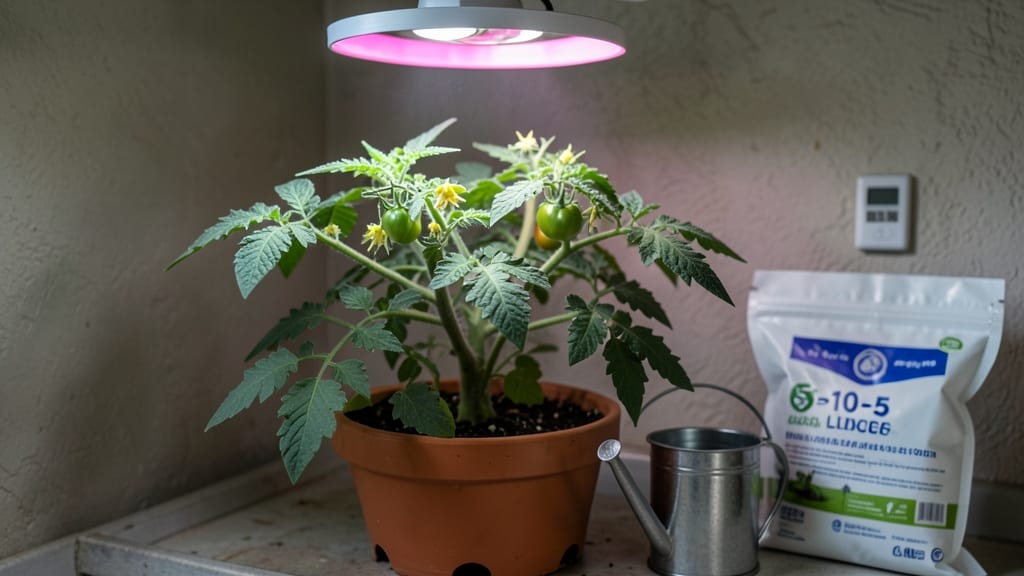
Growing tomatoes indoors for beginners isn't as tricky as you think—especially when you nail the sunlight. 🌱 I’ve grown 20-pound tomato plants on my kitchen windowsill, and the secret isn’t fancy equipment but smart light placement and timing.
Most beginners overlook how much light tomatoes really need, which is why so many indoor plants stay small and produce tiny, bland fruit.
The key is 12-16 hours of bright light daily, either from a south-facing window or a grow light. If you’re using natural light, rotate your plants weekly so they don’t lean toward the sun.
I use a basic LED grow light on a timer for 14 hours a day, and my plants thrive year-round—no greenhouse needed. The right container (at least 5 gallons) and well-draining soil keep roots happy, while consistent watering prevents blossom-end rot, a common indoor tomato killer.
By mid-summer, you’ll be harvesting juicy, vine-ripened tomatoes that taste better than anything from the store. The plants stay productive for months if you prune regularly and fertilize every 2-3 weeks with a balanced liquid feed.
Even in small spaces, this method works—just adjust your setup based on what you’re working with.
Here’s where it gets fun: you can grow heirloom varieties you’ll never find at the grocery store, like ‘Brandywine’ or ‘Sungold.’ The only real challenge is keeping humidity up (a pebble tray helps), but the payoff—fresh tomatoes in January—makes it worth every effort. Ready to try it?
📚 In This Guide
- What you need
- Instructions
- Tips and common mistakes
- Wrapping up and next steps
What you need
- ● Tomato plants: 1-2 determinate (bush) or indeterminate (vining) varieties (e.g., 'Tiny Tim,' 'Patio,' or 'Micro Tom'). Start with seedlings or seeds.
- ● Containers: 5-gallon pots or grow bags (minimum 12" deep) with drainage holes. Quantity: 1 per plant.
- ● High-quality potting mix: 1 bag (sterile, well-draining blend with perlite or vermiculite). Avoid garden soil.
- ● Grow lights: 1 full-spectrum LED light (12-16W per plant) or a smart grow bulb (e.g., Philips Hue or Sylvania Grow).
- ● Light stand or shelf: Adjustable height (18-24" above plants).
- ○ Fertilizer: Balanced liquid fertilizer (10-10-10 or 5-5-5) or slow-release granules. Optional: Fish emulsion for organic boosts.
- ● Support: 1-2 stakes, cages, or trellis per plant (for indeterminate varieties).
- ● Spray bottle: For gentle watering (avoid overhead soaking).
- ● Humidity tray or pebble tray to maintain moisture.
- ● pH test kit (ideal range: 6.0–6.8 for tomatoes).
- ● Pruning shears for trimming suckers (indeterminate varieties).
- ● Self-watering system or moisture meter for precision.
- ● Reflective material (aluminum foil or Mylar) behind plants to maximize light.
Step-by-step instructions for growing tomatoes indoors
Here's the foolproof method I've used to grow plump, flavorful tomatoes indoors—no greenhouse needed.
🌱 Step 1: Choose the Right Variety and Container
Select a determinate variety like 'Tiny Tim' or 'Patio Princess'—these stay compact and thrive in containers. Avoid indeterminate types unless you have space for vines to sprawl. Use a 5-gallon pot minimum (larger is better) with drainage holes. I always add a 3-inch layer of gravel at the bottom first—this prevents root rot by keeping excess water away from the root zone.
Fill the pot with well-draining potting mix (never garden soil). Tomatoes hate soggy roots, so mix in 20% perlite or vermiculite to improve aeration. Press the soil down lightly after filling—you want it firm enough to support the plant but loose enough for roots to spread easily.
☀️ Step 2: Set Up Supplemental Lighting
Tomatoes need 12-14 hours of bright light daily—a south-facing window won't cut it. Install a full-spectrum LED grow light on a timer set to 14 hours on, 10 hours off. Position it 4-6 inches above the plant at first, then raise it as the plant grows to maintain that distance. You'll know it's working when leaves stay deep green and stems stay thick and sturdy—no leggy, pale growth.
If using natural light, rotate the pot quarter-turn daily so the plant grows straight instead of bending toward the window. Watch for yellowing leaves—this is your signal to move the plant closer to the light or increase artificial light hours.
💧 Step 3: Water and Fertilize for Juicy Fruit
Water when the top 1-2 inches of soil feel dry—stick your finger in to check. Overwatering is the #1 killer of indoor tomatoes, so always use a pot with drainage. I water deeply at the base (never from above) to encourage strong root growth. Let excess water drain away completely before adding more.
Feed every 2 weeks with a balanced liquid fertilizer (10-10-10 or 5-5-5). Once flowers appear, switch to a bloom booster (high in phosphorus) to sweeten the fruit. You'll notice larger flowers and heavier fruit set within a week of switching fertilizers.
✂️ Step 4: Prune and Support for Maximum Yield
Pinch off the first few sets of leaves below the fruit clusters to improve air circulation and prevent disease. Remove any suckers (side shoots) that form in the leaf axils—these drain energy from fruit production. I also tie the main stem to a bamboo stake or tomato cage as soon as it reaches 12 inches tall to prevent toppling.
When fruit appears, reduce water slightly to concentrate sweetness. You'll know it's working when tomatoes develop rich color and firm texture—no mealy, waterlogged fruit. Harvest when fully colored but still slightly firm to the touch.
🌿 Step 5: Pollinate and Maintain for Continuous Harvests
Indoor tomatoes often need help pollinating. Gently shake the plant or use a small paintbrush to transfer pollen between flowers. Do this once daily during blooming season. You'll see tiny fruit sets within 3-5 days—this confirms successful pollination.
Keep the environment warm (70-80°F) and humid (50-60%) by misting leaves occasionally. Remove any yellow or diseased leaves immediately to keep the plant healthy. With proper care, you'll enjoy juicy, vine-ripened tomatoes all season long—no greenhouse required!
Tips & tricks for perfect indoor tomato growing
Here's what nobody tells you about growing tomatoes indoors—these tricks make all the difference between sad, puny plants and juicy, vine-ripened tomatoes.
Lighting Hack: The 14-hour light cycle is non-negotiable, but don't just set it and forget it. I use a smart plug with daylight sensors to automatically adjust for shorter winter days. If your tomatoes start stretching toward the light (called "etiolation"), you're not providing enough intensity—move the grow light closer or upgrade to a higher-wattage bulb. That 4-6 inch distance is your sweet spot for maximum photosynthesis.
Soil Science: The 20% perlite/vermiculite mix isn't just about drainage—it creates tiny air pockets that prevent compaction. After planting, I press the soil down with my fingers until it feels like a firm mattress. Too loose and your plant will flop; too tight and roots can't breathe. Pro tip: Add a handful of worm castings to that potting mix for extra nutrients and microbial activity that boosts flavor.
Watering Wisdom: That "top 1-2 inches dry" rule is perfect, but here's the secret: water in the morning so excess drains away completely by evening. I use a moisture meter to check deeper moisture levels—if it's dry below 2 inches, your plant is already stressed. And when fruit appears, cut back to every other day to concentrate sugars. You'll taste the difference in those juicy tomatoes.
Pollination Shortcut: The paintbrush method works, but I've found a faster trick: use a small handheld vacuum set to low suction. Gently hover it near flowers to stir up pollen—it's more efficient than brushing and reaches flowers you might miss. Do this once daily during blooming, and you'll see those tiny fruit sets appear within days. It's like giving your tomatoes a little helping hand from Mother Nature.
Pro Tips for Growing Tomatoes Indoors For Beginners
- Here's what nobody tells you about growing tomatoes indoors—these tricks make all the difference between sad, puny plants and juicy, vine-ripened tomatoes.
- Lighting Hack: The 14-hour light cycle is non-negotiable, but don't just set it and forget it.
- Soil Science: The 20% perlite/vermiculite mix isn't just about drainage—it creates tiny air pockets that prevent compaction.
Frequently asked questions
Got questions?
Growing tomatoes indoors can feel tricky at first, but don’t worry—we’ve got answers to the most common ones! Here’s what you need to know before diving in.
How much light do indoor tomatoes really need?
Indoor tomatoes thrive with 6–8 hours of bright, direct light daily. A south-facing window or a grow light (like LED or fluorescent) 6–12 inches away works best. Without enough light, plants stretch (called etiolation) and produce fewer fruits. Rotate them weekly for even growth!
When should I start harvesting my indoor tomatoes?
Harvest when tomatoes are fully colored and slightly soft to the touch—usually 60–85 days after transplanting, depending on the variety. Cherry tomatoes ripen fastest (50–60 days), while beefsteaks take longer. Pick them gently to avoid bruising, and check daily to avoid overripening.
Can I grow tomatoes indoors without natural sunlight?
Grow lights
are a game-changer for indoor gardening. Opt for full-spectrum LEDs (12–16 hours/day) or fluorescent bulbs (like T5 HO) to mimic sunlight. Place lights 6–12 inches above plants and adjust height as they grow. Just avoid cheap bulbs—they won’t provide enough UV for healthy fruit development.
What should I do if my indoor tomato plant gets pests?
Indoor pests like spider mites or aphids are common but manageable. Start with neem oil or insecticidal soap (spray at dusk). For stubborn infestations, isolate the plant and repeat treatments every 5–7 days. Prevent pests by keeping humidity moderate (40–60%) and avoiding overwatering.
Why are my indoor tomatoes not ripening?
If tomatoes stay green or hard, it’s likely due to lack of light, low temps, or ethylene gas (the ripening hormone). Move plants to a warmer spot (70–85°F), add a grow light, or place a ripe banana or apple nearby to boost ethylene. Avoid overcrowding—tomatoes need airflow to ripen properly!
Wrapping up and next steps
Growing tomatoes indoors isn’t just possible—it’s rewarding! With the right setup, patience, and a few sunlight hacks, you’ll soon be enjoying homegrown, juicy tomatoes year-round. Start small, experiment with your grow lights or natural light sources, and don’t forget to celebrate every milestone, no matter how tiny. 🌱
Ready to take the next step? Try growing one plant first—track your progress, adjust as needed, and soon you’ll be expanding your indoor garden like a pro. Happy growing! 🍅✨