
Size
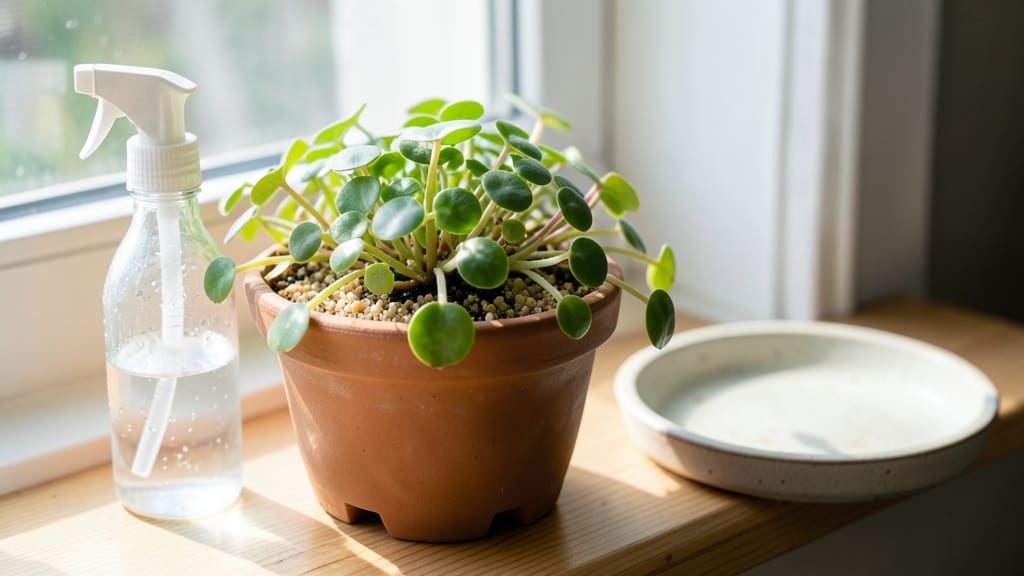
Purslane thrives indoors without sunlight—this omega-3 supergreen grows faster than spinach and tastes like a tangy, juicy cucumber. 🌱 I discovered it after my basil bolted in summer, and now it’s my go-to for fresh greens year-round, even in my dim apartment.
You’ll need a shallow container (6+ inches deep), well-draining potting mix, and a grow light or bright window. Purslane hates soggy soil—water only when the top inch feels dry, and it’ll reward you with buttery, plump stems ready to harvest in just 3-4 weeks. The real magic?
It keeps producing for months if you snip leaves regularly. No wilting, no fuss—just crisp, nutrient-packed greens that outshine store-bought baby spinach. Plus, it’s drought-tolerant, so you’ll never overwater it by accident. Perfect for small spaces, winter growing, or anyone tired of floppy lettuce. Let’s get those seeds sprouting!
📚 In This Guide
- What you need
- Instructions
- Tips and common mistakes
- Wrapping up and next steps
What you need
- ● Purslane seeds – 1 packet (100–500 seeds) (look for organic or heirloom varieties for best results).
- ● Growing containers – 4–6-inch pots or trays with drainage holes (1–2 per plant).
- ● Well-draining potting mix – 2–3 lbs (use a lightweight blend with perlite or coconut coir).
- ● Grow lights (LED or fluorescent) – 1–2 lights (12–16 inches above plants) OR a sunny windowsill (south-facing preferred).
- ● Spray bottle or watering can – For gentle hydration (avoid overwatering!).
- ○ Fertilizer (optional but helpful) – Balanced liquid fertilizer (5-5-5 or fish emulsion) (dilute to half-strength).
- ● Humidity dome or plastic wrap – To retain moisture during germination.
- ● pH test kit – Ideal soil pH: 6.0–7.0 (purslane is forgiving but thrives in this range).
- ● Grow tent or reflective surfaces – Maximizes light efficiency if space is tight.
- ● Pruning shears – For harvesting and encouraging bushier growth.
Step-by-step instructions for growing purslane indoors
Here's how to cultivate this nutrient-packed green without needing a sunlit window.
🌱 Step 1: Prepare Containers and Seed Starting Mix
Use shallow containers with drainage holes—4-inch pots work perfectly for this project. Purslane thrives in well-draining soil, so mix 50% potting mix with 50% perlite or coarse sand to prevent root rot. Moisten the blend until it feels like a wrung-out sponge—damp but not dripping.
Sow seeds ¼ inch deep, spacing them 1 inch apart in rows. Purslane germinates quickly, so don’t overcrowd—you’ll thin seedlings later. I like to tap the container gently after planting to ensure good seed-to-soil contact. Cover lightly with a fine layer of perlite to retain moisture during germination.
💧 Step 2: Provide Moisture and Warmth for Germination
Place the container in a warm spot—70-75°F is ideal—where humidity stays high, like a bathroom or under a clear plastic dome. Keep the soil consistently moist by misting lightly every 2-3 days or when the top ½ inch feels dry. Overwatering here is the biggest mistake; soggy soil invites damping-off.
Germination happens in 7-14 days, but don’t be surprised if you see sprouts in just 5 days under perfect conditions. Once seedlings emerge, remove any plastic cover immediately—purslane hates humidity once it’s growing. You’ll know it’s time when the first tiny leaves appear, bright green and round.
☀️ Step 3: Transition to Grow Lights or Bright Indirect Light
Purslane tolerates low light better than most greens, but for optimal growth, provide 12-14 hours of artificial light daily using a full-spectrum LED grow light. Position it 6-12 inches above the plants and adjust as they grow. Without enough light, stems stretch and leaves turn pale—this is your cue to move the light closer.
Rotate the container a quarter turn every 3 days so plants grow evenly. You’ll notice leaves facing the light—this is normal. When seedlings reach 2 inches tall, thin to the strongest plant per 2-inch spacing. Use clean scissors to snip weak seedlings at soil level; don’t pull them to avoid disturbing roots.
🌿 Step 4: Maintain and Harvest for Continuous Growth
Water when the top ½ inch of soil feels dry, aiming for the base to prevent leaf rot. Purslane stores water in its leaves, so it’s drought-tolerant once established. Feed every 4-6 weeks with a diluted liquid fertilizer (half-strength) to encourage lush growth. I use fish emulsion for its omega-3 boost—purslane already has plenty, but it doesn’t hurt.
Harvest leaves when they reach 1-2 inches long by snipping with clean scissors or pinching stems just above a leaf node. This encourages bushier growth. Regular harvesting keeps plants productive for 6-8 weeks before they bolt. If flowers appear, remove them immediately—they signal the plant is shifting energy to seed production, reducing leaf quality.
Tips & tricks for perfect indoor purslane cultivation
Growing purslane indoors doesn't require a green thumb—just a few smart tricks to maximize your setup.
Soil Mix Secret: The 50/50 potting mix to perlite ratio isn't just about drainage—it's about preventing that dreaded root rot. I've found that adding a handful of worm castings to the mix boosts early growth without overwhelming the delicate seedlings. The castings provide gentle nutrients while the perlite keeps roots oxygenated. This combo gives you the perfect balance of moisture retention and aeration that purslane craves.
Germination Game-Changer: Those 7-14 days can feel like forever, but here's what nobody tells you—the seeds often sprout fastest when you place the container on top of your fridge. The consistent 70-75°F warmth from the fridge's back creates ideal conditions without needing a heat mat. Just make sure the top isn't cold—warmth from below is all that matters. I've seen germination cut in half using this trick alone.
Lighting Technique: The 12-14 hours of artificial light is non-negotiable, but positioning matters more than you think. Start with the light 12 inches above the plants, then adjust downward by 1 inch every 3 days until you reach 6 inches. This gradual approach prevents the shock that causes leggy growth. I've also noticed that moving the light source (not just the plants) every few days creates more uniform growth patterns—think of it like rotating your plants without the disturbance.
Harvesting Hack: When those leaves reach 1-2 inches, here's the thing about harvesting: always cut at a 45-degree angle just above a leaf node. This creates a larger surface area for new growth to emerge, and it prevents the stem from becoming woody. I harvest every 7-10 days this way, and my plants stay bushy and productive for their full 6-8 week window. The angled cuts also help water run off better, reducing the risk of fungal issues.
Pro Tips for Grow Purslane Indoors
- Growing purslane indoors doesn't require a green thumb—just a few smart tricks to maximize your setup.
- Soil Mix Secret: The 50/50 potting mix to perlite ratio isn't just about drainage—it's about preventing that dreaded root rot.
- Germination Game-Changer: Those 7-14 days can feel like forever, but here's what nobody tells you—the seeds often sprout fastest when you place the container on top of your fridge.
Frequently asked questions
Got questions about growing purslane indoors?
Here’s what you need to know to tackle common challenges and get the most out of your leafy, omega-3-packed harvest.
Can I grow purslane indoors without any sunlight?
Purslane thrives with bright artificial light—like full-spectrum LED grow lights—since it’s sun-loving but adaptable. Aim for 12–16 hours of light daily, keeping bulbs 6–12 inches above the plants. Skip natural sunlight, and you’ll still get crisp, tender leaves!
How long does it take for purslane to grow indoors?
With ideal conditions (warmth, light, and humidity), you’ll see first harvests in 3–4 weeks from seed. For faster results, opt for young plants from a nursery. Prune regularly to encourage bushier growth and continuous harvests.
Why is my purslane turning yellow or mushy?
Yellowing leaves often signal overwatering—purslane hates soggy roots! Let the top inch of soil dry out between waterings. Mushy stems? Improve airflow by spacing plants 4–6 inches apart and avoid misting leaves.
What’s a good alternative if purslane is too finicky?
If purslane feels tricky, try dwarf basil, spinach, or arugula—they’re also easy indoor greens. For omega-3s, algae-based supplements or chickweed (another sun-loving succulent) are great backups.
Can I regrow purslane from store-bought stems?
Yes! Snip the base of store-bought purslane, place it in 1 inch of water, and keep it in bright light. Roots sprout in 5–7 days, then transplant to soil. Just avoid pesticides—organic stems work best!
Wrapping up and next steps
Growing purslane indoors is a rewarding way to enjoy a nutrient-packed, low-maintenance green—even without sunlight! 🌱 With just a few supplies and minimal effort, you can harvest fresh, omega-3-rich leaves year-round.
Whether you're a beginner or a seasoned plant parent, this versatile succulent thrives in small spaces and adds a tangy twist to salads, smoothies, or stir-fries.
Ready to dive in? Start with a single cutting or seed, and soon you’ll be reaping the benefits of this sun-smart superfood. Your next step? Grab your supplies, follow the steps, and watch your indoor garden flourish—one leafy, omega-3 boost at a time! 💚