
Container Gardens
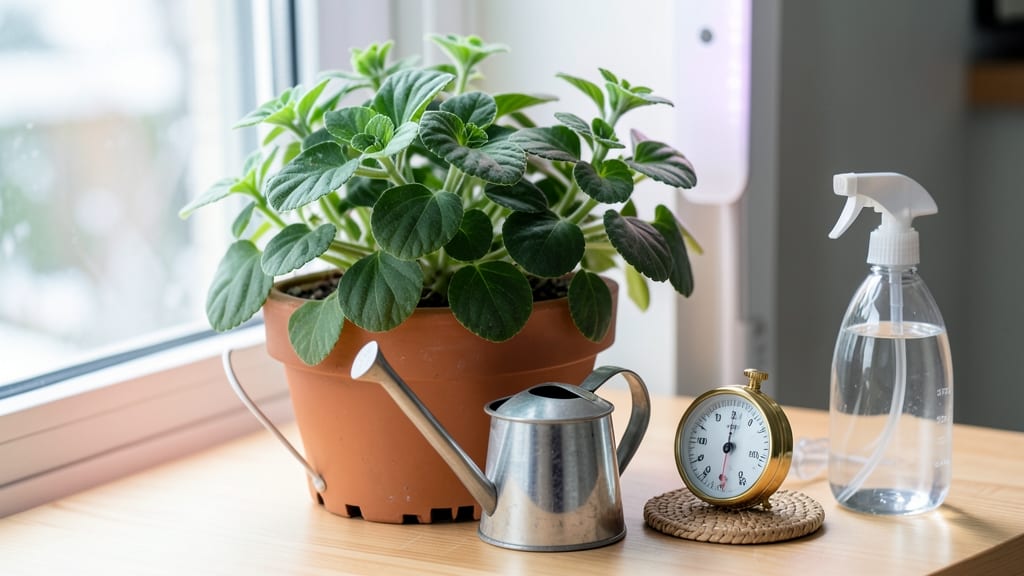
Geranium care in winter indoors doesn’t require constant watering—they need a dormancy trick to survive and explode with blooms next spring. 🌱 I’ve learned the hard way that treating them like summer plants guarantees leggy, sad stems by March. The secret? Mimicking their natural winter rest cycle with less light, cooler temps, and strategic pruning.
Start by moving them to a bright, cool spot (50–60°F) away from heat vents. Water only when the top inch of soil feels dry—overwatering is the #1 killer. I cut back watering by half and watch my geraniums stay perky through February, ready to burst into growth when spring arrives.
By late winter, you’ll see fresh green leaves pushing from the base—proof your geraniums are waking up. A quick prune to tidy up any leggy stems gives them a fresh start. The payoff? Vibrant, bushy plants that outperform store-bought geraniums by summer.
This method works for zonal, ivy, and scented geraniums alike, whether you’re dealing with a single pot or a collection. The key is patience—those dormant stems hold next year’s blooms. Let’s get them through winter the right way.
📚 In This Guide
- What you need
- Instructions
- Tips and common mistakes
- Wrapping up and next steps
What you need
- ● Geranium plants: Healthy, potted geraniums (preferably Pelargonium species). Choose plants that have finished blooming for the season.
- ● Well-draining potting mix: 1–2 gallons per pot (use a blend with perlite or sand for aeration). Avoid heavy garden soil.
- ● Containers with drainage holes: Pots 6–12 inches in diameter (one per plant). Terracotta or ceramic works best.
- ● Pruning shears: Sharp, clean pair for trimming foliage and stems.
- ● Watering can or spray bottle: With a fine rose attachment for gentle hydration.
- ○ Grow lights (optional but recommended): LED or fluorescent bulbs (12–16 hours/day) for low-light spots.
- ● Humidity tray or pebble tray: To maintain moisture levels (especially in dry indoor air).
- ● Fertilizer (low-nitrogen, balanced formula): Diluted to half-strength (e.g., 10-10-10 or 5-5-5).
- ● Thermometer/hygrometer: To monitor temperature (ideal: 50–65°F) and humidity (40–50%).
- ● Root stimulator: For repotting or stressed plants (e.g., mycorrhizal fungi or seaweed extract).
- ● Insecticidal soap or neem oil: To treat pests like spider mites or aphids.
- ● Plant supports (stakes or cages): If your geraniums are leggy or need structure.
- ● Automatic timer: For grow lights or irrigation if you’re away often.
Step-by-Step guide to wintering geraniums indoors
Here's how to keep your geraniums thriving through winter—so they burst back to life in spring.
🌿 Step 1: Assess and Prepare for Dormancy
Geraniums need a rest period to survive winter. Start by examining your plants: healthy stems should be firm, and leaves should be free of disease. Trim back any dead or yellowing foliage using clean, sharp scissors—this prevents rot and redirects energy to the roots.
Move your geraniums to a cooler location, ideally between 50-60°F. A basement, garage, or even a north-facing window works well. Avoid heat sources like radiators, which can stress the plants. You'll know you've picked the right spot when new growth slows dramatically within a few weeks.
⏰ Step 2: Reduce Watering and Light
Watering becomes critical during dormancy. Only water when the top inch of soil feels completely dry to the touch—typically every 2-3 weeks. Overwatering is the #1 killer of winter geraniums. Use a moisture meter or stick your finger in the soil to check.
Reduce light exposure to mimic winter conditions. Place plants in a spot with bright, indirect light—they don’t need full sun. If leaves start yellowing, they’re getting too much light. If growth stalls completely, they’re in the right conditions. This dormancy phase lasts about 8-10 weeks, so patience is key.
🪴 Step 3: Monitor for Pests and Rot
Check your geraniums weekly for pests like spider mites or aphids, which thrive in dry indoor air. Wipe leaves gently with a damp cloth or spray with neem oil if you spot any. Preventative care now saves headaches later when you revive them in spring.
Watch for signs of root rot—mushy stems or foul-smelling soil mean overwatering. If you notice this, let the soil dry out completely before watering again. A small pot with drainage holes helps prevent this issue. Healthy roots mean a stronger revival in spring.
☀️ Step 4: Revive in Early Spring
When you see new growth in late winter (usually February or March), it’s time to revive your geraniums. Move them back to a bright, sunny window or under grow lights for 12-14 hours of light daily. This gradual transition prevents shock.
Increase watering slightly—keep soil evenly moist but not soggy. Fertilize lightly with a balanced houseplant fertilizer (half-strength) to encourage fresh growth. Within 2-3 weeks, you’ll see vibrant new leaves and stems, signaling they’re ready for their outdoor home.
Tips & tricks for perfect geranium winter care
Here's what nobody tells you about keeping geraniums alive through winter—these tricks make all the difference between sad, leggy plants and vibrant spring blooms.
Temperature Matters: That 50-60°F range in Step 1 is non-negotiable for dormancy. I learned this the hard way after keeping mine too warm near a sunny window—growth continued weakly, and they lost all their energy. If your home stays above 65°F, consider moving them to a cooler basement corner or even a refrigerator (without fruit) for 2-3 hours daily. The key is slowing metabolism completely.
Light Strategy: Bright, indirect light in Step 2 means no direct sunlight—think of it like winter camping. Place plants near an east-facing window where they get morning sun but avoid the harsh afternoon rays. If your space only has south-facing windows, use a sheer curtain to diffuse the light. Too much light causes yellowing, but too little means weak stems that'll flop when you revive them in spring.
Watering Wisdom: The top inch dry rule in Step 2 is your lifeline. I use a chopstick to check moisture—insert it into the soil, then pull it out. If it comes out clean, water; if it has soil clinging, wait. Overwatering is the silent killer here. For extra peace of mind, place pots on saucers with pebbles and water—this creates humidity around the roots while keeping soil dry.
Revive Gradually: When you see new growth in Step 4, don't rush to full sun immediately. Start with 2-3 hours of morning light on the first day, then gradually increase by 1-2 hours daily. I've seen geraniums go into shock when moved too quickly—think of it like sunbathing after winter hibernation. The 12-14 hours of light recommendation should be reached over 5-7 days, not all at once.
Pro Tips for Geranium Care In Winter Indoors
- Here's what nobody tells you about keeping geraniums alive through winter—these tricks make all the difference between sad, leggy plants and vibrant spring blooms.
- Temperature Matters: That 50-60°F range in Step 1 is non-negotiable for dormancy.
- Light Strategy: Bright, indirect light in Step 2 means no direct sunlight—think of it like winter camping.
Frequently asked questions
Got questions about keeping your geraniums cozy indoors this winter?
You’re not alone! Here are some of the most common concerns—and their easy fixes—to keep your plants thriving until spring.
How cold is too cold for indoor geraniums?
Geraniums love consistent warmth—ideal temps are 60–65°F (15–18°C). Below 50°F (10°C), they’ll slow down or even drop buds. Keep them away from drafty windows or vents, and avoid sudden temperature swings. A sunny windowsill (like south- or west-facing) is perfect!
Should I stop watering geraniums in winter?
Nope! Just adjust your watering. Let the top 1–2 inches of soil dry out between waterings—overwatering is the #1 killer in winter. Use well-draining pots and saucers to prevent soggy roots. Pro tip: Mist leaves occasionally if your home is dry, but avoid soggy foliage!
Will my geraniums die if I don’t prune them in winter?
Not necessarily! Pruning isn’t required, but it helps. Trim back 1/3 of the leggy stems in early winter to encourage bushier growth. Skip pruning if your plant looks healthy—focus on light and water instead. Wait until spring for a major haircut to promote vigorous new growth.
Can I keep geraniums indoors year-round?
Yes, but with compromises. Indoors, they’ll grow slower and may need grow lights (12–14 hrs/day) for vibrant blooms. Watch for pests like spider mites (common in dry indoor air) and rotate pots weekly for even light exposure. If space is tight, consider smaller varieties like Pelargonium peltatum (ivy geraniums).
Why are my indoor geraniums getting brown leaves?
Brown leaves usually mean one of three things:
- Too much sun → Move to indirect light.
- Underwatering → Check soil moisture weekly.
- Overwatering → Let soil dry out fully between waterings.
If brown spots persist, snip them off with clean scissors to redirect energy to healthy growth. Bonus: Wipe leaves with a damp cloth to remove dust and boost photosynthesis!
Wrapping up and next steps
Caring for geraniums indoors during winter doesn’t have to be stressful—with the right dormancy triggers and a little attention, your plants will thrive and burst back to life come spring! 🌱 By adjusting light, water, and temperature, you’re giving your geraniums the perfect winter break to recharge.
Now that you’re armed with these tips, it’s time to put them into action—your future blooms will thank you!
Ready to transform your indoor garden? Start by checking your geraniums’ winter setup this week and monitor their progress. Small steps lead to big rewards! 🌸