
Container Gardens
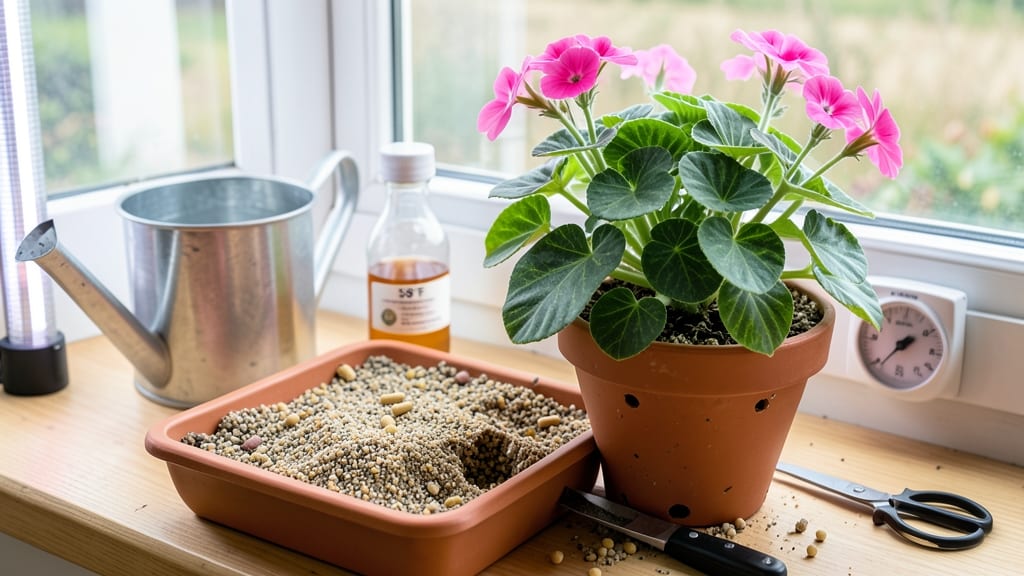
Winter over geraniums indoors and you’ll wake up to blooms next spring instead of tossing them like last year. 🌿 I’ve saved my geraniums through three winters now—no more sad, wilted plants by February. The secret is timing, light, and a little strategic pruning before you even bring them inside.
You’ll need sharp pruners, a sunny south-facing window (or a grow light), and a pot with drainage—nothing fancy. The key move is cutting back stems to 4-6 inches right before the first frost, then repotting into fresh, well-draining soil.
Most people overwater at this stage, but geraniums hate soggy roots in winter.
By February, you’ll see fresh green growth pushing from the stems, and with consistent light, those buds will open into vibrant blooms by late March or April. The plants stay compact, healthy, and ready to go back outside when temperatures warm.
Works for all geranium varieties—zonals, ivy, and regal types—and prevents the shock of transplanting from store-bought plants next spring. Here’s how to do it without losing a single leaf.
📚 In This Guide
- What you need
- Instructions
- Tips and common mistakes
- Wrapping up and next steps
What you need
- ● Healthy geranium plants: Choose well-established, disease-free plants with at least 4–6 inches of stem growth. Quantity: 1–10 (depending on your setup).
- ● 6-inch pots or containers: Ensure they have drainage holes. Quantity: 1 per plant (or repurpose existing pots if they’re clean and well-draining).
- ● Well-draining potting mix: Use a blend formulated for container plants or mix equal parts potting soil, perlite, and vermiculite. Quantity: Enough to fill pots 2/3 full.
- ● Pruning shears or sharp scissors: Sterilize with rubbing alcohol to prevent bacterial spread.
- ○ Spray bottle with water: For misting leaves (optional but helpful for humidity).
- ● Fertilizer (balanced or low-phosphorus): Dilute to half-strength (e.g., 10-10-10 or 5-5-5). Quantity: Enough for 1–2 light applications over winter.
- ○ Grow lights or a sunny windowsill: South- or west-facing windows are ideal (6+ hours of light/day). Optional: LED grow lights (12–16 hours/day if natural light is insufficient).
- ● Humidity tray or pebble tray: Fill with water and pebbles to increase air moisture around plants.
- ● Rooting hormone: For propagating cuttings if you want to expand your geranium collection.
- ● Insecticidal soap or neem oil: Preemptive treatment for spider mites or aphids (common indoor pests).
- ● Thermometer/hygrometer: To monitor temperature (ideal: 55–65°F) and humidity (40–50%).
- ● Plant labels: To track varieties and care notes.
Step-by-step instructions for wintering over geraniums indoors
Here's how to keep your geraniums thriving through winter with minimal fuss.
🌿 Step 1: Select Healthy Plants and Prepare for Transition
Choose the healthiest stems with at least 3-4 sets of leaves—these will root best. Snip each stem at a 45-degree angle just below a leaf node using clean, sharp scissors. This angle increases surface area for root development. I like to work in the late afternoon when temperatures are cooler, reducing stress on the cuttings.
Remove any lower leaves that would sit below the soil line once planted. You want only the top 2-3 sets of leaves remaining to focus energy on root growth. Place the cuttings in a container of room-temperature water, changing it every 2-3 days to prevent bacterial growth. Within 10-14 days, you'll see tiny white roots forming at the base—that's your signal they're ready for soil.
✂️ Step 2: Prune Mature Plants and Pot Up Cuttings
For the parent geranium plants, cut back the stems by one-third to encourage bushier regrowth in spring. Use sterilized pruners to make clean cuts just above a leaf node. This prevents disease and promotes new growth from strong points. Discard any yellowed or diseased leaves immediately to prevent spreading pathogens.
Once your cuttings have ½-inch roots, transplant them into 4-inch pots filled with a well-draining potting mix. I mix one part perlite with two parts standard potting soil for optimal aeration. Gently tap the pot to settle the soil, then water lightly until moisture runs out the drainage holes. Overwatering now will rot the delicate roots before they establish.
☀️ Step 3: Provide Ideal Light and Temperature Conditions
Place your newly potted geraniums under bright, indirect light—a south-facing window works best. If natural light is insufficient, supplement with a grow light positioned 6-8 inches above the plants for 12-14 hours daily. You'll notice leggy growth if light is too weak; adjust immediately by moving closer to the light source or increasing exposure time.
Keep temperatures between 60-70°F during the day and no lower than 55°F at night. Avoid cold drafts from windows or doors, which can shock the plants. If your home runs cooler, a heat mat under the pots provides gentle warmth without overheating. Check soil moisture daily—geraniums in winter need water only when the top inch feels dry to the touch.
💧 Step 4: Maintain Through Dormancy and Prep for Spring
Reduce watering to every 7-10 days once growth slows in late fall. This mimics their natural dormancy period and prevents root rot. Fertilize lightly with a balanced 10-10-10 solution at half strength every 4-6 weeks to support slow growth. Over-fertilizing now leads to weak, leggy stems that struggle when repotted outdoors.
In late winter, inspect for pests like spider mites or aphids. Wipe leaves gently with a damp cloth and neem oil solution if needed. By mid-March, increase light exposure and resume regular watering. You'll see fresh growth within 2-3 weeks—that's your cue to harden off the plants before moving them back outside after the last frost.
Tips & tricks for perfect indoor geranium winter care
Saving your geraniums through winter takes just a few key adjustments—here's how to avoid common pitfalls and maximize success.
Root Development Timing: The 10-14 day rooting period in water is critical—don't rush this step. Place your cuttings in bright, indirect light during this time to encourage faster root growth. I've found that keeping the water container on a seedling heat mat (set to 70°F) can cut the rooting time by 3-4 days while preventing bacterial growth. Change the water every 2-3 days religiously, even if it looks clean, to maintain oxygen levels for the developing roots.
Pruning Precision: When pruning mature plants in Step 2, make your cuts just above a leaf node—this is where new growth emerges. I always use sterilized pruners dipped in rubbing alcohol to prevent disease transmission between cuts. For stubborn stems, a sharp knife works too, but clean cuts are essential to avoid tearing the plant tissue. Discard any leaves that show signs of disease immediately—they can spread pathogens to healthy cuttings.
Lighting Strategy: That 12-14 hour daily light requirement is non-negotiable for winter geraniums. If your south-facing window isn't sufficient, invest in a full-spectrum LED grow light—it's the most energy-efficient solution. Position it 6-8 inches above the plants and set a timer to automate the 12-hour cycle. Watch for leggy growth as your early warning sign that light is insufficient, and adjust immediately by moving the plants closer to the light source or increasing exposure time by 1-2 hours.
Temperature Balance: Maintaining that 60-70°F daytime range with nights no lower than 55°F can be tricky in many homes. If you notice wilting or slow growth, move the plants away from cold drafts—especially near exterior doors or windows. A simple heat mat under the pots provides consistent warmth without creating hot spots. During the day, rotate pots occasionally to ensure even light exposure all around, which prevents one-sided growth that's hard to correct later.
Pro Tips for Winter Over Geraniums Indoors
- Saving your geraniums through winter takes just a few key adjustments—here's how to avoid common pitfalls and maximiz...
- Root Development Timing: The 10-14 day rooting period in water is critical—don't rush this step. Place your cuttings ...
- Pruning Precision: When pruning mature plants in Step 2, make your cuts just above a leaf node—this is where new grow...
Frequently asked questions
Got questions about keeping your geraniums thriving through winter? Here are some common ones—and their answers!
When should I start bringing my geraniums indoors?
Move potted geraniums indoors before the first frost, typically in late summer or early fall (around Labor Day in most zones). Watch for nighttime temps dropping below 50°F—this is your cue! Early action prevents shock and ensures a smoother transition.
What if my geranium leaves look sad after moving inside?
Don’t panic! Droopy leaves are normal due to stress from the move. Trim wilted foliage, boost humidity (pebble trays help!), and place them in bright, indirect light. Avoid watering until soil feels dry—overwatering worsens shock.
Can I overwinter geraniums in a basement or garage?
Basements/garages are too cold (ideal temps: 50–60°F). Instead, choose a sunny windowsill, greenhouse, or a well-lit room. If natural light is lacking, supplement with a grow light 12–14 hours daily to prevent leggy growth.
How often should I water geraniums indoors?
Water only when the top inch of soil is dry (usually every 7–10 days). Overwatering causes root rot—use pots with drainage holes and empty saucers after watering. Reduce watering further in winter when growth slows.
Can I overwinter geraniums without pruning?
Pruning isn’t mandatory, but it’s highly recommended! Trim leggy stems by ⅓ to encourage bushier growth and remove dead leaves. Skip pruning if your plant is already small or struggling—focus on light and care instead.
What should I do if pests appear indoors?
Isolate affected plants and wipe leaves with soapy water (1 tsp mild dish soap per quart). For stubborn pests (like spider mites), spray with neem oil weekly. Quarantine new plants for 2 weeks to prevent infestations.
Wrapping up and next steps
Wintering over your geraniums indoors is easier than you think—and the reward is year-round blooms that’ll brighten your space!
By following these simple steps, you’ll save money, reduce waste, and enjoy vibrant plants well into spring. Now’s the perfect time to act: gather your supplies, trim those stems, and give your geraniums the cozy care they deserve. Next, head outside (or to your garden journal) and start planning where they’ll thrive come spring! 🌱✨