
Container Gardens
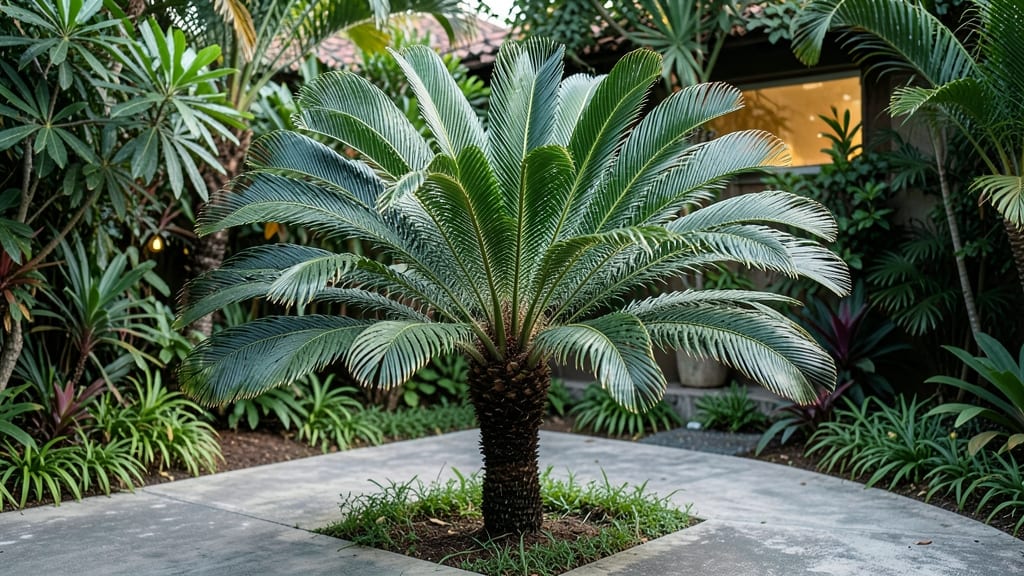
Your Christmas palm indoors could be the showstopper of your home—if you master its bright light needs. 🌿 I’ve kept mine thriving for years by mimicking its tropical habitat, and the secret isn’t complicated: bright, indirect light paired with consistent care.
Too little light? Yellowing fronds. Too much direct sun? Crispy edges. The balance is everything, and once you nail it, this plant rewards you with lush, arching fronds that feel like a mini rainforest in your living room.
The good news? Christmas palms are foolproof for beginners once you get the basics right. You’ll need a 6-8 inch pot with drainage, well-draining potting mix, and a spot near a window (east or north-facing works best).
Water when the top inch of soil feels dry—overwatering is the #1 killer, but don’t let it dry out completely either. Humidity matters too; if your home is dry, mist the leaves or place the pot on a tray of pebbles and water to keep the air moist.
By summer, your palm will be bursting with new growth, and with seasonal adjustments (like reducing water in winter), it’ll stay vibrant all year. The key is patience—these plants grow slowly but steadily, and once established, they’re nearly indestructible.
Think of it as a low-maintenance green statement piece that actually thrives indoors, not just survives.
Whether you’re styling a sunroom, office, or living room, this palm adapts beautifully. Just avoid drafts, keep it away from heaters, and rotate the pot occasionally so fronds grow evenly. With these tweaks, you’ll have a year-round tropical vibe that’s easier to maintain than you’d think. Ready to try?
📚 In This Guide
- What you need
- Instructions
- Tips and common mistakes
- Wrapping up and next steps
What you need
- ● Christmas Palm Plant: A healthy, mature plant (3–6 feet tall) from a nursery or online retailer. Look for one with vibrant, arching fronds and no signs of pests or disease.
- ● Large, Drainage-Friendly Container: Minimum 18–24 inches in diameter (deeper is better for root growth).
- ● Material: Terracotta, ceramic, or fiberglass (avoid plastic, which retains too much moisture).
- ● Drainage holes are a must—no exceptions!
- ● High-Quality Potting Mix: 3 parts well-draining cactus/succulent mix or orchid bark blend.
- ● 1 part perlite or pumice (for aeration).
- ○ Optional: Add a handful of worm castings for nutrients.
- ● Grow Lights: A full-spectrum LED grow light (e.g., 15W–25W bulb) or a sunlight mimic system (12–16 hours/day in winter). Bright light is non-negotiable!
- ● Humidity Tray or Peat Moss: To maintain 50–70% humidity (mist lightly 2–3x/week or use a humidifier).
- ● Watering Can with Narrow Spout: For precise watering (avoid overhead spraying to prevent fungal issues).
- ● Fertilizer: Balanced liquid fertilizer (e.g., 10-10-10 or 20-20-20), diluted to ½ strength.
- ○ Slow-release granules (optional, for convenience).
- ● Self-Watering System: A wicking mat or self-watering pot to maintain consistent moisture.
- ● Plant Stand or Rotating Shelf: To ensure even light exposure (rotate quarter-turn weekly).
- ● Decorative Accents: Festive planters, pebbles, or holiday-themed pots to match your Christmas vibe! 🎄
- ● Soil Moisture Meter: To avoid over/under-watering (aim for slightly moist, not soggy soil).
- ● Neem Oil or Insecticidal Soap: For preventative pest control (scale or spider mites can be sneaky!).
Step-by-step guide to growing a thriving Christmas palm indoors
Master these simple steps and your Christmas palm will reward you with glossy fronds year after year.
🪴 Step 1: Choose the Right Pot and Soil Mix
Pick a pot with drainage holes that's 2-3 inches larger in diameter than the plant's current root ball. Christmas palms hate soggy roots, so terracotta pots work best—they breathe and prevent rot. I always use a well-draining potting mix blended with 20% perlite or orchid bark to improve aeration.
Fill the pot halfway with mix, then place the plant in and add more soil until it sits 1 inch below the rim. Press gently around the edges to eliminate air pockets. The soil should feel slightly damp but not wet—you'll know it's right when a handful crumbles easily without sticking together.
☀️ Step 2: Position for Bright, Indirect Light
Christmas palms need bright, indirect light to thrive—think east or west-facing windows where sunlight filters through sheer curtains. A north window works too, but growth will slow. If your space only has south light, place the plant 6 feet back from the window to avoid leaf scorch.
Watch for these signs: Leaves turning yellow or brown means too much direct sun, while pale, sparse fronds signal insufficient light. Rotate the pot quarter turn weekly so the plant grows evenly. You'll see new fronds emerging from the center—this is your cue the light is perfect.
💧 Step 3: Water with Precision and Consistency
Water when the top 2-3 inches of soil feel dry—stick your finger in to check. Christmas palms prefer slightly dry conditions over soggy soil. I use room-temperature water and pour slowly until it drains freely from the bottom. Empty the saucer after 10 minutes to prevent root rot.
Mist the fronds lightly once a week to mimic humidity, but avoid wetting the crown where fronds meet the stem. Overwatering is the #1 killer—yellowing leaves or mushy stems mean you're watering too much. If this happens, let the soil dry completely before watering again.
✂️ Step 4: Prune and Fertilize Seasonally
Remove any brown or yellow fronds by cutting them at the base with clean, sharp scissors. Never pull fronds—this damages the stem. I fertilize every 4-6 weeks during spring and summer with a balanced liquid fertilizer (like 10-10-10) diluted to half strength. Reduce feeding in fall and winter.
Dust the fronds occasionally with a damp cloth—Christmas palms love clean leaves. This isn't just for looks; dust blocks light absorption. If you notice new growth slowing in winter, move the plant to a slightly warmer spot (ideally 65-75°F) and reduce watering to every 2-3 weeks.
🌿 Step 5: Monitor for Pests and Adjust Care
Check the undersides of fronds weekly for spider mites or mealybugs. Wipe them off with a cotton swab dipped in rubbing alcohol if you spot any. Christmas palms rarely get pests, but dry indoor air makes them vulnerable. Increase humidity to 40-50% with a pebble tray or humidifier if needed.
If the tips of fronds turn brown, it's usually from dry air or fluoride in tap water. Switch to filtered or distilled water immediately. Your goal is consistent, stress-free conditions—this palm thrives when you treat it like a low-maintenance houseplant, not a high-stress tropical exotic.
Tips & tricks for perfect Christmas palm care indoors
These simple strategies will help your Christmas palm stay vibrant and healthy all year long—no green thumb required.
Soil Mix Secret: When mixing your well-draining potting blend, add a handful of orchid bark to the 20% perlite recommendation. This creates even better aeration while holding moisture just right—exactly what Christmas palms crave. I like to sift the mix before planting to eliminate any large clumps that could compact around the roots.
Light Positioning: The 6 feet back rule from south-facing windows is crucial, but here's the trick: place a mirror opposite the window to bounce extra light onto the plant. This doubles your effective light coverage without moving the palm. Rotate the mirror weekly to keep light distribution even as your plant grows.
Watering Hack: The 10-minute drainage rule after watering is perfect, but I've found an even better test: After emptying the saucer, lift the pot—if it feels noticeably lighter, you've drained enough. This method works better than timing alone, especially in terracotta pots that absorb moisture differently than plastic.
Fertilizer Timing: For the 4-6 week feeding schedule, I switch to a fish emulsion during summer months—it's packed with micronutrients these palms love. In winter, I skip fertilizing entirely and just focus on keeping the soil lightly moist. The key is consistency: always fertilize at the same time of day for predictable results.
Pro Tips for Christmas Palm Indoors
- These simple strategies will help your Christmas palm stay vibrant and healthy all year long—no green thumb required.
- Soil Mix Secret: When mixing your well-draining potting blend, add a handful of orchid bark to the 20% perlite recommendation.
- Light Positioning: The 6 feet back rule from south-facing windows is crucial, but here's the trick: place a mirror opposite the window to bounce extra light onto the plant.
Frequently asked questions
Got questions about keeping your Christmas palm indoors thriving? You’re not alone! Here are some of the most common queries—plus straightforward answers to help you master this tropical beauty year-round.
How much light does a Christmas palm really need indoors?
A Christmas palm (Adonidia merrillii) thrives in bright, indirect light—think east or south-facing windows. Avoid harsh direct sun, which can scorch its fronds. If your space is dim, supplement with a grow light (12–14 hours/day) to prevent leggy growth. Pro tip: Rotate the pot monthly for even light exposure!
Can I keep a Christmas palm indoors through winter?
These palms are hardy in USDA zones 10–11 outdoors, but indoors, they adapt beautifully to 60–75°F temperatures. Just avoid drafts (like cold windows) and dry air—use a humidifier or place the pot on a pebble tray if needed. Watch for: Brown frond tips = too dry; yellowing = overwatering.
How often should I water my Christmas palm indoors?
Water when the top 1–2 inches of soil feel dry—usually every 1–2 weeks, depending on humidity and light. Overwatering is the #1 killer! Use a pot with drainage holes and well-draining soil (like a mix of potting soil + perlite). Test it: Stick your finger in—if it’s damp past 2 inches, wait!
What are the best alternatives if my Christmas palm struggles indoors?
If your space lacks light or humidity, try these low-maintenance palm alternatives:
- Parlor Palm (Chamaedorea elegans): Thrives in low light and cool temps.
- Areca Palm (Dypsis lutescens): Loves humidity and bright, indirect light.
- Bamboo Palm (Chamaedorea seifrizii): Compact and forgiving for beginners.
Why are my Christmas palm’s fronds turning yellow or brown?
Yellow fronds
usually mean overwatering or poor drainage. Brown tips? Likely low humidity or fluoride in tap water (use distilled or rainwater instead). Pests (like spider mites) can also cause spotting—wipe fronds with a damp cloth and treat with neem oil if needed.
Wrapping up and next steps
Bringing a Christmas palm indoors is a rewarding way to enjoy year-round greenery and festive cheer!
With the right light, care, and a little patience, you’ll transform your space into a vibrant oasis that thrives even in low-light conditions. Now’s the perfect time to act—grab your supplies, follow the steps, and watch your plant flourish! 🌿✨
Your Next Step:
- 🛒 Shop for supplies (pot, soil, fertilizer) and start your setup.
- 📅 Schedule a weekly check-in to monitor light, water, and growth.
- 🌟 Share your progress! Tag us in your indoor jungle transformation.