
Container Gardens
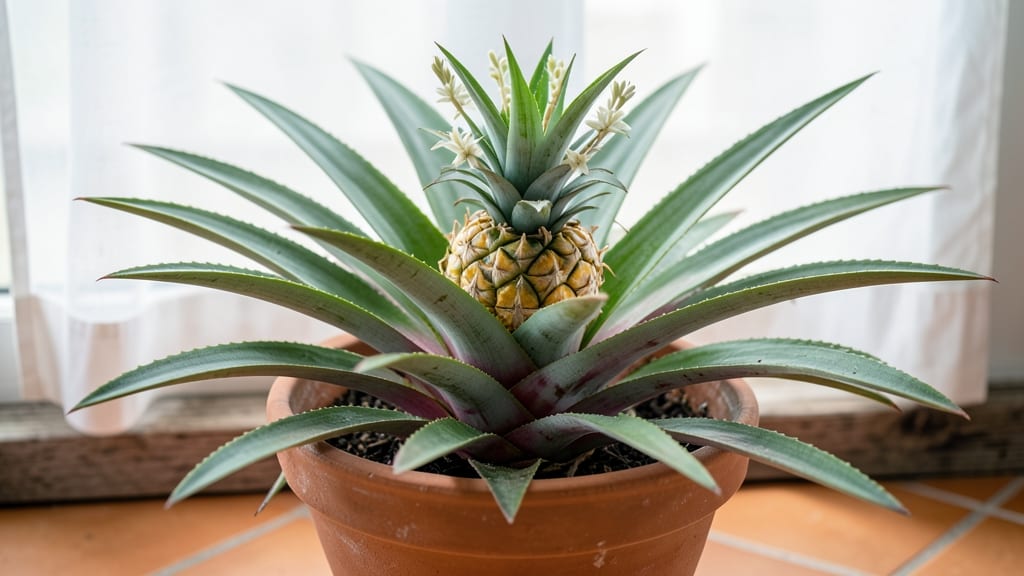
Growing pineapples indoors is absolutely possible if you provide bright indirect light, well-draining soil, and a warm environment (70–85°F). Begin with a mature crown or slip, use a pot with drainage, and maintain high humidity for optimal growth. Just remember—indoor fruiting can take 2–3 years of consistent care.
Indoor pineapple cultivation thrives when you replicate its tropical habitat. 🌿 The key factors—light, warmth, and humidity—create an environment where the plant can focus energy on root development rather than survival.
I’ve found that placing your pineapple near an east-facing window provides the ideal bright indirect light without risking leaf burn, while a humidity tray beneath the pot mimics the moisture levels of its native rainforest. The real secret?
Patience—these plants grow slowly indoors, but with the right conditions, you’ll see steady progress over time.
For best results, start with a healthy pineapple crown or slip, which are essentially baby plants. These propagate easily in well-draining soil mixed with perlite or coconut coir to prevent root rot.
Keep the soil slightly moist but never soggy, and fertilize lightly every 4–6 weeks with a balanced tropical plant fertilizer. If your leaves start yellowing, it’s often a sign of overwatering or poor drainage—adjust your care routine accordingly.
💡 In This Article
- Pineapple Growth Requirements for Indoor Success
- Step-by-Step Guide to Growing Pineapples Indoors
Pineapple growth requirements for indoor success
Pineapples thrive indoors when you replicate their native tropical environment, where they receive 12-14 hours of bright indirect light daily. The ideal light spectrum includes blue (600-500nm) and red (650-700nm) wavelengths, which drive photosynthesis and flowering.
Without sufficient light, your pineapple will grow leggy and pale, a sign it's stretching toward any available light source. 🌱 In my experience, south- or east-facing windows provide the best balance—direct midday sun can scorch the leaves, while north-facing windows often deliver too little intensity.
The temperature range of 70–85°F is critical because pineapples are sensitive to cold drafts below 60°F, which can trigger leaf discoloration or even dormancy. These plants also prefer high humidity levels (50-70%), mimicking their rainforest origins.
I’ve found that placing the pot on a tray filled with pebbles and water creates a microclimate that raises humidity around the plant without overwatering the soil. The soil pH should stay between 4.5 and 6.5—too alkaline, and nutrient uptake suffers; too acidic, and root health declines.
What most people don’t realize is that pineapples are heavy feeders when fruiting begins. They require a balanced fertilizer (like 10-10-10) applied every 4-6 weeks during active growth, but reduce feeding in winter when growth slows.
The roots need excellent aeration, which is why I recommend a mix of 60% peat or coconut coir, 30% perlite, and 10% sand. This combination prevents compaction while retaining enough moisture to support the plant’s tropical needs.
For flowering and fruiting, pineapples need a temperature shift—specifically, a 10°F drop for 2-3 weeks triggers blooming. This mimics their natural seasonal cues.
Without this stimulus, many indoor pineapples remain vegetative for years. 💡 The challenge is creating this drop without causing cold stress, which is why I recommend using a small fan to circulate cooler air gently around the plant rather than placing it near drafty windows.
One common misconception is that larger pots automatically mean better growth. In reality, pineapples prefer root-bound conditions—they thrive in pots just 1-2 inches wider than their base. Overpotting leads to waterlogged soil and fungal issues.
When repotting, choose containers with drainage holes and elevate them to prevent root rot from sitting water. The right pot size ensures the plant directs energy toward foliage and eventual fruiting rather than filling empty space.
Finally, the texture of healthy pineapple leaves tells you everything about the plant’s well-being. Firm, slightly waxy leaves with vibrant green color indicate optimal conditions, while soft or yellowing leaves signal overwatering or nutrient deficiencies.
The sweet, tropical aroma from the leaves during active growth is another positive sign—it means the plant is photosynthesizing efficiently and storing energy for potential fruiting.