
How To
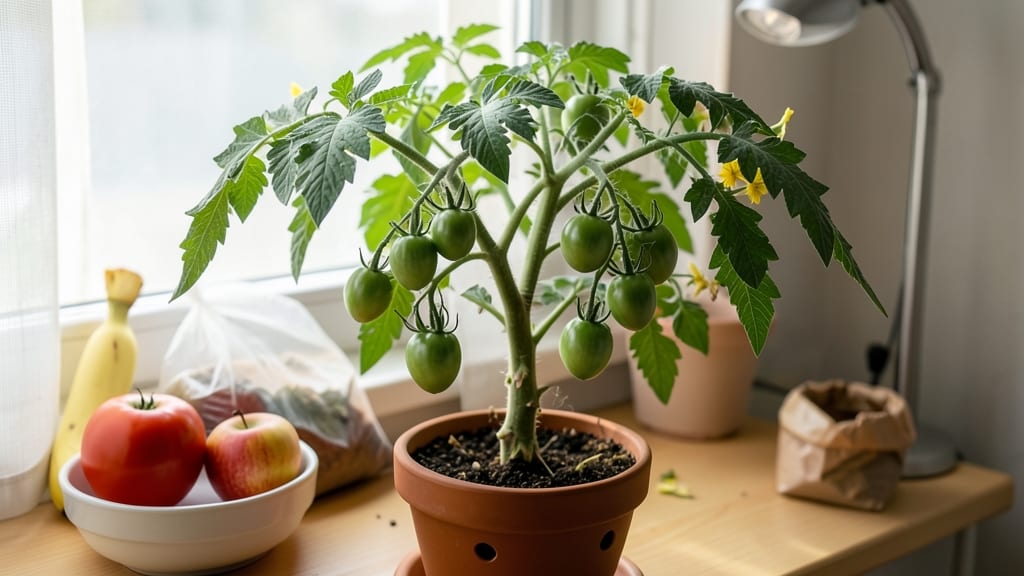
Yes, green tomatoes can absolutely be ripened indoors using simple household methods that harness natural ripening agents. Place them in a paper bag with a ripe banana or apple, keep them in a warm (70–75°F) spot, or expose them to ethylene gas. With proper conditions and ventilation, they'll typically ripen in 3–7 days.
This works because tomatoes naturally produce ethylene gas as they ripen, and adding ethylene sources like fruit speeds up the process. 🌱 The key is maintaining a warm, humid environment while preventing mold by leaving small ventilation holes in the bag.
I've found that smaller tomatoes like cherry varieties ripen faster than larger beefsteak types, so adjust your expectations based on size. For best results, check daily and remove any tomatoes that start to spoil to protect the others.
If you don't have bananas or apples, other ethylene-producing fruits like avocados or pears work just as well. The warm temperature mimics greenhouse conditions, while the enclosed space concentrates the ethylene gas. Just remember to avoid plastic bags—paper breathes better and prevents condensation that could lead to rot.
💡 In This Article
- How Ethylene Gas Accelerates Green Tomato Ripening
- Step-by-Step Guide to Ripening Tomatoes Indoors
How ethylene gas accelerates green tomato ripening
Ethylene gas is the natural plant hormone that triggers ripening in tomatoes and many other fruits.
When a tomato turns green, it's essentially paused in its ripening cycle—ethylene production ramps up only when conditions are right. 🌱 The hormone works by binding to receptors in the tomato's cells, activating enzymes like polygalacturonase that break down cell walls, softening the fruit and converting starches into sugars.
Bananas and apples release high levels of ethylene (up to 100 parts per million per hour), which is why they're the go-to ripening partners.
Temperature is the game-changer here—ethylene works best between 68-77°F, with 70-75°F being ideal. Below 50°F, ethylene production slows dramatically, while above 86°F, the gas breaks down faster, reducing effectiveness.
Humidity also matters: too dry (30% RH) causes the tomatoes to lose moisture and shrivel, while too humid (> 90% RH) creates condensation that promotes mold. That's why paper bags (which maintain 80-85% RH) are perfect—they trap ethylene while allowing gentle airflow.
Ventilation is non-negotiable for two reasons. First, ethylene gas dissipates quickly in open air, so the enclosed space concentrates it near the tomatoes.
Second, without airflow, trapped moisture leads to bacterial growth. 💫 I've seen batches of tomatoes develop fuzzy mold within 48 hours when sealed too tightly—always poke 2-3 small holes in the bag to balance gas concentration with fresh air.
The sweet spot is like a mini greenhouse: warm, humid, but not suffocating.
Ethylene isn't just about speed—it also influences color development. The hormone triggers the breakdown of chlorophyll (the green pigment) and activates lycopene production (the red pigment). That's why tomatoes ripened with ethylene turn a deeper, more vibrant red compared to those left on the vine.
The process also enhances flavor by converting starches into simple sugars, making the fruit taste sweeter and more complex—almost like the difference between a store-bought tomato and one from your garden.
For those who want to experiment, commercial ethylene generators (like those used for flower ripening) can produce 10-50 ppm of ethylene per hour, but they're overkill for home use.
A simple paper bag with an apple works just as well, producing 1-5 ppm per hour—enough to ripen tomatoes in 3-7 days without the need for fancy equipment. The key is consistency: check your tomatoes daily and rotate them to ensure even exposure to the gas.
What most people don't realize is that ethylene production varies by tomato variety. Heirloom types like Brandywine or Cherokee Purple respond slower (often taking 7-10 days) because they have thicker skins and lower natural ethylene sensitivity.
On the other hand, hybrid varieties like Celebrity or Early Girl ripen in just 3-5 days under the same conditions. This is why adjusting your expectations based on the tomato's size and type is crucial for success.