
Propagation
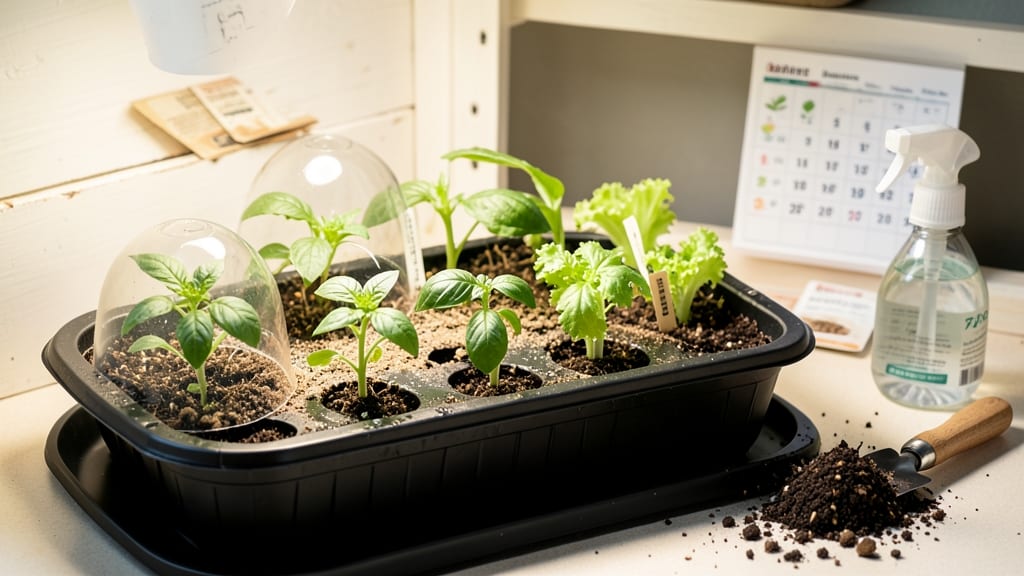
Starting seeds indoors in Zone 4 at the right time means the difference between a thriving garden and a sad pile of frozen seedlings 🌱—and the clock starts ticking in early February.
Timing is everything in gardening—especially in Zone 4, where cold snaps can turn tender seedlings into frozen casualties. Start seeds indoors too early, and you’ll waste space; too late, and your harvest arrives when summer’s already fading. Here’s the exact schedule you need to avoid both mistakes.
Most Zone 4 gardeners follow a simple rule: 4-6 weeks before the last frost, which typically lands in late February to early March.
But that’s just the starting point—cool-season crops like spinach and peas can handle earlier starts, while tomatoes and peppers need a head start indoors to mature before summer’s heat kicks in.
Below, I break down the perfect indoor seed-starting timeline for your region, including when to harden off seedlings, how to adjust for late frosts, and which fast-growing plants to prioritize if you’re new to seed starting.
Zone 4 seed starting dates by plant type (exact weeks before last frost)
Zone 4 gardeners face a 150-day growing season, so timing your indoor seed starts is critical. The average last frost date is May 15, but early frosts can push this back to June 1.
Start too early, and seedlings outgrow their containers; too late, and your tomatoes or peppers won’t mature before fall. Below is a plant-by-plant breakdown of exact weeks before last frost to start seeds indoors.
For cool-season crops like kale or spinach, you can start seeds 6-8 weeks before last frost (late March).
These cold-hardy plants tolerate light frosts and can even be direct-sown after frost. Warm-season crops, including tomatoes, peppers, and cucumbers, need a head start of 8-12 weeks indoors to reach maturity before fall frost.
Use this summary-table as your guide, adjusting for your local frost dates (check the USDA Plant Hardiness Zone Map for precise timing). For example, if your last frost is June 1, shift all start dates 2 weeks later than the averages below.
Tomatoes and peppers are the trickiest for Zone 4 gardeners. Since they need 80-90 days to mature, starting them 6-8 weeks before last frost ensures they’re ready by July. Use grow lights if your windows are dim—seedlings stretched toward light are leggy and weak. For early varieties, like 'Stupice' tomatoes, you can push start dates to 4-6 weeks before frost.
If you’re in Zone 4a (colder microclimates like Duluth, MN or Burlington, VT), shift all start dates 1-2 weeks earlier to account for shorter seasons. For Zone 4b (e.g., Chicago, IL or Portland, ME), you have slightly more flexibility.
Always monitor your local weather forecasts—a late frost can delay planting by 2-4 weeks.
For succession planting, like bush beans or radishes, start new batches every 2 weeks after your initial sowing. These fast growers (30-50 days to harvest) give you multiple harvests before fall.
Mark your calendar for July 15, the ideal cutoff for starting warm-season crops—any later, and they won’t reach maturity before frost.
Pro tip: Use seedling heat mats for slow germinators like peppers and onions. Keep soil temps at 75-85°F to speed up germination. Once seedlings have 2-3 true leaves, harden them off for 1 week before transplanting. This acclimation process reduces shock and boosts survival rates.
Don’t forget cold frames or row covers for extending your season. If a late frost threatens, these tools can buy you <
How to adjust your seed starting timeline for Zone 4’s unpredictable weather
Zone 4’s weather can throw off even the most experienced gardener. One day it’s 60°F and sunny, the next it’s a 20°F freeze. To protect your seedlings, I’ve learned to build flexibility into my planting schedule.
The key is having backup transplant dates and knowing when to switch to containers if outdoor conditions fail.
Start by calculating your last frost date—typically around May 15 in Zone 4—but always check local forecasts. Then, add 4-6 weeks before that date for most vegetables. However, if your spring is unusually cold, delay starting heat-loving crops like tomatoes or peppers until late March instead of February.
⚠️ callout-warning ⚠️
If a late frost threatens, delay transplanting by 2-3 weeks or use row covers to protect tender plants. For warm-season crops, prioritize fast growers like bush beans or radishes—they mature quickly if frost strikes.
Pro Tip: Keep seedlings in containers until soil warms to 50°F—use a soil thermometer to check!
For extra security, I harden off seedlings 10-14 days before transplanting. Place them outdoors in partial shade for a few hours daily, gradually increasing exposure. This toughens stems and reduces shock when moved to the garden. If temperatures drop unexpectedly, bring them back inside overnight.
If outdoor conditions fail entirely, switch to container gardening. Use 5-gallon pots for tomatoes or hanging baskets for herbs—both thrive on patios or balconies. Just ensure containers get 6+ hours of sun and use lightweight potting mix to prevent root rot.
Finally, track your progress with a garden journal. Note when you started seeds, transplanted, and harvested. Over time, you’ll spot patterns—like early frosts in April or heatwaves in June—and adjust your timeline accordingly.
With these strategies, you’ll beat Zone 4’s unpredictability and still enjoy a bountiful harvest—even if Mother Nature throws curveballs! 🌱