
Planting
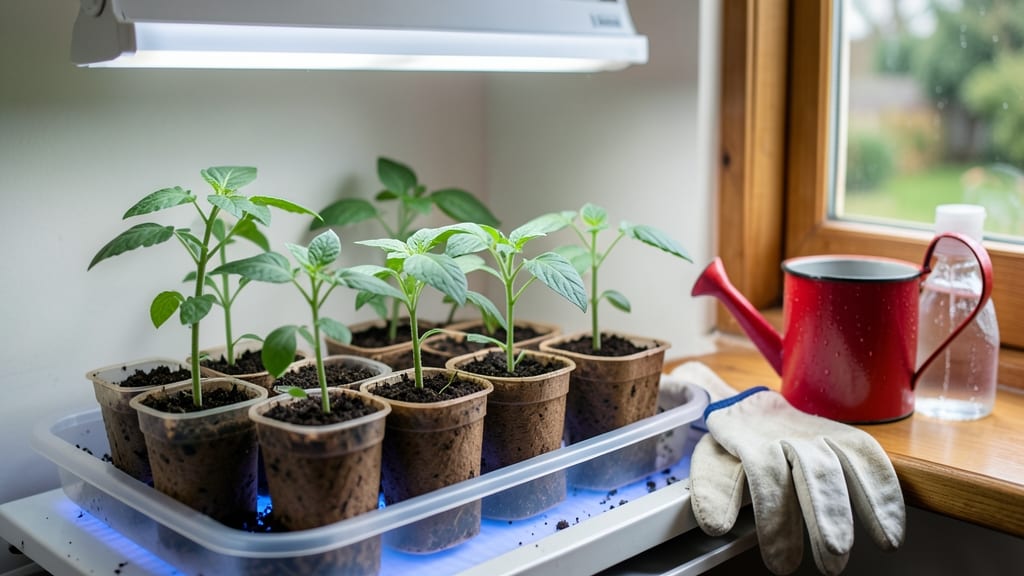
To plant seedlings indoors at the right time means starting 6-8 weeks before your last frost—a window that keeps your 🌱 thriving and avoids the dreaded "stunted sprout" syndrome.
Picture this: You’ve got your seed trays ready, the soil is fluffy, and you’re eager to see those first sprouts. But if you start too early, you’ll be wrestling with leggy, weak seedlings by spring. Too late, and you’re scrambling to transplant before the weather cooperates.
This guide breaks down the perfect timing for your region, the fastest-growing seeds to prioritize, and how to tweak your schedule for peak germination speed—no guesswork, just results.
You’ll learn how to calculate your exact planting window, spot common mistakes that slow growth, and transition seedlings outdoors with confidence. Ready to set your plants up for success?
Indoor seedling planting timeline by seed type and last frost date
Getting your seedling timeline right is like setting a garden clock—miss the mark, and you'll either have overgrown seedlings crowding your windowsill or tiny, fragile plants struggling to survive transplant shock. The key?
Matching your indoor planting window to your last frost date and the germination speed of your chosen plants. Fast growers like radishes and lettuce need only 4-6 weeks indoors, while slow growers like tomatoes and peppers require 8-12 weeks to reach transplant size.
Your USDA frost zone plays a starring role here. In Zone 3, where last frosts can linger until mid-May, you'll start most seedlings indoors by February 1st. But in Zone 10, with mild winters, you might delay until March 15th.
The goal? Seedlings should be 3-4 inches tall with 4-6 true leaves when you transplant them outdoors—just as your soil warms up.
| Plant Type | Germination Time | Indoor Start Window (USDA Zones) | Days to Transplant-Ready | Last Frost Date Target | Notes |
|---|---|---|---|---|---|
| Fast-Growers | 5-14 days |
Zone 3: March 1-15
Zone 6: February 15-March 1
Zone 10: February 15-28
|
4-6 weeks | April 15-May 15 | Ideal for lettuce, radishes, spinach, kale |
| Medium-Growers | 7-21 days |
Zone 3: February 15-March 1
Zone 6: January 20-February 15
Zone 10: January 30-February 15
|
6-8 weeks | April 1-May 1 | Include broccoli, cabbage, beets, carrots |
| Slow-Growers | 14-30+ days |
Zone 3: January 15-February 1
Zone 6: January 1-February 15
Zone 10: December 20-January 15
|
8-12 weeks | March 15-April 15 | Critical for tomatoes, peppers, eggplants, basil |
| Very Slow-Growers | 30-60+ days |
Zone 3: December 15-January 15
Zone 6: November 20-December 15
Zone 10: October 30-November 15
|
10-14 weeks | February 15-March 15 | For trees, shrubs, perennials—start early! |
Let’s break down why this timeline matters. Germination speed isn’t just about how quickly seeds sprout—it’s about how long it takes for seedlings to develop true leaves and root systems strong enough to handle outdoor conditions.
A radish, for example, might sprout in just 5 days but need only 4 weeks total to reach transplant size, while a tomato can take 7-10 days to germinate but requires 8-10 weeks indoors to avoid stunting.
Here’s how to use this heat map: First, find your last frost date (check your local USDA zone map or ask your cooperative extension service for precise data). Then, work backward from that date using the days to transplant-ready column.
For instance, if your last frost is April 30th and you’re growing peppers (a slow grower), you’ll start seeds indoors by February 15th to ensure they’re ready by late April.
Don’t overlook light and temperature during this window. Seedlings need 12-16 hours of light daily—supplement with grow lights if your windowsill is dim. Keep temperatures between 65-75°F for optimal growth, and avoid drafts or heat sources that can cause temperature fluctuations.
A seedling heat mat can help speed germination for slow starters like peppers or eggplants.
One common mistake? Starting seeds too early. If you plant tomatoes in December for a Zone 6 garden, you’ll end up with overcrowded, leggy seedlings by transplant time. The solution? Use the comparison table above to pick your plant type and zone, then mark
How to calculate your exact indoor planting window for maximum germination speed
Getting your indoor seedling schedule right isn't just about guessing—it's about matching your seed type with your local frost dates and plant maturity needs. One wrong move, and you'll either have overgrown seedlings or stunted plants.
The key is understanding how long each plant needs indoors before it's ready for the garden, then working backward from your last frost date.
Start by checking your seed packet for days-to-maturity estimates. For example, lettuce might need just 30-45 days indoors, while tomatoes could require 6-8 weeks. Then, find your last frost date (use the USDA zone map or local extension service). This tells you when your plants can safely go outside.
Here's a simple formula: Maturity Days - Indoor Days = Planting Window. For instance, if your peppers need 120 days to mature and you want 8 weeks indoors, you'll plant them 10 weeks before your last frost. This ensures they're ready to transplant at the perfect time.
Pro Tip: Use a germination speed chart to adjust for fast vs. slow starters. Fast growers like radishes can go in later, while slow growers like basil need an earlier start. Your local climate also plays a role—cooler zones need earlier starts than warmer ones.
📅 Step-by-Step Indoor Planting Calculator
- 📝 Step 1: Find your last frost date (check USDA zone map or local records).
- 🌱 Step 2: Pick your seed type and check its days-to-maturity on the packet.
- ⏳ Step 3: Subtract your indoor growing time (e.g., 6-8 weeks for most veggies).
- 📅 Step 4: Calculate your planting window (e.g., if last frost is April 15 and you need 8 weeks indoors, plant by February 15).
- 🌡️ Step 5: Adjust for germination speed—fast seeds (like lettuce) can wait; slow seeds (like tomatoes) need an earlier start.
- ☀️ Step 6: Set up grow lights or a sunny window to ensure 12-16 hours of light daily.
- 🌱 Step 7: Harden off seedlings 1-2 weeks before transplanting by gradually exposing them to outdoor conditions.
Don't forget to account for regional variations. If you're in Zone 5, you might start seeds in February, while Zone 10 gardeners can wait until March or April.
Always err on the side of starting too early—you can always transplant later, but you can't rush a seedling's growth.
Once you've nailed your planting window, use a seedling journal to track progress. Note when you plant, when sprouts appear, and when seedlings are ready to harden off. Over time, you'll refine your schedule and achieve faster germination and healthier transplants every season.
With this method, you'll avoid the heartbreak of stunted seedlings or overgrown plants that outgrow their containers. Happy planting! 🌱