
Pruning
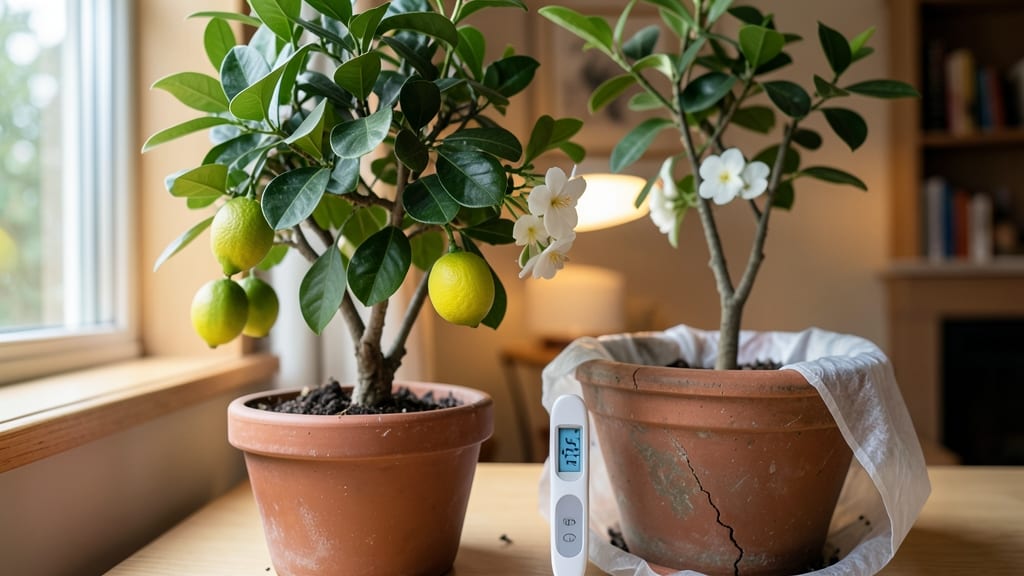
Bringing your lemon tree indoors at the right time saves it from frost damage and keeps those bright 🍋 leaves lush year-round.
Your lemon tree’s vibrant green leaves might be giving you a silent warning—dropping too soon could mean frost is on the way, but waiting too long risks stunted growth. Timing is everything when bringing your citrus tree indoors, and these exact temperature triggers will save your plant (and your patience).
In USDA Zone 6a (and cooler), aim to move your lemon tree indoors before nighttime temps dip below 55°F (13°C). In warmer zones (8-11), wait until 45°F (7°C), but don’t push it past the first frost—leaves yellowing or curling are your first clues it’s time to act.
Below, I’ll walk you through the exact temperature thresholds, how to read your tree’s warning signs, and the easiest transition steps to keep your lemon tree thriving indoors all winter.
Exact temperature triggers to bring lemon tree indoors before frost
Lemon trees thrive in warmth but struggle when temperatures dip below 55°F (13°C). This is your first warning sign to start preparing for their indoor move. Unlike hardy plants, citrus trees can suffer irreversible damage if exposed to freezing temperatures (32°F/0°C) or frost, so timing is critical.
Understanding these temperature thresholds ensures your tree transitions smoothly without stress or shock.
Monitor local weather forecasts daily, especially in USDA zones 9-11, where frost is rare but possible during unexpected cold snaps. For gardeners in cooler zones (6-8), the stakes are even higher—your lemon tree may need to move indoors as early as September to avoid damage.
Use a thermometer near your tree to track nighttime lows, as these are often the most dangerous.
Here’s a clear breakdown of when to act based on temperature thresholds and regional considerations:
In USDA zones 9-11, where frost is uncommon, you can often wait until nighttime temps drop below 45°F (7°C) before acting. However, if your area experiences unpredictable cold snaps, like coastal California or Florida, err on the side of caution and move your tree indoors by mid-October.
For zones 6-8, start preparing as early as September—delaying until frost hits can lead to leaf drop, bud death, or even tree mortality.
Use a local frost date calculator (available from the National Weather Service or university extension offices) to pinpoint your region’s first frost date. For example, in Zone 8, first frost often arrives by November 15, while Zone 10 may see frost as late as December 15.
Adjust your timeline accordingly, but always prioritize proactive protection over reactive fixes.
If you’re unsure whether to move your tree, check for early warning signs like yellowing leaves or slowed growth—these indicate stress from cooler temps. In warmer microclimates (e.g., near heat-retaining walls or in containers), you might extend outdoor time slightly, but never risk frost exposure.
A 10-minute outdoor check at dawn can reveal dew or chilly breezes that signal it’s time to act.
Pro tip: If your lemon tree is in a container, it’s easier to move indoors. For in-ground trees, consider wrapping the trunk with burlap and covering the canopy with a frost blanket as a temporary solution while you prepare a permanent indoor spot.
This buys you critical time to transition your tree safely without rushed decisions.
Once indoors, place your lemon tree near a south-facing window to mimic its outdoor light needs. Avoid drafty areas like near doors or windows, and maintain 60-70% humidity with a humidifier or pebble tray. This mimics the tropical conditions your tree thrives in and reduces transplant shock.
Remember, the key to saving your lemon tree isn’t just reacting to frost—it’s anticipating temperature drops and planning ahead. By mastering these temperature triggers, you’ll ensure your citrus tree stays healthy, productive, and ready to bear fruit year after year.
Leaf drop warning signs: how to tell if your lemon tree needs immediate protection
Your lemon tree may be silently signaling distress through leaf drop or discoloration before frost arrives. Unlike normal seasonal changes, these warning signs often indicate your tree is already stressed and needs protection.
The key is distinguishing between reversible damage (like early leaf drop from temperature shifts) and irreversible harm (such as frost damage to branches).
Start by checking for yellowing leaves that appear brittle or curl at the edges—a classic sign your tree is reacting to cooler nights. If leaves drop prematurely (before autumn shedding), it’s a red flag that temperatures are dropping too fast for your citrus tree’s comfort.
Compare this to normal fall behavior, where lemon trees naturally shed older leaves as growth slows.
🌱
When to Bring Lemon Tree Indoors: Pros & Cons
Pros of Early Transition
- ✅ Prevents frost damage to leaves and branches
- ✅ Reduces stress from rapid temperature swings
- ✅ Maintains growth during cooler months
- ✅ Protects fruit from premature dropping
Cons of Waiting Too Long
- ❌ Frost kills leaves and weakens the tree
- ❌ Root shock from sudden indoor move
- ❌ Stunted growth if moved after dormancy begins
- ❌ Pest risks increase in stressed trees
Best Time to Move: When nighttime temps drop to 55°F (13°C) consistently
If you notice leaf curling or spots on leaves, your tree may already be battling fungal issues from damp conditions—a common problem when citrus trees aren’t properly acclimated. Check the undersides of leaves for white powdery mildew or dark brown patches, which signal it’s time to act fast.
These issues often worsen if you delay moving indoors.
Another critical sign is premature fruit drop. If lemons fall before ripening, your tree is prioritizing survival over fruiting—a clear indicator it’s struggling with environmental stress.
Compare this to normal shedding, where only overripe or damaged fruit detaches. If you see healthy fruit dropping, your tree needs immediate protection from dropping temperatures.
For irreversible damage, look for blackened leaves or brown, crispy edges—these are telltale signs of frost exposure. Unlike reversible stress (like yellowing from cooler temps), frost damage can’t be undone, so act before temperatures hit 45°F (7°C) at night.
Use a thermometer near your tree to monitor trends accurately.
🌿