
Container Gardens
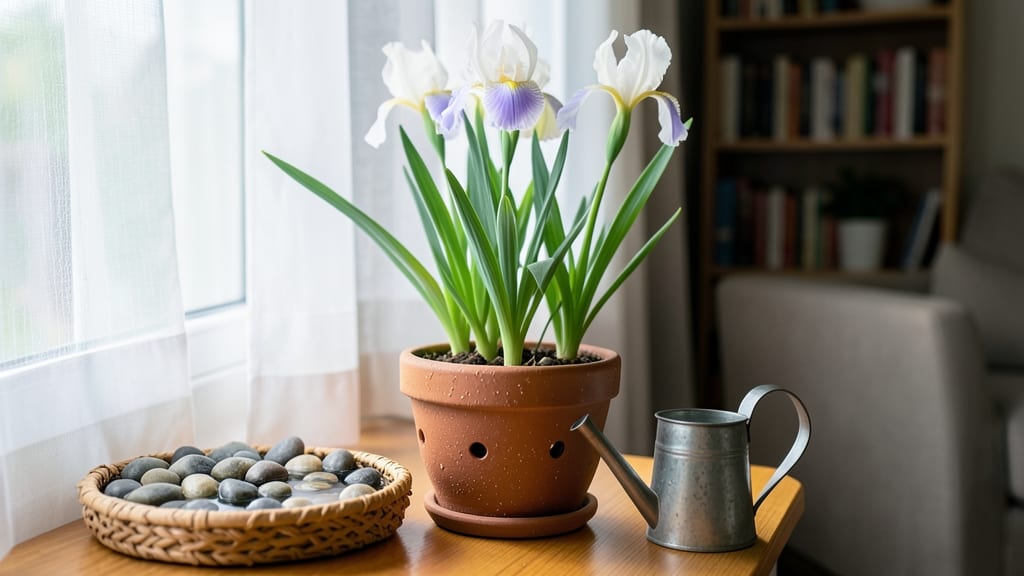
Growing walking iris indoors means purple blooms all year—no yard needed. 🌿 The trick is mimicking their natural habitat with the right container, soil, and light. I’ve kept mine thriving for three winters by treating them like finicky houseguests: bright light, careful watering, and a little seasonal rest.
Start with a shallow, wide container (at least 12 inches across) and a mix of potting soil and perlite for drainage. Walking iris hate soggy roots, so your pot must have drainage holes.
Place them near an east-facing window or under a grow light for 12-14 hours daily—too little light means fewer blooms. By adjusting humidity (a pebble tray helps) and pruning spent blooms, you’ll get three to four bloom cycles a year.
The rhizomes stay compact, and the foliage stays lush. Just watch for yellow leaves—usually a sign of overwatering or poor drainage. Works for Iris ensata and similar varieties. Here’s how to keep them blooming indoors without the guesswork!
📚 In This Guide
- What you need
- Instructions
- Tips and common mistakes
- Wrapping up and next steps
What you need
- ● Walking Iris Rhizomes: 3–5 mature, healthy rhizomes (ensure they have visible "fans" of leaves and firm, plump roots).
- ● Well-Draining Potting Mix: 1–2 gallons of a chalky, gritty blend (e.g., 50% cactus/succulent mix + 50% perlite/pumice). Critical: Avoid peat-heavy soils!
- ● Containers: 1–2 shallow, wide pots (12–16" diameter) with drainage holes. Terracotta or ceramic works best.
- ○ Optional: Grow bags (for temporary overwintering).
- ● Pruning Tools: Sharp bypass pruners (sterilized with rubbing alcohol).
- ● Clean gardening shears (for leaf trimming).
- ○ Grow Lights: 1–2 full-spectrum LED grow lights (1,000–2,000 lumens, adjustable height). Optional but key for winter!
- ● Humidity Tray: 1 shallow tray + pebbles (to maintain 40–60% humidity).
- ● Watering Can: With a narrow spout (to avoid wetting rhizomes).
- ● Rhizome Soak: Fungicide solution (e.g., neem oil or hydrogen peroxide 3%) to prevent rot.
- ● Thermometer/Hygrometer: To monitor 60–75°F temps and humidity.
- ● Slow-Release Fertilizer: Balanced 10-10-10 granules (sprinkle lightly post-planting).
- ● Decorative Mulch: Ornamental pebbles (to hide soil and deter pests).
How to bring walking iris indoors for year-round blooms
Here's how to transform your summer iris into an indoor showstopper with the right light tricks and pruning precision.
🪴 Step 1: Select the Right Plant and Prepare Its Home
Choose a healthy walking iris with thick rhizomes and at least three fan-shaped leaves per plant. These plants thrive in bright, indirect light—think east or west-facing windows—or under grow lights for 12-14 hours daily. A 6-inch pot with drainage holes is perfect for each plant, as walking iris hate soggy roots.
Fill the pot with well-draining potting mix (a blend of 50% peat moss, 30% perlite, and 20% sand works well). Tap the pot gently to settle the soil without compacting it. The goal is a loose, airy medium that mimics their natural, well-drained habitat. Avoid garden soil—it’s too dense and retains too much moisture.
☀️ Step 2: Transition the Plant Indoors Gradually
Don’t shock your iris by moving it indoors abruptly. Start 2 weeks before the first frost by placing it in a shaded, sheltered outdoor spot for 1-2 hours daily. Gradually increase the time indoors over 7-10 days, watching for signs of stress like drooping leaves or yellowing foliage.
Once fully indoors, position the pot near a bright window or under grow lights. Walking iris need moderate to high humidity—mist the leaves 2-3 times weekly or place the pot on a tray filled with pebbles and water to create a self-watering humidifier. Avoid cold drafts, like near doors or windows in winter.
✂️ Step 3: Prune for Indoor Growth and Blooms
Cut back dead or damaged leaves to 2 inches above the rhizome using sterilized scissors. This encourages new growth and redirects energy toward flowering. Avoid pruning healthy leaves—walking iris store nutrients in their foliage, and removing too much can stunt future blooms.
After pruning, reduce watering slightly. Let the top inch of soil dry out between waterings—overwatering is the #1 killer of indoor iris. Fertilize lightly with a balanced, water-soluble fertilizer (like 10-10-10) every 4-6 weeks during the growing season (spring and summer). In fall and winter, cut back to once every 8-10 weeks to mimic their natural dormancy cycle.
🌱 Step 4: Encourage Year-Round Blooms with Light Tricks
Walking iris bloom in response to daylight changes. To trigger flowers indoors, provide 12-14 hours of bright light daily—supplement with grow lights if natural light is insufficient. Place the lights 6-12 inches above the plant and adjust the height as the iris grows to maintain even light exposure.
Rotate the pot a quarter turn weekly so the plant grows upright instead of leaning toward the light. You’ll notice new growth emerging from the rhizome within 4-6 weeks—this is your signal that the plant is adjusting well. If blooms don’t appear after 8-10 weeks, increase light exposure or adjust the fertilizer ratio to higher phosphorus (like 5-10-5) to encourage flowering.
⏰ Step 5: Maintain Dormancy in Winter for Stronger Spring Growth
In late fall, reduce watering further and stop fertilizing until early spring. Let the soil dry out completely between waterings—this mimics the natural dormancy period and prevents root rot. Keep the iris in a cool (55-65°F) but bright location, like a basement with a window or a garage with grow lights.
Resume normal watering and fertilizing in early spring as new growth appears. This cycle of dormancy and active growth ensures your walking iris remains healthy and produces vibrant blooms year after year. With the right light and pruning, you’ll enjoy indoor iris blooms even in winter—a rare treat for houseplant lovers!
Tips & tricks for perfect indoor walking iris care
Here's what I've learned from years of keeping walking iris indoors—these little details make all the difference between a struggling plant and a thriving showstopper.
The Light Factor: Those 12-14 hours of bright light daily are non-negotiable for blooms. If your windows don't provide enough natural light, invest in a quality LED grow light—they're energy-efficient and mimic sunlight perfectly. Place it 6-12 inches above the plant and adjust as it grows. I've seen dramatic differences when I moved mine from a regular bulb to a grow light during winter months.
Transition Timing: That 2-week gradual transition before first frost is crucial. I learned this the hard way—rushing the process caused my iris to go into shock and drop leaves. Start with just 1-2 hours daily in a sheltered spot, then increase by 30 minutes every few days. Watch for stress signals like yellowing leaves or drooping foliage—they're your plant's way of saying "slow down."
Pruning Precision: When cutting back to 2 inches above the rhizome, use sharp, sterilized scissors to make clean cuts. I always sterilize my tools with rubbing alcohol between plants to prevent disease spread. The key is to remove only dead or damaged leaves—healthy leaves store nutrients the iris needs for future blooms. After pruning, I give my plants a week to recover before resuming normal care.
Humidity Hack: Walking iris love that moderate to high humidity we create with misting or pebble trays. For extra insurance, I place my pot on a saucer filled with water and pebbles, then set it on top of a larger tray to catch any overflow. This creates a self-sustaining humid environment without the risk of root rot from soggy soil. During winter when indoor air gets dry, I increase misting to 3-4 times weekly to keep the leaves happy.
Pro Tips for Walking Iris Indoors
- Here's what I've learned from years of keeping walking iris indoors—these little details make all the difference betw...
- The Light Factor: Those 12-14 hours of bright light daily are non-negotiable for blooms. If your windows don't provid...
- Transition Timing: That 2-week gradual transition before first frost is crucial. I learned this the hard way—rushing ...
Frequently asked questions
Got questions about keeping your walking iris indoors thriving? You’re not alone! Here are some common concerns—and expert answers—to help you grow these stunning blooms year-round with confidence.
Can I grow walking iris indoors without a greenhouse?
While they thrive outdoors, walking iris can adapt indoors with the right setup. Use a bright, south-facing window or grow lights (12–14 hours/day) to mimic sunlight. A well-ventilated space with humidity (like a bathroom or kitchen) and a temperature between 60–75°F works best. Just avoid drafts or extreme heat!
How do I adjust their care for indoor growing?
Indoor iris need less water than outdoors—let the top inch of soil dry before watering. Rotate the pot weekly for even light exposure, and fertilize lightly every 6–8 weeks with a balanced, water-soluble fertilizer. Prune spent blooms to encourage reblooming, but avoid cutting into the rhizomes.
Why aren’t my indoor walking iris blooming?
Lack of light or improper dormancy are the top culprits. Ensure they get bright, indirect light (or grow lights). After blooming, mimic their natural rest by reducing water slightly and keeping them cooler (55–65°F) for 6–8 weeks. Over-fertilizing can also stunt flowers—stick to a gentle routine!
What’s the best indoor pot for walking iris?
Choose a shallow, wide pot with drainage holes to prevent root rot. Terracotta or ceramic pots help regulate moisture, but avoid plastic if humidity is high. Elevate the rhizomes slightly (never buried) to keep them dry and airy—this mimics their outdoor habitat and prevents rot.
Can I bring my walking iris indoors seasonally?
Yes! Start by hardening off your plants 2 weeks before moving them inside—gradually reduce outdoor exposure. Repot if roots are crowded, and inspect for pests (like spider mites) before indoor placement. Acclimate them to indoor temps slowly to avoid shock. Just remember: they’ll need a dormant period even indoors!
Wrapping up and next steps
Bringing the beauty of walking iris indoors is totally doable—just combine smart pruning, the right light tricks, and a little patience! 🌱 With the right setup, you can enjoy their stunning blooms year-round while keeping your plant happy and healthy.
Now that you’re armed with the know-how, why not take the next step?
🌟 Your Next Move:
- Experiment! Try different light sources or pruning techniques to see what works best for your space.
- Share the joy! Snap a photo of your thriving indoor iris and tag us—we’d love to see your progress!
- Expand your collection. Once you’ve mastered one, consider adding more varieties to your indoor garden!