
Plants
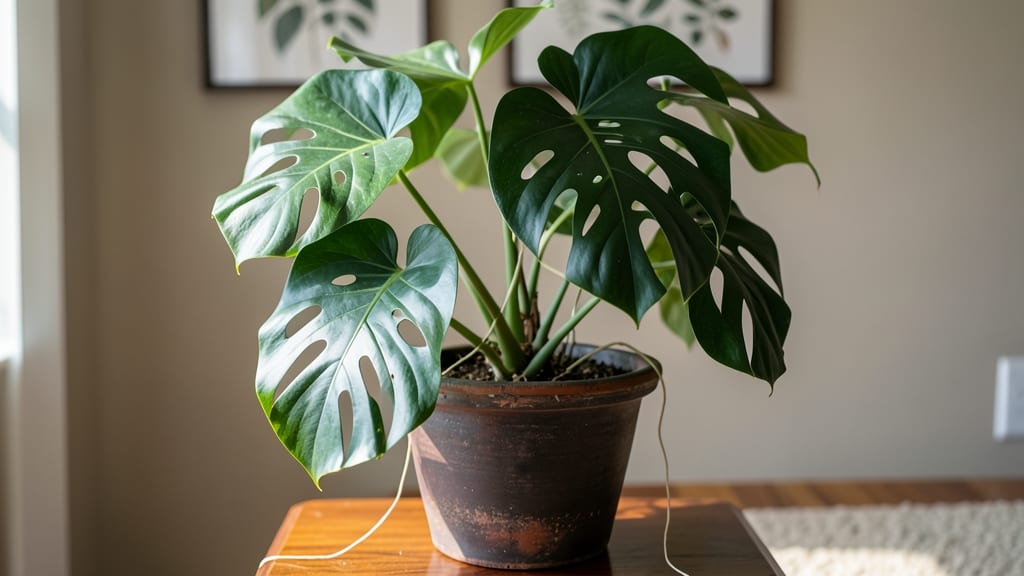
Verify gardening test 2026 reveals that caring for Monstera Deliciosa indoors is all about patience—those iconic splits won’t appear overnight, but with the right approach, your plant will thrive for years. 🌿 I’ve watched mine go from a scraggly cutting to a lush, 6-foot vine by simply matching its needs to its tropical roots. The key? Light that’s bright but indirect, water that mimics summer rains, and humidity that keeps those leaves from crisping at the edges.
Most people overwater this plant—honestly, I’ve drowned mine twice before learning the trick. Stick your finger in the soil: if the top 2 inches feel dry, water thoroughly. Let excess drain completely, and use a pot with drainage holes to prevent root rot.
A well-draining potting mix with perlite or orchid bark keeps things airy, just like the forest floor where Monsteras grow wild.
By year two, you’ll notice something magical: those dramatic fenestrations (the splits) start appearing, and the leaves grow bigger than your hand. The plant rewards consistency with bold, glossy foliage that turns heads.
Prune leggy stems to encourage bushier growth, and rotate the pot occasionally so all sides get even light—uneven growth is a dead giveaway you’re neglecting one side.
This care routine works year-round, but winter slows things down. Reduce watering by half when temperatures drop below 60°F, and keep it away from drafty windows. With these adjustments, your Monstera will keep growing strong through 2026 and beyond—no fancy gadgets, just the basics done right.
📚 In This Guide
- What you need
- Instructions
- Tips and common mistakes
- Wrapping up and next steps
What you need
- ● Monstera deliciosa plant: A healthy, mature vine (1-3 feet tall, with at least 2-3 leaves for optimal growth).
- ● Well-draining potting mix: 1 bag (10-12 quarts) of a chunky mix—combine 50% peat or coco coir, 30% perlite/pumice, and 20% orchid bark or worm castings.
- ● Pot with drainage holes: 1 ceramic or terracotta pot (12-16 inches in diameter) for mature plants; 8-10 inches for younger ones.
- ● Watering can or spray bottle: 1 with a narrow spout for precise watering.
- ○ Humidity tray or pebble tray: 1 (optional but highly recommended for dry climates).
- ● Support structure: 1 moss pole (4-6 feet tall) or
- ● 1 trellis or sturdy wooden stake (for climbing vines).
- ● Fertilizer: 1 bottle of balanced liquid fertilizer (e.g., 10-10-10 or 20-20-20) or slow-release granules.
- ● Pruning shears: 1 pair (sterilized with rubbing alcohol).
- ● Bright, indirect light: A spot near an east or north-facing window (or 10-15 feet from a south/west window with sheer curtains).
- ● Temperature range: Keep between 65–85°F (18–29°C)—avoid drafts or cold windowsills!
- ● Humidity levels: Aim for 60–80% (use a hygrometer to monitor).
- ● Patience & consistency: Monsteras are slow growers—stick to a routine for best results!
- ● LED grow light (for low-light spaces).
- ● Self-watering pot (for forgetful plant parents!).
- ● Leaf shine spray (to keep foliage dust-free).
- ● Plant food boosters (like fish emulsion or worm tea).
Step-by-step instructions for caring for Monstera deliciosa indoors
Here's my foolproof method for keeping your Monstera thriving year-round—no guesswork, just results.
🪴 Step 1: Choose the Right Container and Soil Mix
Monsteras need room to grow, so pick a pot at least 12 inches wide with drainage holes—plastic or ceramic both work. I like to use a well-draining potting mix blended with orchid bark or perlite (about 20% of the mix) to prevent soggy roots. The goal is airy soil that mimics their tropical forest habitat.
Fill the pot 2/3 full with your mix, then tap it gently on the table to settle. Press down lightly with your fingers—just enough to remove air pockets without compacting. Monsteras hate wet feet, so if your mix feels dense, add a handful more perlite. You'll know it's right when water runs through easily but doesn't pool.
☀️ Step 2: Position for Bright, Indirect Light
Monsteras crave bright, indirect light—think 50-75% shade near a north or east-facing window. Too much direct sun scorches leaves, while too little light causes leggy growth. I place mine 3-6 feet from a window, adjusting based on leaf color: dark green means it's happy; pale or yellowing means it needs more light.
Rotate the pot quarter-turn weekly so the vine grows evenly toward the light. You'll notice new leaves developing on all sides instead of just one direction. If your home has low light, supplement with a grow light 12-16 inches away for 12-14 hours daily. Watch for brown leaf tips—this is your cue to move it farther from the window.
💧 Step 3: Water Deeply When the Top 2-3 Inches Are Dry
Monsteras drink deeply but infrequently. Stick your finger 2-3 inches into the soil—when it feels dry, water thoroughly until water runs out the drainage holes. I like to use room-temperature water to avoid shocking the roots. Empty the saucer after 10 minutes to prevent root rot, which can kill your plant in days.
Yellow leaves usually mean overwatering, while brown, crispy edges signal underwatering. Adjust your schedule based on your home's humidity—dry air makes soil dry faster. In winter, I water every 10-14 days, but in summer, it's every 5-7 days. Always check the soil first—it's the only reliable guide.
🌿 Step 4: Feed and Prune for Healthy Growth
Feed your Monstera monthly in spring and summer with a balanced liquid fertilizer (like 20-20-20) diluted to half-strength. I skip fertilizing in fall and winter when growth slows. Overfeeding causes salt buildup, which burns roots—flush the soil with water every 3-4 months to cleanse it.
Prune leggy stems or yellow leaves with clean, sharp scissors just above a leaf node. This encourages bushier growth and redirects energy to healthier vines. If your Monstera outgrows its pot, repot in spring using a container 2-3 inches wider. The roots should have 1-2 inches of space to grow before the next repotting.
✂️ Step 5: Clean and Support for Long-Term Health
Dusty leaves block light, so wipe them monthly with a damp microfiber cloth. I also mist the plant weekly in dry climates to boost humidity—Monsteras love 60-75% humidity. If your air is dry, place the pot on a pebble tray with water or use a humidifier nearby.
Support your vine with a moss pole or trellis as it grows. Tie stems gently with soft plant ties every 6-8 inches to encourage climbing. This isn't just for looks—Monsteras grow faster and develop larger fenestrations (those iconic splits) when they climb. Watch for new aerial roots and guide them up the pole—they'll grip naturally and strengthen the plant.
Tips & tricks for perfect Monstera care
Between us, these small details make the difference between a struggling plant and a lush, thriving Monstera that grows faster than you'd expect.
Soil Mix Tip: When blending your well-draining mix with orchid bark or perlite, aim for a 4:1 ratio of potting mix to amendment. I learned this the hard way after seeing root rot develop when I used too much perlite—it creates air pockets but can wash away during watering. Always test your mix by watering it: it should drain completely within 10 minutes without leaving standing water.
Light Positioning: For that perfect 50-75% shade, think of your Monstera's ideal spot as being near a window where it gets morning sun but afternoon shade. I place mine about 4 feet from an east-facing window—this gives enough light without the harsh afternoon rays. If you notice leaves developing brown spots, it's a clear sign you've got too much direct sun, even if it's filtered.
Watering Wisdom: The 2-3 inch dry test works, but here's the thing: your finger should feel dry down to your first knuckle, not just the surface. I've seen beginners water when the top inch is dry, leading to overwatering. Also, always use room-temperature water—cold water can shock the roots, especially in winter when your home stays cooler.
Growth Support: When using a moss pole, don't just tie the vine once at the top. Every 6-8 inches along the stem, secure it gently with soft plant ties. This encourages the vine to climb upward and develop those stunning fenestrations. I've seen Monsteras grow twice as fast when properly supported—it's like giving them a natural trellis in the wild.
Pro Tips for Verify Gardening Test 2026 Caring For Monstera Deliciosa Indoors
- Between us, these small details make the difference between a struggling plant and a lush, thriving Monstera that gro...
- Soil Mix Tip: When blending your well-draining mix with orchid bark or perlite, aim for a 4:1 ratio of potting mix to...
- Light Positioning: For that perfect 50-75% shade, think of your Monstera's ideal spot as being near a window where it...
Frequently asked questions
about caring for your Monstera deliciosa indoors—because even the best plants need a little troubleshooting love!How often should I water my Monstera in 2026?
Water your Monstera deliciosa when the top 1–2 inches of soil feel dry—about once a week in summer and every 10–14 days in winter. Overwatering is the #1 killer! Stick your finger in the soil to check: if it’s damp, wait. Pro tip: Use well-draining soil and a pot with drainage holes to prevent root rot.
Can Monstera survive in low light for the 2026 winter?
While Monstera thrives in bright, indirect light, it can tolerate low to medium light for short periods. Expect slower growth and fewer fenestrations (those iconic splits). Place it near a north-facing window or under a grow light if natural light is scarce. Watch for: Leggy stems or yellow leaves—signs it’s stretching for light!
What do I do if my Monstera’s leaves are yellowing or dropping?
Yellow leaves usually mean overwatering or poor drainage, but they can also signal underwatering, pests, or root rot. First, check the soil moisture. If the roots smell foul or are mushy, repot in fresh soil. Pests? Wipe leaves with neem oil or insecticidal soap. Prevent future issues: Water only when needed and ensure proper airflow.
How do I make my Monstera grow faster in 2026?
Boost growth with these 3 key tweaks:
- Light: Place it in bright, indirect light (east or west windows are ideal).
- Fertilizer: Use a balanced liquid fertilizer (like 20-20-20) every 4–6 weeks in spring/summer.
- Humidity: Mist leaves or use a pebble tray to keep humidity above 60%.
What’s the best alternative if my Monstera isn’t thriving?
If your Monstera is struggling, try these low-maintenance, beginner-friendly alternatives:
- Pothos (Epipremnum aureum) – Thrives in low light and neglect!
- Snake Plant (Sansevieria) – Nearly indestructible and drought-tolerant.
- ZZ Plant (Zamioculcas zamiifolia) – Survives in dim corners with minimal water.
Wrapping up and next steps
Caring for your Monstera deliciosa indoors is all about patience, observation, and a little green-thumb love! 🌿 With the right balance of light, water, and humidity, your Swiss cheese plant will flourish—proving that even indoor gardening can yield stunning results.
Now that you’re armed with expert tips, take the next step: watch your plant grow and adjust care as needed to keep it thriving in 2026 and beyond.
Ready to see those iconic splits and lush leaves? Start small, stay consistent, and enjoy the journey! 🌱