Container Gardens
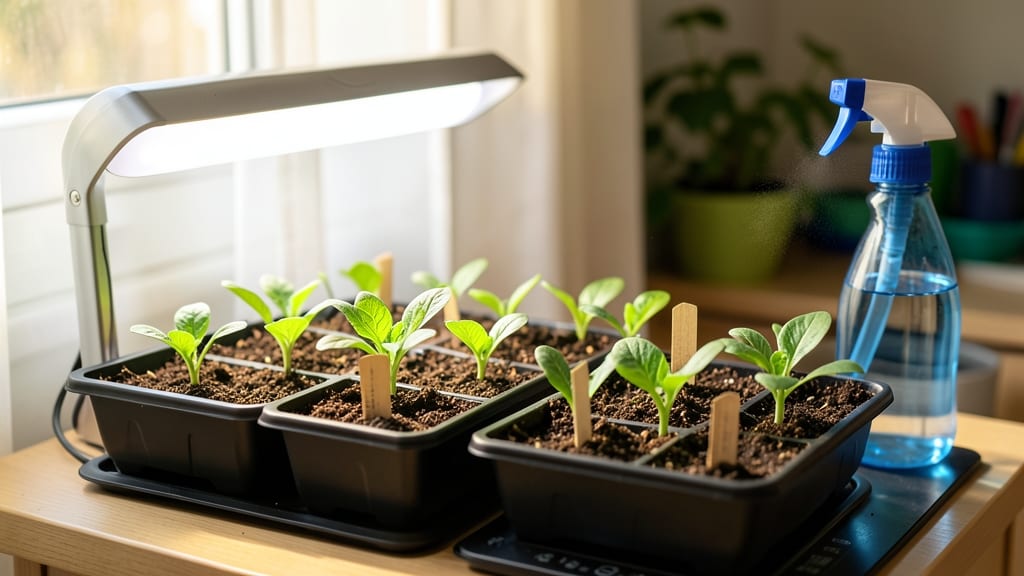
Starting cabbage indoors means head starts on harvests that beat the heat and outlast summer's pests. 🌱 I’ve grown cabbage from seed for years, and the key to success lies in timing, warmth, and patience—three things that turn a risky experiment into a reliable harvest.
The secret isn’t fancy equipment: just seed-starting trays, a warm spot, and a grow light. Most beginners overthink it, but cabbage seedlings thrive with simple care—consistent moisture, gentle warmth, and bright light.
My first batch struggled until I dialed in these basics, and now I get 12-15 heads per plant by fall. You’ll see those first true leaves in 7-10 days, and by the time you transplant, they’ll be stocky and ready for the garden.
The real magic happens when they survive transplant shock and keep growing through cool weather, giving you crisp, cold-hardy heads when store-bought options wilt. Perfect for gardeners who want to beat the heat or extend their season. Here’s how to get those seeds sprouting strong—no black thumb required.
📚 In This Guide
- What you need
- Instructions
- Tips and common mistakes
- Wrapping up and next steps
What you need
- ● Seeds: Choose cold-hardy cabbage varieties like Green Cow, Golden Acre, or Early Jersey Wakefield. Aim for 2–3 seeds per cell (you can thin later).
- ● Seed Starting Trays: Biodegradable peat pots (2–3 inches deep) or a seedling tray with 6–12 cells (1–2 inches deep).
- ● Seed Starting Mix: A sterile, well-draining mix (e.g., Black Gold Seedling Mix or FoxFarm Ocean Forest). Avoid garden soil—it’s too dense!
- ● Grow Lights or Sunny Window: Grow Lights: LED or fluorescent bulbs (12–16 hours/day) mounted 2–4 inches above seedlings.
- ● Sunny Window: A south-facing window with 6+ hours of direct light (supplement with a grow light if needed).
- ○ Heat Mat (Optional but Helpful): A seedling heat mat (set to 70–75°F) speeds germination.
- ● Spray Bottle: For gentle watering (avoid overhead streams to prevent disease).
- ● Fertilizer: A balanced, water-soluble fertilizer (e.g., 10-10-10) or fish emulsion (diluted to ½ strength).
- ● Humidity Dome or Plastic Wrap: Keeps moisture in until seeds sprout (remove after germination).
- ● Timing: Start seeds 6–8 weeks before your last frost date (cabbage loves cool weather!).
- ● Clean Workspace: Sanitize trays and tools with a 10% bleach solution to prevent mold.
- ● Temperature Control: Ideal germination temp: 70–80°F (use a heat mat if your home is cooler).
- ● Hardening-Off Plan: Prepare to acclimate seedlings to outdoor conditions 1–2 weeks before transplanting.
- ● pH Test Kit: Cabbage thrives in 6.0–7.0 pH soil—adjust mix if needed.
- ● Growth Regulator: Seaweed extract can boost resilience in seedlings.
- ● Label Maker: Mark trays with seed variety and date for easy tracking.
- ● Fan: A small clip-on fan strengthens seedlings by simulating wind.
Step-by-step instructions for starting cabbage indoors
Here’s how to get a head start on your cabbage—strong, healthy plants ready for transplanting before spring.
🌱 Step 1: Prepare Containers and Seed Starting Mix
Use biodegradable peat pots or small plastic cell trays for each of your 4 plants. Fill them with a sterile seed-starting mix—never garden soil, as it’s too dense and can harbor diseases. Moisten the mix until it’s damp like a wrung-out sponge, but not soggy. Press it down lightly so the surface is firm but not packed. This ensures roots can anchor properly without floating seeds.
I like to tap the containers gently on the table to settle the soil evenly. This prevents air pockets that could delay germination. If your mix is too dry after filling, add a few spritzes of water until it feels consistently moist throughout. The goal is to create a cozy, stable environment where seeds can sprout without drowning.
🌱 Step 2: Sow Seeds at the Right Depth and Spacing
Plant 1-2 seeds per pot at a depth of about ¼ inch. Cabbage seeds are tiny, so I use a toothpick to create a small hole and drop them in one at a time. Cover them lightly with a thin layer of mix—just enough to shield them from light but not bury them too deep. Over-burying makes seedlings struggle to reach the surface, delaying growth.
After sowing, mist the surface gently with a spray bottle until the soil looks evenly damp. Avoid using a watering can, as the force can dislodge seeds or bury them too deep. Label each pot with the date and variety—cabbage takes time to mature, and keeping track prevents mix-ups later. Place the trays in a warm spot, ideally 70-80°F, for optimal germination.
💧 Step 3: Provide Warmth and Moisture for Germination
Cover the trays with a clear plastic dome or plastic wrap to retain warmth and humidity. Cabbage seeds germinate best in 7-14 days when kept consistently moist and warm. A seedling heat mat set to 75°F speeds up the process, but even a sunny windowsill works if you’re patient. Check the soil daily—it should stay damp but not waterlogged.
Once 50% of seeds have sprouted, remove the dome immediately. Trapped moisture around new seedlings invites damping-off, a fungal disease that causes stems to collapse. Thin to the strongest seedling per pot if you sowed two, snipping the weaker one at the soil line with scissors. This prevents overcrowding and gives remaining plants room to grow.
☀️ Step 4: Move to Bright Light and Harden Off
The instant seedlings emerge, they need 12-14 hours of light daily. A south-facing window rarely provides enough intensity, so I use a grow light positioned 2-3 inches above the plants. Raise it as they grow to maintain that distance. Without sufficient light, seedlings stretch leggy and weak—you’ll see long, pale stems with leaves spaced far apart. Strong seedlings have short, sturdy stems and dark green leaves.
Two weeks before your last frost date, start hardening off the seedlings. Place them outside in a sheltered spot for 1-2 hours the first day, gradually increasing time over 10-14 days. This acclimates them to wind and sun, preventing transplant shock. By the time you’re ready to plant, your cabbage will be tough enough to handle outdoor conditions and thrive in cooler weather.
Tips & tricks for starting cabbage indoors
Here's what nobody tells you about growing sturdy cabbage starts that'll thrive in your garden.
Container Selection: While biodegradable peat pots are ideal, you can also use recycled plastic containers from salad greens or yogurt cups. Just make sure they have drainage holes—cabbage roots need air, and soggy soil leads to rot. I've had great success with 3-inch pots for those 4 plants, giving roots plenty of room to develop before transplanting.
Germination Environment: Those 7-14 days of germination can feel like forever, but consistency is key. Place a small thermometer near your seed trays to monitor the 70-80°F range. If your home runs cooler, a simple seedling heat mat (set to 75°F) makes all the difference—it's the secret to faster, more reliable sprouting. I keep mine plugged in under my kitchen counter until germination begins.
Lighting Strategy: The 12-14 hours of daily light requirement is non-negotiable for strong seedlings. If you don't have a grow light, rotate your trays every few hours to ensure even exposure. I notice seedlings growing toward the light source will lean dramatically—this is their way of telling you they need more consistent illumination. A simple LED grow light on a timer solves this instantly.
Harden Off Gradually: That 1-2 hour outdoor introduction might seem short, but trust me on this—rushing this step leads to transplant shock. Start with just morning sun when temperatures are mildest, then gradually add afternoon exposure. I've seen seedlings wilt dramatically after being moved too quickly, but those that harden off properly become tough, resilient plants ready for your garden.
Pro Tips for Starting Cabbage Indoors
- Here's what nobody tells you about growing sturdy cabbage starts that'll thrive in your garden.
- Container Selection: While biodegradable peat pots are ideal, you can also use recycled plastic containers from salad greens or yogurt cups.
- Germination Environment: Those 7-14 days of germination can feel like forever, but consistency is key.
Frequently asked questions
Got questions about starting cabbage indoors?
You’re not alone! Here are answers to the most common concerns—from timing to troubleshooting—to help you grow a thriving crop.
When is the best time to start cabbage indoors?
For most regions, start seeds 6–8 weeks before your last frost date. Cabbage thrives in cool weather, so aim for early spring (or late summer for fall harvests). Check your local frost dates—cabbage can tolerate light frosts but needs warmth to germinate.
How long does it take for cabbage seeds to germinate?
Cabbage seeds typically sprout in 7–14 days at 60–70°F (15–21°C). Keep soil consistently moist (not soggy) and place trays in a warm spot. Slow germination? Try a heat mat or cover with plastic wrap to retain humidity.
What if my cabbage seedlings look leggy or weak?
Leggy seedlings often mean too little light. Move them to a sunny windowsill or under grow lights (12–16 hours/day). Overcrowding or weak soil can also cause poor growth. Thin seedlings to 1–2 inches apart and fertilize lightly with diluted fish emulsion.
Can I start cabbage indoors without grow lights?
Yes! A south-facing window with 6+ hours of direct sunlight works, but seedlings may stretch toward light. Supplement with a reflective surface (like aluminum foil) or rotate trays daily. If growth stalls, invest in a basic LED grow light—it’s worth the boost!
Why are my cabbage leaves turning yellow?
Yellow leaves usually signal overwatering, nutrient deficiency, or transplant shock. Check soil moisture (let it dry slightly between waterings) and ensure pots have drainage holes. Yellow edges? Boost nitrogen with a balanced fertilizer. Wilted leaves? Adjust humidity or reduce water.
How do I harden off cabbage seedlings before transplanting?
Start 1–2 weeks before moving outdoors. Gradually expose seedlings to outdoor conditions: begin with 1–2 hours in shade, then increase time and sun exposure daily. Avoid windy days to prevent stress. Acclimated plants = stronger starts!
Wrapping up and next steps
Starting cabbage indoors is a rewarding way to ensure a healthy, early harvest—especially if you love cold-hardy greens! With the right setup, patience, and care, you’ll be well on your way to plump heads and robust plants ready for transplanting.
Whether you’re a first-time gardener or a seasoned pro, this method gives you a head start on the growing season. 🌱
Now that you’re armed with the know-how, grab those seeds and get planting! Next, check out our guide on transplanting seedlings outdoors or explore companion plants to maximize your cabbage’s success. Happy gardening!