
Container Gardens
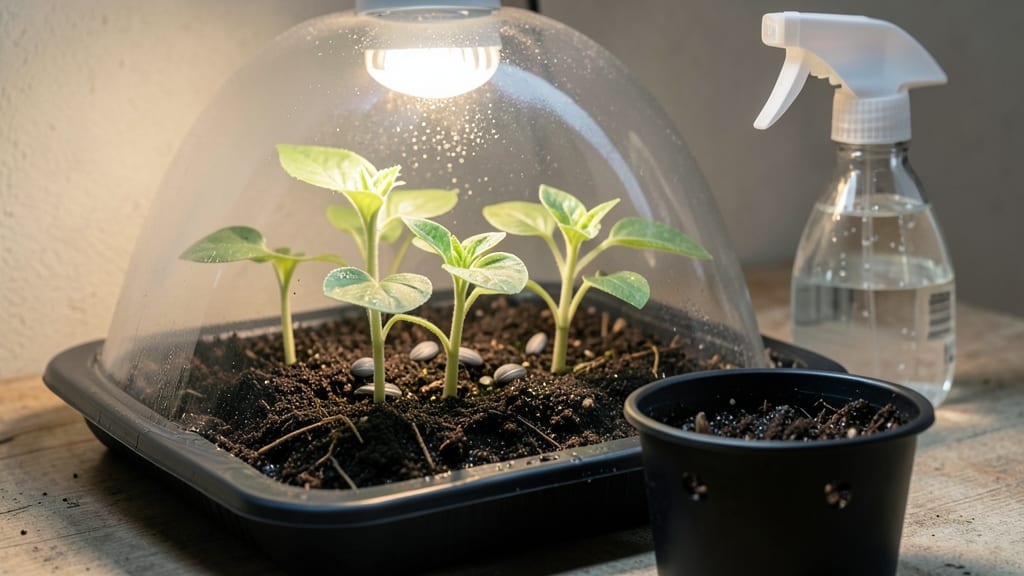
Planting sunflower seeds indoors lets you cheat the season and grow 10-foot giants by summer. 🌻 The key is mimicking their natural growing conditions—warm soil, bright light, and just enough moisture—without overcomplicating it.
My first batch last spring grew 3 feet indoors before transplanting, and they outpaced every store-bought seedling by weeks. You’ll need 3-inch-deep pots (or a single tray with drainage), lightweight potting mix, and a sunny windowsill or grow light.
Sunflowers hate soggy soil, so we’re talking 1 inch of water when the top feels dry—no guesswork. The biggest mistake? Letting them stretch toward weak light, which turns those sturdy stems into weak, floppy stalks.
By week 3, you’ll see bold green leaves and a thick stem—proof you’re doing it right. Transplant outdoors after the last frost, and those babies will shoot up 2 feet in a week if given space. No special soil or fertilizer needed; just patience and a little sunlight.
Works for any variety, from tiny ‘Teddy Bear’ to massive ‘Mammoth’. The secret? Start 6-8 weeks before your last frost date, and you’ll have sunflowers blooming when neighbors are still waiting for their seeds to sprout.
📚 In This Guide
- What you need
- Instructions
- Tips and common mistakes
- Wrapping up and next steps
What you need
- ● Sunflower seeds: 3–5 seeds (choose dwarf varieties like 'Teddy Bear' or 'Moulin Rouge' for indoor containers—they stay compact!)
- ● Container: 1–2 small pots (5–6 inches deep) or a seed-starting tray with drainage holes. Pro tip: 💡 Use biodegradable pots for easy transplanting later!
- ● High-quality potting mix: 1 bag (sterile, well-draining mix—avoid garden soil!)
- ● Grow lights or sunny windowsill: A full-spectrum LED grow light (12–16 hours/day) or a south-facing window (6+ hours of sunlight).
- ● Spray bottle: For gentle watering (avoid over-saturating seeds!).
- ○ Plastic wrap or humidity dome: Optional but helpful for retaining moisture while seeds germinate.
- ● Plant labels: To track varieties and planting dates.
- ● Fertilizer: A balanced, water-soluble fertilizer (diluted to half-strength) for faster growth.
- ● Heating mat: Speeds up germination in cooler homes (70–75°F ideal).
- ● Support stake or cage: Tiny sunflowers may need light staking as they grow.
Step-by-step instructions for planting sunflower seeds indoors
Here's how to grow sunflowers indoors—strong, healthy starts that'll reach for the sky.
🌱 Step 1: Prepare Containers and Soil for Germination
Use 4-inch deep pots with drainage holes—sunflower roots need room to stretch downward. I fill each with a mix of 50% potting soil and 50% perlite to prevent compaction. Press the soil down lightly with your fingers until it's firm but not packed—this gives the emerging roots a solid foundation to push against.
Moisten the soil until it feels like a damp sponge, not dripping. Too much water now will suffocate the seeds once they sprout. Place the pots in a warm spot, ideally between 70-75°F, since sunflowers germinate fastest in consistent warmth. I like to set them on top of my refrigerator where it stays steady.
🌱 Step 2: Plant Seeds at the Right Depth and Spacing
Drop 2-3 seeds per pot about 1 inch deep—this is crucial because sunflower seeds need darkness to germinate. Planting too shallow risks drying them out, while too deep slows sprouting. I use my finger to make a small hole, place the seeds inside, then cover with soil.
Gently water the pots until the soil surface looks dark and moist, not shiny. Avoid soaking the soil—sunflowers hate soggy conditions. Place the pots under a grow light or in a spot with bright, indirect light. You'll see the first sprouts in 7-10 days, but don't be surprised if it takes up to 14 days in cooler conditions.
☀️ Step 3: Provide Light and Airflow for Strong Seedlings
Once the first true leaves appear (not the initial seed leaves), move the seedlings to a south-facing window or under a full-spectrum LED grow light for 12-14 hours daily. Sunflowers grow fast, and without enough light, they'll stretch tall and weak—a condition called "legginess." You'll know they're getting the right light when the stems stay sturdy and the leaves are a vibrant green.
Thin to the strongest seedling per pot when they're about 2 inches tall. Snip the weaker ones at the soil line with clean scissors—this prevents competition for nutrients. Keep the soil lightly moist, watering only when the top ½ inch feels dry. Overwatering now can cause damping-off, a fungal disease that kills seedlings overnight.
🪴 Step 4: Fertilize and Prepare for Transplanting Outdoors
When the seedlings reach 6-8 inches tall and have 4-5 true leaves, it's time to fertilize. Mix a ½ teaspoon of 10-10-10 fertilizer into the top inch of soil per pot. This gives them a nutrient boost before their final move. Water lightly after fertilizing to help the nutrients soak in evenly.
Start hardening off the seedlings 1 week before your last frost date by placing them outside in a sheltered spot for 1-2 hours daily, gradually increasing their time outdoors. Watch for wilting—if it happens, bring them back inside and extend the hardening-off period by a few days. Once they tolerate full sun without wilting, they're ready to transplant into the garden or larger containers.
Tips & tricks for planting sunflower seeds indoors
These simple strategies will help you nurture sunflowers that reach their full potential, even when starting indoors.
Soil Mix Matters: The 50% potting soil and 50% perlite blend isn't just arbitrary—it creates the perfect balance of moisture retention and aeration that sunflower roots crave. If you're short on perlite, coarse sand works in a pinch, but avoid fine sand which can compact too easily. Press the soil firmly after planting to eliminate air pockets that could stunt root growth. This step in Step 1 is where you set the foundation for strong stems later.
Germination Temperature Tip: While 70-75°F is ideal, don't stress if your home runs cooler. Sunflower seeds can germinate as low as 50°F, though it may take 2-3 extra days. For faster results, place pots on a seedling heat mat set to 75°F—this cuts germination time by nearly half. The key is consistency; temperature fluctuations can cause uneven sprouting.
Lighting Strategy: That 12-14 hour daily light requirement is non-negotiable for preventing leggy seedlings. If using a grow light, position it just 2-3 inches above the seedlings and adjust as they grow—too far away means weak stems, too close causes scorching. Rotate pots daily for even growth, especially if using a single light source. Watch for stems that stretch toward the light source; this is your first sign of insufficient light.
Thinning Made Easy: When thinning to the strongest seedling at 2 inches tall (Step 3), use clean scissors to snip at soil level rather than pulling. This prevents disturbing the roots of your chosen seedling. I've found that seedlings with the darkest green leaves and most robust stems are the best candidates to keep. The discarded seedlings can be composted or planted separately if you have extra pots.
Pro Tips for Planting Sunflower Seeds Indoors
- These simple strategies will help you nurture sunflowers that reach their full potential, even when starting indoors.
- Soil Mix Matters: The 50% potting soil and 50% perlite blend isn't just arbitrary—it creates the perfect balance of m...
- Germination Temperature Tip: While 70-75°F is ideal, don't stress if your home runs cooler. Sunflower seeds can germi...
Frequently asked questions
Got questions about growing sunflowers indoors? You’re not alone! Here are some of the most common concerns—and their solutions—to help you get started with confidence.
How deep should I plant sunflower seeds indoors?
Plant sunflower seeds about 1 inch deep in well-draining soil. Press them gently into the soil, then lightly cover with a thin layer of potting mix. Avoid burying them too deep, as they need light to germinate. Aim for a depth equal to 2-3 times the seed’s width for best results.
How long does it take for sunflower seeds to sprout indoors?
Sunflower seeds typically sprout within 7–14 days indoors, depending on warmth and moisture. Keep the soil consistently moist (not soggy) and maintain temperatures between 70–75°F (21–24°C). If you don’t see sprouts after 2 weeks, gently check for seeds—sometimes they’re just shy!
Do sunflowers need sunlight indoors? What’s the best light source?
Yes! Sunflowers are light-hungry and need 6–8 hours of bright light daily. Use a grow light (LED or fluorescent) if natural light is limited. Place seedlings within 6 inches of the light source and adjust as they grow. South-facing windows work best, but supplement with artificial light if needed.
Can I grow sunflowers indoors without a greenhouse?
You don’t need a greenhouse—just a sunny spot, containers, and patience. Use 5–7 gallon pots for dwarf varieties (like ‘Teddy Bear’) or larger containers for tall types. Place them near a sunny window or under grow lights. Just ensure proper spacing (12–24 inches apart) to prevent overcrowding.
Why aren’t my sunflower seedlings growing tall or straight?
Sunflowers may lean or grow slowly due to lack of light, overcrowding, or weak stems. Fix it by:
- Moving them closer to a bright light source.
- Thinning seedlings to 1 per pot (keep the healthiest one).
- Using a small stake or trellis early on for support.
- Ensuring they get fertilizer (balanced 10-10-10) every 2–3 weeks.
Wrapping up and next steps
Planting sunflower seeds indoors is a rewarding way to kickstart your gardening season—no matter your space or experience level! 🌱 With the right containers, light, and care, you’ll soon be watching those cheerful blooms reach for the sky.
Whether you’re growing them for beauty, snacks, or both, your early efforts will pay off in vibrant, towering stems.
Ready to take the next step? Once your seedlings sprout and grow strong, transplant them outdoors after the last frost for a stunning summer display. Happy growing—your sunflowers are waiting for you! 🌻