
Container Gardens
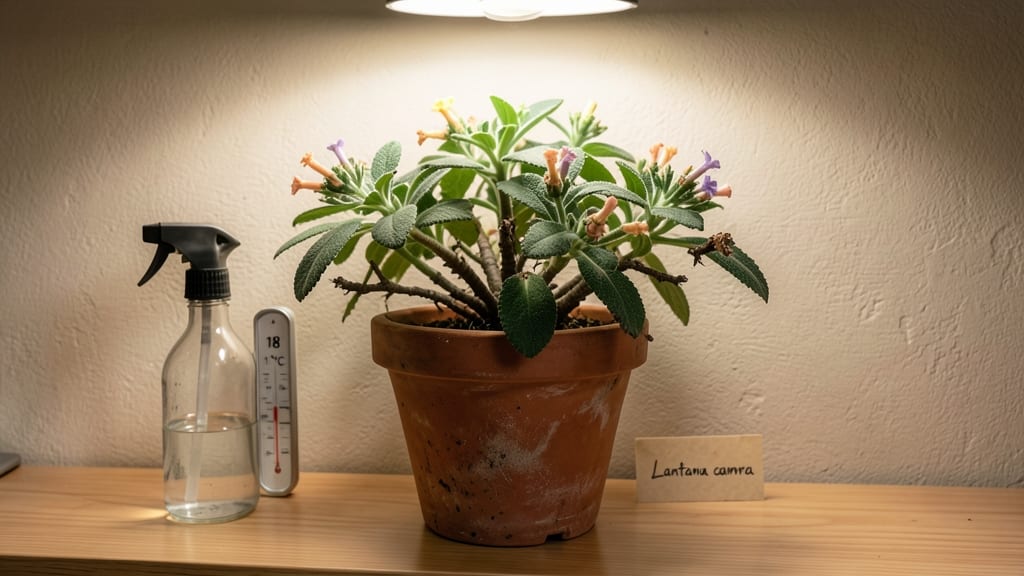
Overwintering lantana indoors keeps those sunburst blooms glowing when outdoor gardens sleep. 🌿 I’ve saved my lantana through three winters now—no sad, bare stems or lost plants—and here’s exactly how I do it without fancy equipment or guesswork.
The key is timing: bring plants in before the first frost, when nighttime temps dip below 50°F. Prune back by a third to reduce stress, then repot into a slightly larger container with fresh, well-draining soil. Lantana hates soggy roots, so pots with drainage holes are non-negotiable.
Place them near a south-facing window where they’ll get at least 6 hours of light daily. If leaves start stretching toward the light, supplement with a basic grow bulb—your plants will thank you with compact growth and fresh foliage by spring.
Watch for spider mites (tiny red pests) and treat early with neem oil if you spot webbing. Humidity drops indoors, so mist occasionally or set pots on a tray of pebbles with water. When temps rise above 55°F at night, it’s time to reintroduce them outdoors—gradually, to avoid shock.
📚 In This Guide
- What you need
- Instructions
- Tips and common mistakes
- Wrapping up and next steps
What you need
- ● Lantana plant: 1 healthy, well-established plant (pruned back to ~6–12 inches tall for easier care).
- ● Container: A well-draining pot (10–12 inches in diameter) with drainage holes. Terracotta or ceramic works best.
- ● Potting mix: 1 bag (5–10 quarts) of cactus/succulent mix or a lightweight, fast-draining blend (amend with perlite/pumice if needed).
- ● Pruning shears: Sharp, clean shears (sterilize with rubbing alcohol).
- ● Grow lights: 1–2 full-spectrum LED grow lights (12–15 watts per plant) or a south-facing window (if natural light is abundant).
- ○ Humidity tray: 1 shallow tray + pebbles (optional but helpful for dry-air environments).
- ● Fertilizer: 1 bottle of balanced liquid fertilizer (5-10-5 or 10-10-10, diluted to half-strength).
- ● Insecticidal soap or neem oil (for pest prevention).
- ● Plant mister (to boost humidity around foliage).
- ● Thermometer/hygrometer (to monitor temps/humidity, ideal range: 55–75°F).
- ● Rooting hormone (if propagating cuttings from pruned stems).
- ● Decorative pots or saucers (for a polished look!).
Step-by-Step instructions for overwintering lantana indoors
Here’s how to keep your lantana thriving inside—no dead branches or sad stems in sight.
🪴 Step 1: Prune and Select Healthy Stems
Start by trimming your lantana back by one-third to remove leggy or damaged growth. Focus on keeping 4-6 strong stems per plant—this encourages bushier regrowth indoors. Use clean, sharp pruners to make cuts just above a leaf node, where new growth will sprout.
Look for stems with fresh green leaves and no brown spots—these are your best candidates for overwintering. If a stem feels mushy or smells off, snip it off entirely. Healthy stems are your ticket to a vibrant spring comeback.
🌿 Step 2: Repot in Fresh, Well-Draining Soil
Choose a pot 1-2 inches larger than the current one to give roots room to adjust without overwhelming the plant. Fill the bottom with a layer of gravel or perlite to improve drainage—lantana hates soggy roots. Add 2-3 inches of fresh potting mix (light and airy) over the drainage layer.
Gently remove the plant from its old pot, shaking off excess soil to check for root rot. If roots look dark or mushy, trim them back before replanting. Place the lantana in the new pot, filling gaps with more potting mix until the base is secure. Water lightly to settle the soil.
☀️ Step 3: Position for Bright, Indirect Light
Lantana needs 6-8 hours of bright, indirect light daily to survive winter. A south- or west-facing window is ideal, but avoid harsh afternoon sun, which can scorch leaves. If natural light is weak, supplement with a grow light kept 6-12 inches away for 12-14 hours a day.
Watch for signs of light stress: leggy stems or pale leaves mean it’s not getting enough light, while yellowing leaves signal too much direct sun. Rotate the pot quarter-turn weekly so growth stays even and balanced.
💧 Step 4: Adjust Watering for Indoor Conditions
Water only when the top 1-2 inches of soil feel dry—lantana is drought-tolerant but not waterlogged. Stick your finger in the soil; if it’s damp past your first knuckle, wait another day. Overwatering is the #1 killer of overwintered lantana, so err on the side of dryness.
Reduce humidity around the plant by placing it away from bathrooms or kitchens, where moisture lingers. If leaves start curling or dropping, it’s a sign of too much water. Mist occasionally in dry climates, but avoid soggy soil at all costs.
⏰ Step 5: Monitor and Prepare for Spring
Check for pests like spider mites or aphids weekly—indoor conditions can attract them. Wipe leaves with a damp cloth if dusty, and treat infestations immediately with neem oil or insecticidal soap. Healthy leaves mean a stronger plant ready for spring.
In late winter (around February), start fertilizing lightly with a balanced 10-10-10 fertilizer every 4-6 weeks to wake up growth. By the time outdoor temps hit 50°F at night, your lantana will be ready to transition back outside—just harden it off gradually to avoid shock.
Tips & tricks for overwintering lantana indoors
These little details make all the difference between a lantana that survives winter and one that thrives.
Pruning Precision: When you trim back by one-third in Step 1, aim for clean cuts just above leaf nodes—this is where new growth emerges. I always use sterilized pruners to prevent disease, and I avoid cutting into woody stems since they won't regrow. The key is to leave behind stems that are firm and vibrant green, not yellow or spotted. This selective pruning encourages bushier growth while maintaining the plant's energy reserves for spring.
Soil Science: The drainage layer in Step 2 is non-negotiable—lantana roots rot faster than they can say "winter." I like to use a mix of gravel and perlite for that bottom layer, and I never skip checking for root rot when repotting. If you find mushy roots, trim them aggressively with clean scissors and dust the cuts with cinnamon powder (a natural antifungal). The 2-3 inches of fresh potting mix should be light and airy—think of it as giving your lantana's roots a breath of fresh air.
Light Strategy: Those 6-8 hours of bright, indirect light in Step 3 are your plant's lifeline. I've seen lantana stretch toward weak light like a teenager reaching for the cookie jar—those leggy stems are a cry for help. If your window light is dim, supplement with a grow light positioned 6-12 inches away for 12-14 hours daily. The secret is to rotate the pot quarter-turn weekly so all sides get equal light exposure. This prevents that lopsided growth that makes plants look like they're doing the hokey-pokey.
Watering Wisdom: The finger-in-the-soil test in Step 4 is your best friend. I learned this the hard way after losing two overwintered lantanas to overwatering—don't make my mistake! Wait until that top 1-2 inches feel dry before watering, and always use room-temperature water. In dry climates, I place the pot on a tray of pebbles with water (not touching the pot) to increase humidity slightly without soggy soil. The goal is to mimic the lantana's natural drought tolerance while keeping it comfortable indoors.
Pro Tips for Overwintering Lantana Indoors
- These little details make all the difference between a lantana that survives winter and one that thrives.
- Pruning Precision: When you trim back by one-third in Step 1, aim for clean cuts just above leaf nodes—this is where ...
- Soil Science: The drainage layer in Step 2 is non-negotiable—lantana roots rot faster than they can say "winter." I l...
Frequently asked questions
When should I bring my lantana inside for winter?
Move lantana indoors before temperatures drop below 50°F (10°C). In most regions, this means late September to early November. Watch for nighttime temps or the first frost—lantana is sensitive to cold! Prune back leggy stems by ⅓ before bringing it inside to encourage bushier growth.
What’s the best spot for lantana indoors?
Place your lantana in a sun-drenched window (south- or west-facing is ideal) for at least 6–8 hours of light daily. If natural light is lacking, supplement with a grow light 12–14 inches away. Avoid drafty areas like near doors or vents—lantana hates temperature swings!
How often should I water lantana indoors?
Water when the top inch of soil feels dry, typically every 7–10 days (less in cooler months). Overwatering is the #1 killer—lantana rots easily in soggy soil. Use a pot with drainage holes and a cache pot underneath to catch excess water. Pro tip: Mist leaves occasionally if humidity drops below 40%!
Why isn’t my lantana blooming indoors?
Lantana needs bright light + cool nights to trigger blooms. If flowers fade, check these fixes:
- Light: Move closer to a window or add grow lights.
- Pruning: Trim back overgrown stems to encourage new growth.
- Fertilizer: Use a balanced 10-10-10 fertilizer every 4–6 weeks in spring/summer.
- Temperature: Keep nights slightly cooler (60–65°F) than days.
Can I overwinter lantana in a greenhouse instead?
A greenhouse is a great alternative if you have one, as it mimics outdoor conditions better than a home. Just ensure:
- Temperatures stay above 40°F (4°C).
- Ventilation prevents humidity buildup (which causes fungal issues).
- It gets full sun exposure (greenhouses can still be dim!).
If space is tight, a large, well-ventilated sunroom works too!
What should I do if my lantana gets pests indoors?
Indoor lantana may attract spider mites, aphids, or whiteflies. Act fast with these steps:
- Isolate the plant to prevent spreading.
- Wipe leaves with a neem oil solution (1 tsp neem oil + 1 quart water + drop of dish soap).
- Blast pests off with a strong water spray.
- Quarantine for 2 weeks before reintroducing to other plants.
Prevention tip: Inspect new plants before bringing them inside!
Wrapping up and next steps
Overwintering your lantana indoors is totally doable with the right prep—and what a reward it’ll be to greet those vibrant blooms come spring! 🌸 By following these steps, you’re not just saving your plant; you’re extending its life and ensuring a burst of color when warmer days return.
Ready to take the next step? Now’s the time to pick your lantana, gather supplies, and get pruning! Your future garden will thank you.