
Planting
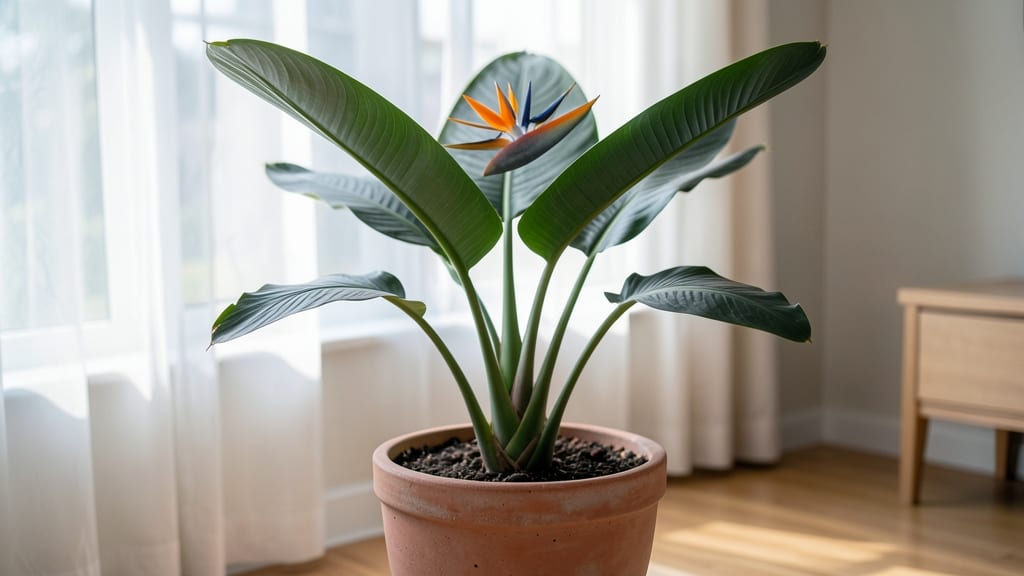
Growing a large indoor bird of paradise plant (Strelitzia nicolai) feels like bringing a piece of a rainforest into your home—minus the humidity headaches. 🌿 I’ve kept mine thriving for years by mastering just three key things: light, water, and a little patience.
The dramatic, banana-shaped leaves and occasional exotic blooms make it worth every effort, even if you’re not a plant whisperer. This plant isn’t fussy, but it does demand bright, indirect light—think east or south-facing windows.
Mine sits near a sheer curtain, where it gets morning sun and soft afternoon light. Overwatering is the real villain here; let the top 2-3 inches of soil dry out between waterings, and you’ll avoid the yellow leaves that scream "too much love."
By winter, you’ll notice new growth pushing through, and those signature arching leaves will reach toward the light like sun-worshippers. The blooms—when they arrive—are a showstopper, but don’t stress if yours skips that part. Even without flowers, the foliage alone turns heads.
For apartment dwellers or small spaces, this plant scales beautifully. Just avoid drafts, and you’ll have a low-maintenance tropical statement piece that outlasts most houseplants. Here’s how to keep it happy year-round.
📚 In This Guide
- What you need
- Instructions
- Tips and common mistakes
- Wrapping up and next steps
What you need
- ● Bird of Paradise Plant: A healthy 3–5 ft tall nursery-grown plant (ensure it’s potted in well-draining soil).
- ● Large Pot: A container at least 12–18 inches wide and deep with drainage holes (terracotta or ceramic preferred).
- ● Well-Draining Potting Mix: 50% peat-free potting soil (or coconut coir for sustainability).
- ● 30% orchid bark or perlite (for aeration).
- ● 20% sand or pumice (to prevent root rot).
- ● Drainage Layer: 1–2 inches of gravel, perlite, or broken pottery at the pot’s base.
- ● Gloves (to protect hands from soil and thorns).
- ● Trowel or shovel (for repotting).
- ● Watering can with a narrow spout (to avoid overwatering).
- ○ Humidity tray or pebble tray (optional but helpful for tropical climates).
- ● Fertilizer: A balanced liquid fertilizer (10-10-10) or slow-release granules (apply every 2–3 months).
- ● Bright, indirect light source: A south- or east-facing window or a grow light (12–14 hours/day if indoors).
- ● Misting bottle (for occasional leaf cleaning or humidity boosts).
- ● ✨ Check soil moisture: Stick your finger 2 inches into the soil—water only when it’s dry to the touch.
- ● 🌡️ Ideal temperature: Keep your plant in 65–80°F (avoid drafts or cold windows).
- ● 🎯 Prune wisely: Trim yellow leaves or leggy stems to encourage bushier growth.
Step-by-step guide to growing a thriving indoor bird of paradise
Here's how to cultivate this bold tropical stunner indoors—no greenhouse required.
🪴 Step 1: Choose the Right Container and Soil Mix
Select a 12-18 inch diameter pot with drainage holes—bird of paradise plants despise soggy roots. I prefer terra cotta because it wicks away excess moisture, but any well-draining ceramic or plastic container works. The plant's fibrous roots need room to spread, so avoid small pots that restrict growth.
Use a light, airy potting mix formulated for tropical plants or create your own blend: 60% peat moss or coconut coir, 20% perlite, and 20% orchid bark. This mix mimics the plant's natural habitat while preventing compaction. Avoid garden soil—it's too dense and will suffocate roots.
☀️ Step 2: Position for Maximum Light Exposure
Bird of paradise thrives in bright, indirect light—think east or west-facing windows where it gets morning sun or filtered afternoon light. A south-facing window works only if the plant sits 6-10 feet back to avoid harsh midday rays. You'll see the plant's signature leathery, banana-shaped leaves develop best in these conditions.
If your space lacks natural light, supplement with a 14-hour daily photoperiod using a grow light positioned 18-24 inches above the plant. The leaves will tell you if it's happy: deep green and upright means perfect light; yellowing or drooping means it's getting too much direct sun or not enough light.
💧 Step 3: Master the Watering Routine
Water thoroughly only when the top 3-4 inches of soil feel completely dry—stick your finger in to check. This plant hates moisture stress but also rejects soggy conditions. I water mine once every 7-10 days in winter and every 5-7 days in summer, adjusting for humidity levels. Always water at the base, avoiding the leaves to prevent fungal issues.
Empty the saucer 30 minutes after watering—standing water in the tray is a fast track to root rot. Overwatering is the #1 killer of indoor bird of paradise, so when in doubt, wait another day. The plant's thick roots store moisture well, so it's better to underwater slightly than drown it.
✂️ Step 4: Fertilize and Encourage New Growth
Feed your plant monthly during spring and summer with a balanced liquid fertilizer (10-10-10 or 20-20-20) diluted to half-strength. In fall and winter, cut back to every 6-8 weeks. The goal is to mimic the plant's natural growing cycle—it needs nutrient boosts when actively growing but rests during cooler months.
Look for new growth at the base as a sign your fertilization is working. If the leaves develop yellow tips, it's often a sign of over-fertilizing or fluoride buildup from tap water. Switch to rainwater or distilled water if you notice this, and flush the soil 3 times with plain water to cleanse the roots.
🌿 Step 5: Prune and Maintain for Long-Term Health
Remove yellow or brown leaves at the base with sterilized pruners, cutting ½ inch above the soil line. This keeps the plant looking tidy and prevents energy drain. If a leaf becomes completely brown and crispy, it's safe to remove—this is normal as the plant matures.
Every 2-3 years, repot your bird of paradise into a container 2-3 inches larger to accommodate its spreading roots. Spring is the best time to do this, as the plant enters its active growth phase. Gently loosen the root ball before transferring to fresh soil—this encourages new root development and prevents transplant shock.
Tips & tricks for thriving indoor bird of paradise care
Between us, these are the game-changers that'll keep your tropical stunner looking lush and vibrant for years. I've learned them the hard way—after watching three plants suffer from common mistakes.
Lighting Insight: The 14-hour daily photoperiod with grow lights isn't just about hours—it's about consistency. Place your grow light on a timer to maintain this exact schedule, even when you forget. I use a simple outlet timer for $10 that runs my LED grow light automatically. The plant's leaves will tell you if it's working: vibrant green means perfect light, while yellowing edges signal either too much direct sun or insufficient light exposure.
Soil Science: That 60-20-20 soil mix ratio (60% peat moss/coco coir, 20% perlite, 20% orchid bark) isn't arbitrary—it's about aeration and drainage. If you notice water pooling on top after watering, your mix might be too dense. Add an extra 10% perlite to improve airflow. For established plants, you can even create "air pockets" by gently pressing a chopstick into the soil after repotting to prevent compaction.
Watering Wisdom: The 30-minute saucer drainage rule is non-negotiable, but here's what nobody tells you: your bird of paradise's roots can handle brief dry spells better than soggy conditions. In winter, I often let the top 5 inches dry out completely before watering—this mimics its natural drought tolerance. The key is checking with your finger: if the soil feels like a wrung-out sponge at 3-4 inches down, it's time to water.
Fertilizer Finesse: That monthly spring/summer feeding schedule works perfectly, but timing matters just as much as frequency. Always fertilize after watering to prevent root burn. I mix my diluted fertilizer with water in a spray bottle and apply it to the soil surface before watering thoroughly—this ensures even distribution without overloading the roots. In fall and winter, I switch to a weaker solution (quarter-strength) every 8 weeks to avoid shocking the plant during its dormancy.
Pro Tips for Large Indoor Bird Of Paradise Plant
- Between us, these are the game-changers that'll keep your tropical stunner looking lush and vibrant for years.
- Lighting Insight: The 14-hour daily photoperiod with grow lights isn't just about hours—it's about consistency.
- Soil Science: That 60-20-20 soil mix ratio (60% peat moss/coco coir, 20% perlite, 20% orchid bark) isn't arbitrary—it's about aeration and drainage.
Frequently asked questions
How much light does a large indoor bird of paradise plant need?
These tropical beauties crave bright, indirect light—think near an east- or south-facing window. Too little light? Expect slower growth and fewer blooms. Pro tip: Rotate the pot occasionally for even exposure.
How often should I water my bird of paradise plant?
Water when the top 2–3 inches of soil feel dry (about every 1–2 weeks, depending on humidity). Overwatering is a common killer—ensure pots have drainage holes to prevent root rot. Note: Reduce watering in winter when growth slows.
What’s the ideal temperature for indoor bird of paradise plants?
Keep temps between 60–80°F (15–27°C). They’re sensitive to cold drafts (below 50°F/10°C) and sudden temperature swings. Avoid placing near AC vents or heaters. Bonus: Humidity above 40% mimics their tropical habitat!
Why isn’t my bird of paradise blooming?
Blooms need maturity (3+ years), bright light, and patience—they’re not fast growers! Ensure it’s not pot-bound (repot every 2–3 years) and fertilize lightly in spring/summer. Fun fact: Flowers can last weeks once they appear!
What do brown tips on leaves mean?
Brown tips usually signal low humidity or fluoride buildup from tap water. Try misting leaves, using a pebble tray, or switching to distilled/rainwater. Quick fix: Trim affected tips with clean scissors to encourage new growth.
Can I grow a bird of paradise from a cutting?
Yes! Propagate from healthy stem cuttings (6+ inches) in water or moist soil. Root in warm, humid conditions (like a greenhouse or sealed plastic bag). Warning: Success rates vary—be patient!
Wrapping up and next steps
Bringing a large indoor Bird of Paradise plant into your home isn’t just about adding a splash of tropical drama—it’s about embracing a low-maintenance, high-reward green companion.
With the right light, soil, and a little patience, this stunning plant thrives while purifying your air and boosting your space with vibrant energy. 🌿✨
Ready to elevate your indoor jungle? Start by choosing your spot—whether it’s basking near a sunny window or thriving under grow lights—and watch your Bird of Paradise flourish with minimal fuss. Your next step? Pick up that pot and let the adventure begin!