
Succulent
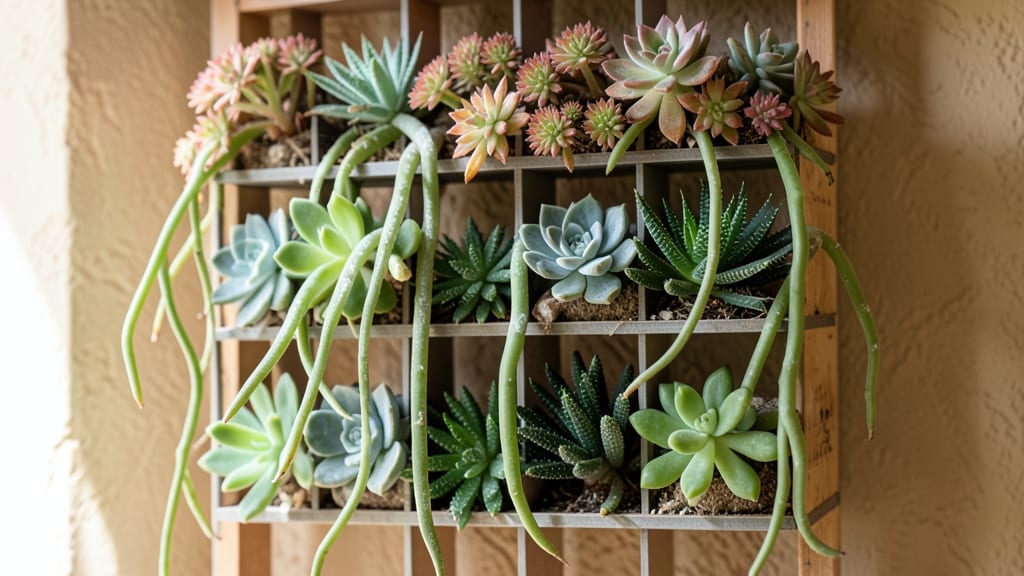
Creating an indoor succulent wall transforms blank walls into a thriving vertical green oasis that thrives even without direct sunlight. 🌱 I've designed several of these over the years, and the key is choosing the right succulents, materials, and layout to ensure they stay happy indoors.
The best part? No more struggling with leggy, stretched-out plants—this setup keeps them compact and colorful year-round.
The secret lies in selecting sun-loving succulents that tolerate lower light, like echeverias, haworthias, or sedums, and pairing them with a well-draining system. You'll need a lightweight frame, a waterproof backing, and a mix of potting soil and perlite to prevent rot.
Start small with a 2-foot section if you're new—it's easier to troubleshoot and adjust as you go.
By the time you're done, you'll have a low-maintenance living art piece that purifies the air and adds life to any room. The right layout—mixing textures and colors—makes it feel like a mini desert landscape.
Plus, you'll avoid the common pitfalls of overwatering or mold by using the right materials and spacing.
Whether you mount it on a wall, hang it as a freestanding piece, or even create a tiered display, this project adapts to any space. The best part? Once set up, your succulent wall will reward you with zero sunlight struggles and endless visual appeal. Let’s get started!
📚 In This Guide
- What you need
- Instructions
- Tips and common mistakes
- Wrapping up and next steps
What you need
- ● Succulents: 12–20 small to medium-sized succulents (e.g., Echeveria, Haworthia, or Sedum). Choose slow-growing varieties for easier maintenance.
- ● Geotextile fabric: 1 roll (3–4 ft wide, 10–15 ft long) for drainage and root support.
- ● Wire or floral foam: 1–2 rolls of coir wire or floral foam (for securing plants).
- ● Plastic or metal grid panel: 1–2 panels (12"–24" deep, customizable width) to hold the structure.
- ● Potting mix: 5–10 lbs of cactus/succulent mix (add perlite or pumice for extra drainage).
- ● Spray bottle: 1 (for gentle watering).
- ● Scissors or wire cutters: 1 pair (for trimming fabric/wire).
- ● Hanging hooks or brackets: 2–4 (to mount the wall securely).
- ● LED grow lights (1–2) for low-light areas.
- ● Decorative moss or pebbles (for a natural look).
- ● Mini terracotta pots (if freestanding succulents are preferred).
- ● Watering timer (for automated care).
- ● Paint or stain (to customize the grid panel).
How to build a thriving indoor succulent wall
Here's the simple, sun-free system I swear by for lush vertical gardens—no green thumb required.
🪴 Step 1: Choose and Prep Your Wall Structure
Start with a 4-foot tall, 2-foot wide wooden frame (or repurpose a deep shelf) and line the back with landscape fabric. This keeps roots contained while allowing drainage—succulents hate soggy feet. Cut the fabric to fit snugly, leaving a 2-inch overhang at the bottom to catch any runoff.
I like to add a 1-inch foam board behind the fabric for extra insulation if my wall sits against a cold exterior wall. This prevents temperature swings that stress succulents. Secure everything with staple gun and zip ties—no wobbly frames here.
🌱 Step 2: Layer Soil and Plant Strategically
Fill the frame halfway with cactus/succulent mix (never regular potting soil—it stays too wet). Press it down firmly but don't pack it like dirt. You want it fluffy enough for roots to spread but stable enough to hold plants upright. Add a 1-inch layer of small pebbles over the soil—this creates airflow at the base and prevents rot.
Plant small succulents (2-3 inches tall) in a staggered pattern, spacing them 4-6 inches apart. I start with the largest plants at the bottom and work upward, letting each plant slightly overlap the one above. This creates natural cascading and hides the gaps between plants as they grow.
☀️ Step 3: Install Grow Lights for Zero Sunlight Struggles
Hang a full-spectrum LED grow light about 12 inches above the top of your wall. Succulents need 12-14 hours of light daily, but LEDs won't overheat like sunlight. Set a timer for 10 hours on, 14 hours off—this mimics natural cycles and prevents leggy growth.
Watch for pale or stretched stems after a week. If you see this, your light is too far away—move it 4-6 inches closer. The goal is bright, even light across the entire wall. I rotate my wall a quarter turn weekly so all plants get equal exposure.
💧 Step 4: Water Like a Pro (Spoiler: It's Less Than You Think)
Wait 7-10 days before watering—this lets roots establish without rotting. When you do water, use the bottom-watering method: Place the entire wall in a tray of 1 inch of water for 10-15 minutes. Succulents drink through their roots, not their leaves, so this prevents fungal issues.
After watering, let the wall drain completely before returning it to its spot. I check moisture by lifting the wall—if it feels heavy, wait another day. If it feels light, water again. Overwatering is the #1 killer of indoor succulent walls, so I'd rather see wrinkled leaves than mushy stems.
✂️ Step 5: Maintain and Expand Your Green Oasis
Every 2-3 months, trim any leggy stems back to the base. This encourages bushier growth and prevents your wall from looking top-heavy. I also remove any dead leaves with sterilized scissors—this keeps the wall looking fresh and prevents mold.
To expand, simply add new succulents to empty spots. I like to mix textures—round echeverias at the bottom, trailing sedums in the middle, and spiky haworthias at the top. The key is variety without overcrowding. Rotate your wall occasionally to ensure even light exposure across all plants.
Tips & tricks for perfect indoor succulent walls
Your vertical garden deserves a fighting chance—here's how to turn good intentions into thriving greenery.
The Lighting Secret: That 10-hour grow light schedule is non-negotiable for succulents, but here's the thing: your LED should be just 8-10 inches from the top of your wall for even coverage. I test placement by holding a piece of paper at the bottom—if you can't read it easily, you're too far. The 12-14 hour light requirement is about total exposure, not continuous burning. Think of it like daylight savings: 10 hours on, 14 off mimics natural cycles perfectly.
Plant Selection Strategy: For your 4x2-foot wall, stick to 2-3 inch plants at planting—smaller varieties like sedum or haworthia will fill gaps faster than larger ones. The staggered spacing (4-6 inches) gives roots room to breathe, but don't be afraid to tuck in a few extra plants in the first year. Just monitor closely—they'll compete for moisture. I always plant the largest at the bottom to anchor the wall visually.
Watering Wisdom: That 7-10 day wait before first watering is crucial, but here's what nobody tells you: bottom-watering works best when you use room-temperature water. Cold water shocks the roots, while warm water can encourage rot. After your 10-15 minute soak, tip the wall gently to let excess drain completely—any standing water means disaster. I keep a small tray underneath to catch any drips, then wipe it dry after 10 minutes to prevent mold buildup.
Troubleshooting Tip: If you notice pale or stretched stems after your first week (a sign of light deprivation), don't panic—just move that LED 4-6 inches closer and reduce the on-time to 8 hours for 3 days. This gradual adjustment prevents shock while giving your plants the boost they need. The goal is bright, even light without burning the delicate leaves.
Pro Tips for Indoor Succulent Wall
- Your vertical garden deserves a fighting chance—here's how to turn good intentions into thriving greenery.
- The Lighting Secret: That 10-hour grow light schedule is non-negotiable for succulents, but here's the thing: your LE...
- Plant Selection Strategy: For your 4x2-foot wall, stick to 2-3 inch plants at planting—smaller varieties like sedum o...
Frequently asked questions
Got questions about creating your dream indoor succulent wall? You’re not alone! Here are answers to the most common curiosities—so you can grow with confidence, even in low-light spaces.
Do succulents really need sunlight to thrive on a vertical wall?
Not necessarily! Many succulents (like Haworthia or Echeveria) adapt well to indirect light. For zero-sunlight spots, opt for low-light varieties (e.g., Sedum morganianum) or supplement with LED grow lights (12–14 hours/day). Rotate plants weekly for even growth.
How often should I water my indoor succulent wall?
Watering is trickier vertically! Check soil moisture with your finger—water only when the top 1–2 inches are dry (usually every 2–4 weeks, depending on humidity). Use a drip irrigation system or mist lightly to avoid overwatering. Pro tip: Drain trays prevent root rot!
What’s the easiest way to build a DIY succulent wall for beginners?
Start simple: Use a pre-made felt panel or cork board with pockets (or DIY with a wooden frame + mesh). Secure plants with floral pins or adhesive hooks. For no-tools options, try hanging planters on a trellis. No green thumb? Begin with slow-growing varieties like Sempervivum.
How do I keep pests (like gnats or mealybugs) off my wall?
Prevent pests with clean tools and sterilized soil. Isolate new plants for 2 weeks. For infestations: Wipe leaves with soapy water (1 tsp mild soap + 1 cup water) or spray with neem oil. Pro tip: Increase airflow with a small fan—pests hate it!
Are there affordable alternatives to expensive wall systems?
Skip pricey kits and use:
- IKEA SKÅDIS shelves (modular + budget-friendly)
- Mason jars or tea cups (hang with wire)
- Pallet wood (sand + paint for a rustic look)
- Repurposed picture frames (remove glass, add soil)
Wrapping up and next steps
Transforming your space with an indoor succulent wall is easier than you think—even without direct sunlight! 🌿 With the right materials, a little creativity, and the tips shared here, you’ve got everything you need to craft a thriving vertical green oasis.
The best part? You don’t need a green thumb or a sunny window.
Ready to take the next step? Start small—grab a few succulents, a simple frame, and dive in! Whether you’re a beginner or a plant enthusiast, your low-maintenance, stylish wall is just a few cuts and glues away. Your future green escape awaits—let’s grow it together! 🌱✨