
Shrubs
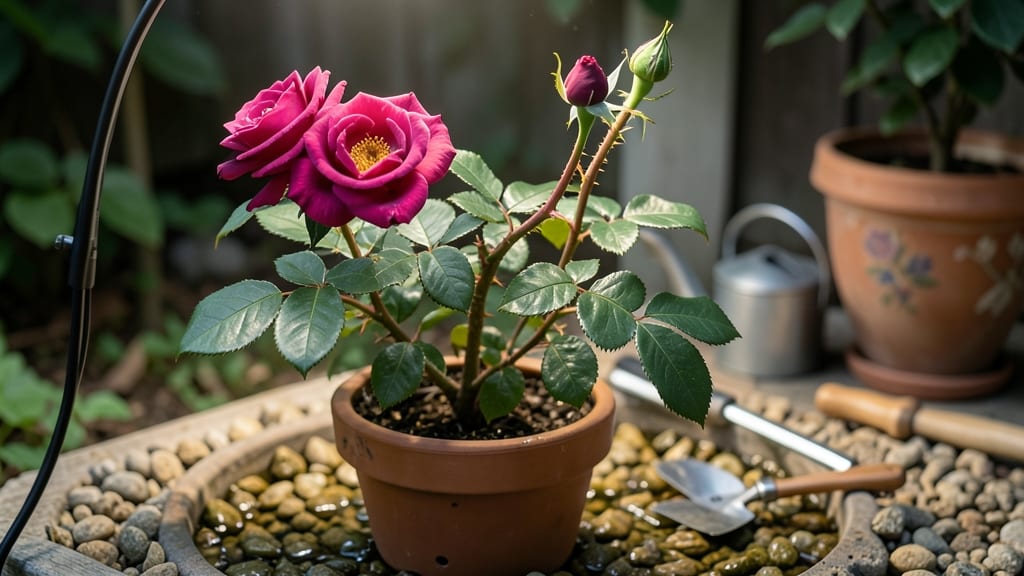
My indoor rose care blooms year-round because I treat them like outdoor roses—just with extra attention to light and air. 🌹 The secret isn't complicated: bright indirect light, consistent watering, and strategic pruning keep these plants thriving inside.
Most people overwater or underlight, which leads to those sad, leggy stems we all hate.
Start with a south- or west-facing window for 6+ hours of light daily, or supplement with a grow light if your space is dim.
Use well-draining potting mix and a pot with drainage holes—water only when the top inch of soil feels dry, and never let them sit in soggy soil. That's where root rot hides.
Pruning isn't scary—it's how you get more blooms. Cut back leggy stems in early spring and deadhead spent flowers regularly. A little balanced fertilizer every 4-6 weeks keeps them fed without burning the roots. The result? Nonstop blooms from winter through summer, even in small apartments.
Watch for pests like spider mites (tiny webs are a dead giveaway) and adjust humidity with a pebble tray if your home air feels dry. The right care turns indoor roses from high-maintenance divas into reliable, fragrant showstoppers—exactly what you want in your living space.
📚 In This Guide
- What you need
- Instructions
- Tips and common mistakes
- Wrapping up and next steps
What you need
- ● Indoor rose plant (choose a healthy, disease-free variety like 'David Austin' or 'Knock Out' roses)
- ● 6-inch to 8-inch pot with drainage holes (terracotta or ceramic preferred)
- ● High-quality potting mix (well-draining, like a blend of peat moss, perlite, and compost—avoid garden soil!)
- ● Pruning shears (sharp, sterilized, and bypass-style for clean cuts)
- ● Balanced liquid fertilizer (10-10-10 or 20-20-20, diluted to half-strength)
- ● Spray bottle (for misting leaves and humidity control)
- ● Grow lights or LED bulbs (full-spectrum, 12-16 hours/day if natural light is limited)
- ● Humidity tray or pebble tray (to maintain 40-60% humidity)
- ● Mulch or bark chips (to retain soil moisture and regulate temperature)
- ● Rose-specific fertilizer (higher phosphorus for blooms)
- ● Epsom salt (1 tbsp/month in water for magnesium boost)
- ● Plant supports or stakes (for tall or leggy varieties)
- ● Automatic mister (for consistent humidity in dry climates)
- ● Soil moisture meter (to avoid over/under-watering)
- ● Fungicide spray (preventative measure for powdery mildew)
Step-by-step indoor rose care for year-round blooms
Here’s how I keep my indoor roses thriving with vibrant blooms—no greenhouse needed.
🌱 Step 1: Choose the Right Light for Consistent Blooms
Indoor roses need 6-8 hours of bright, direct light daily—a south-facing window is ideal. If natural light is weak, supplement with a full-spectrum LED grow light positioned 12-18 inches above the plant. Rotate the pot quarter-turn weekly so growth stays even and stems don’t lean toward the light.
Watch for pale, leggy stems—this means your rose isn’t getting enough light. If leaves stretch toward the window or grow sparse, move the plant closer or increase grow light hours. In winter, when days shorten, extend light exposure to 12-14 hours to mimic longer daylight and encourage blooming.
💧 Step 2: Water Deeply but Avoid Soggy Roots
Water when the top 1-2 inches of soil feel dry to the touch—stick your finger in to check. Pour water slowly until it drains freely from the bottom, then empty the saucer after 10 minutes to prevent root rot. Overwatering is the #1 killer of indoor roses, so let the soil dry slightly between waterings.
I use room-temperature water (cold water shocks roots) and avoid wetting the foliage to prevent fungal diseases. If leaves yellow or drop, you’re likely overwatering—let the soil dry out more between sessions. In winter, when growth slows, water 25-50% less than in summer.
✂️ Step 3: Prune for Health and More Blooms
Prune dead, diseased, or crossing branches first—cut back to a healthy bud or outward-facing leaf. Then, trim 1/3 of the oldest stems to encourage new growth and more flowers. Use clean, sharp pruners and make cuts at a 45-degree angle just above a leaf node.
This is the moment that matters: Prune after blooms fade to redirect energy into new flowers. If your rose stops blooming, it’s often because it’s not getting enough light or needs a hard prune. After pruning, fertilize lightly to support regrowth—just half the recommended dose of a balanced rose fertilizer.
☀️ Step 4: Feed and Refresh for Long-Term Growth
Feed every 4-6 weeks during spring and summer with a balanced rose fertilizer (10-10-10 or similar). In fall and winter, cut back to once every 8-12 weeks—roses rest in cooler months. I also rinse the soil every 3 months to flush out salt buildup from fertilizers, which can burn roots.
Watch for slow growth or small leaves—this often signals nutrient deficiency. If buds form but drop before opening, your rose may need more phosphorus (the middle number in fertilizer ratios). In late winter, repot into fresh, well-draining soil if roots are circling the pot—this jumpstarts spring growth.
🪴 Step 5: Monitor for Pests and Adjust Care
Check leaves weekly for aphids, spider mites, or scale—early signs are sticky residue (honeydew) or fine webbing. Spray infested areas with neem oil or insecticidal soap (test on a small leaf first). Isolate the plant until pests are gone to prevent spread.
Here’s the thing—indoor roses are finicky about humidity. If leaves curl or crisp at the edges, increase humidity with a pebble tray or humidifier. In dry winter air, mist leaves lightly (avoid wetting buds). Adjust care seasonally: more water in summer, less in winter; more light in fall, supplement in winter.
Tips & tricks for perfect indoor rose care
These simple yet game-changing tips will help you keep your indoor roses blooming beautifully all year long.
Light Placement Matters: For the 6-8 hours of daily light your rose needs, position it within 12-18 inches of the brightest window—south-facing is best. I've found that placing my rose on a rotating plant stand (turning it quarter-turn weekly) prevents stems from leaning toward the light. In winter, when daylight drops to 12-14 hours, I supplement with a grow light on a timer to maintain consistent blooming.
The Watering Test: Before watering, stick your finger 1-2 inches into the soil—if it feels dry, it's time. I've learned the hard way that emptying the saucer after 10 minutes prevents root rot. Pro tip: Use a moisture meter for accuracy, especially in winter when you should water 25-50% less than in summer. Cold water shocks roots, so always use room-temperature water.
Pruning Precision: When trimming 1/3 of the oldest stems, make cuts at a 45-degree angle just above a leaf node. This encourages new growth and more blooms. I sterilize my pruners with rubbing alcohol between cuts to prevent disease spread. The key moment is pruning after blooms fade—this redirects energy to new flowers rather than spent blooms.
Seasonal Care Adjustments: In spring and summer, fertilize every 4-6 weeks with half the recommended dose of balanced rose fertilizer. In fall and winter, reduce to once every 8-12 weeks as roses rest. I rinse the soil every 3 months to flush out fertilizer salts that can burn roots. Watch for slow growth or small leaves—this often means your rose needs more phosphorus (the middle number in fertilizer ratios).
Pro Tips for Indoor Rose Care
- These simple yet game-changing tips will help you keep your indoor roses blooming beautifully all year long.
- Light Placement Matters: For the 6-8 hours of daily light your rose needs, position it within 12-18 inches of the brightest window—south-facing is best.
- The Watering Test: Before watering, stick your finger 1-2 inches into the soil—if it feels dry, it's time.
Frequently asked questions
Got questions about keeping your indoor roses thriving? Here are answers to the most common concerns—from light struggles to pruning puzzles!
How often should I water my indoor rose?
Water when the top 1-2 inches of soil feel dry. Overwatering is worse than underwatering—roses hate soggy roots! Aim for consistency (e.g., every 5-7 days) and ensure pots have drainage holes. Yellow leaves? You’re likely overdoing it.
When is the best time to prune my indoor rose?
Prune right after blooming (late spring/early summer) to encourage new growth. Cut back dead, crossing, or weak stems at a 45° angle, leaving 3-5 healthy buds per stem. Avoid heavy pruning in winter—roses need rest! Pro tip: Sterilize shears with rubbing alcohol to prevent disease.
Can indoor roses survive without direct sunlight?
While they love 6+ hours of bright, indirect light, they can adapt to lower light with patience. Place near a south- or west-facing window and supplement with a grow light (12-16 hours/day) if leaves pale or stems stretch. Rotate the pot weekly for even growth.
Why are my rose leaves yellowing or curling?
Yellow leaves often signal overwatering or nutrient deficiency (try a balanced rose fertilizer every 4-6 weeks). Curling? Check for pests (aphids, spider mites) or underwatering. Isolate the plant, wipe leaves with soapy water, and adjust care. Pro tip: Boost humidity with a pebble tray to mimic outdoor conditions.
Are there low-maintenance indoor rose alternatives?
Yes! Try Miniature Roses (like ‘Fairy’ or ‘Bonica’) or hardy varieties like ‘Knock Out’ roses (dwarf versions). For even easier care, consider orchids or bromeliads—they thrive in similar light but with less fuss. Just ensure good airflow to prevent fungal issues.
Wrapping up and next steps
Caring for indoor roses is all about balance—mastering light, pruning with confidence, and keeping them happy year-round. With the right tools, patience, and a little love, your roses will reward you with stunning blooms that brighten every room. 🌸
Ready to take the next step? Start by observing your plant—note what works and what doesn’t, then adjust your care routine. Before you know it, you’ll be the proud parent of a thriving indoor rose garden! 🌱