
Container Gardens
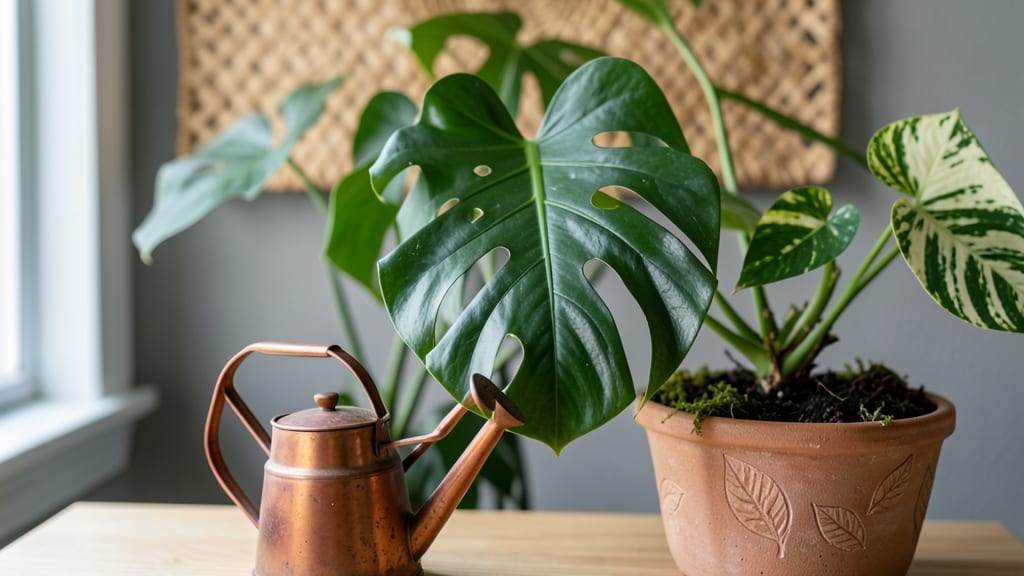
Holes in your indoor plant leaves mean one thing: action time. 🌿 Whether it's tiny spider mites, sneaky thrips, or even your own clumsy watering, those punctures signal trouble—but they also point to a fixable problem.
I’ve nursed back plants with Swiss-cheese leaves, and I’ll show you how to stop the damage in its tracks without harsh chemicals. The culprits run from microscopic pests to fungal spots, and each leaves its own clues.
Spider mites create fine webbing, thrips leave silvery streaks, and overwatering causes soggy holes that smell funky. The good news? Most cases respond to 3 simple steps—isolating the plant, wiping off pests by hand, and applying a targeted spray that works in hours.
By the end, your plant will bounce back with new growth, and you’ll spot trouble earlier next time. The key is acting fast: a few days of holes can turn into full-blown leaf loss if ignored. Let’s turn those punctures into a lesson for healthier foliage.
Start by inspecting the undersides of leaves with a magnifying glass—pests hide there. If you see tiny moving dots or sticky residue, it’s likely insects.
For fungal issues, look for yellowing edges or black spots around the holes. Neem oil spray works for both pests and fungi, but if the damage is severe, consider isolating the plant to prevent spread to your collection.
Prevention is easier than cleanup: mist leaves regularly, wipe them down monthly, and avoid overwatering. A humidifier nearby keeps pests away, and yellow sticky traps catch flying insects before they land. Most plants recover fully with the right care—just don’t wait until half the leaves are gone.
When in doubt, quarantine the plant for a week while you treat it. If the holes keep appearing after two weeks of care, it might be time to propagate healthy cuttings and start fresh.
The goal isn’t perfection—it’s learning which habits keep your plants thriving. With these steps, you’ll turn those holes into a sign of progress, not panic.
The Hidden Culprits Behind Leaf Damage
When your once-lush indoor plants start showing up with mysterious holes in their leaves, it’s easy to panic. But before you assume the worst—like a full-blown pest invasion—let’s break down the real reasons why this happens.
Some causes are obvious, while others lurk in plain sight. Understanding the science behind the damage helps you fix the problem fast and keep your green babies thriving.
Most holey leaves scream, “Bugs are eating me!”—and they’re right. Common culprits include:
- Spider Mites: These microscopic arachnids (yes, they’re related to spiders!) suck plant juices, leaving behind tiny holes and a fine webbing. They thrive in dry, dusty conditions, often attacking the undersides of leaves first.
- Caterpillars & Larvae: Think of them as the leaf-munching ninjas. Sawtooth caterpillars, for example, chew irregular holes, while beetle larvae (like those of the Western Conifer Seed Bug) create jagged edges. Look for frass (bug poop) near the damage.
- Snails & Slugs: Yes, even indoors! These slimy pests leave large, irregular holes with a silvery slime trail. They’re drawn to moist soil and decaying organic matter.
- Fungus Gnats: Their larvae burrow into roots and leaves, creating small, scattered holes. Overwatering is their favorite invitation.
💡 Pro Tip: Shine a flashlight under leaves at dawn—many pests hide there. If you spot webbing, chewed edges, or tiny black specks (frass), act now with neem oil or insecticidal soap.
Too much love (aka water) can backfire. When roots sit in soggy soil, they can’t absorb nutrients, leading to:
- Cellular Breakdown: Excess moisture causes leaf cells to burst, creating water-soaked holes that turn brown. This is common in tropical plants like Monstera or Calathea.
- Fungal Infections: Waterlogged soil breeds Phytophthora or Pythium, fungi that rot leaves from the inside out, leaving ragged holes.
- Nutrient Deficiency: Roots suffocate, starving the plant. Without enough calcium or potassium, leaves develop necrotic spots that expand into holes.
🌡️ Quick Fix: Let the top 2 inches of soil dry out between waterings. If your plant is already drowning, repot it in fresh, well-draining mix and trim any mushy roots.
Indoor plants are like Goldilocks—they need just right conditions. Too much heat or cold throws them off balance:
- Sunburn Holes: Direct sunlight (especially south-facing windows) causes chlorophyll bleaching. Leaves develop white or yellow patches that harden into brown, papery holes.
- Cold Drafts: AC vents or chilly windowsills shock plants, leading to cell death. Look for holes with crispy edges on newer growth.
- Heat Stress: Dry, hot air (common in winter with forced heating) makes leaves leathery and brittle, causing them to split or tear.
🎯 Prevention: Rotate plants monthly to avoid sunburn. Keep them 3–5 feet from windows and away from drafts. A humidifier helps combat dry heat.
Too much of a good thing—like fertilizer or household chemicals—can burn leaves from the inside out:
- Salt Buildup: Over-fertilizing causes salt accumulation in soil, which disrupts water uptake. Leaves develop brown, crispy holes along the edges.
- Herbicide/Insecticide Drift: Even “plant-safe” sprays can harm sensitive species. Look for yellowing between veins before holes form.
- Hard Water Damage: Minerals like calcium and magnesium in tap water create white crust on soil and leaves, leading to necrotic spots.
✨ Solution: Flush soil with distilled water to remove salts. If using tap water, let it sit out 24 hours to evaporate chlorine. Always dilute fertilizer to half-strength.
Now that you know the real villains, you’re armed to save your plants. Next up: How to Treat It—because every problem has a fix!
Fixing Leaf Damage Fast
Got holes in your indoor plant’s leaves? Don’t panic—most issues are fixable with the right care. Below, we’ll tackle the most common causes and show you exact steps to restore your plant’s health. Plus, we’ll share preventive tips to keep those pesky problems away for good.
If tiny bugs (like spider mites, aphids, or thrips) are munching on your plant, act fast to stop the damage.
🔥 Step 1: Isolate & Inspect
- Move the infected plant away from others to prevent spreading.
- Use a magnifying glass to confirm pests (look for webbing, tiny dots, or chewed edges).
🍳 Step 2: Wipe or Spray Off Pests
- For small infestations: Dip a cotton swab in rubbing alcohol (70% isopropyl) or soapy water (1 tsp mild dish soap + 1 cup water) and gently wipe leaves.
- For heavy infestations: Spray with neem oil solution (1 tsp neem oil + 1 tsp mild soap + 1 quart water).
Reapply every 3–5 days until pests vanish.
👨🍳 Step 3: Treat the Soil
- Pests often hide in soil. Flush the soil with water to dislodge eggs/larvae, or repot with fresh, sterile potting mix.
✨ Prevention Tips
- Quarantine new plants for 2–4 weeks before introducing them to your collection.
- Wipe leaves regularly with a damp cloth to remove dust (pests love hiding there).
- Encourage natural predators like ladybugs or lacewings if pests recur.
Yellowing, mushy leaves with holes? Your plant might be drowning or thirsty.
🌡️ Step 1: Check the Soil
- Stick your finger 1–2 inches deep—if it’s soggy, you’re overwatering. If dry and crumbly, it’s underwatered.
🔄 Step 2: Adjust Your Watering Routine
- Overwatered? Let the top 2–3 inches dry out before watering again. Empty saucers after watering to prevent root rot.
- Underwatered? Water deeply until it drains from the bottom, then wait 1–2 days before watering again.
🎯 Prevention Tips
- Use well-draining soil (add perlite or orchid bark to mix).
- Water in the morning so excess moisture evaporates during the day.
- Check drainage holes—if clogged, clean them to avoid waterlogging.
Sudden drafts, cold windows, or harsh sunlight can shock leaves, causing holes or browning.
🔥 Step 1: Move Your Plant
- Away from drafts (AC vents, open windows, heaters).
- Away from direct sun (south-facing windows can scorch leaves). Use sheer curtains if needed.
🌿 Step 2: Acclimate Gradually
- If moving to a new spot, transition slowly (e.g., 1–2 hours of sunlight per day, increasing over a week).
💡 Prevention Tips
- Keep plants 1–3 feet from windows (depending on light needs).
- Avoid cold floors—use a plant saucer with feet to elevate pots.
- Rotate plants weekly for even growth (prevents one-sided light stress).
Holes with dark spots, mold, or slimy texture? Fungal/bacterial infections need sterilization.
🔪 Step 1: Prune Damaged Leaves
- Cut off infected leaves with sterilized scissors (wipe with rubbing alcohol).
- Do not compost—dispose of severely infected parts in a sealed bag.
💦 Step 2: Treat with Fungicide
- Spray leaves with a copper-based fungicide or baking soda solution (1 tsp baking soda + 1 quart water + a drop of soap).
- Water at the base (not leaves) to avoid spreading spores.
⏰ Step 3: Improve Airflow
- Space plants apart (crowding traps moisture).
- Use a small fan on low to circulate air (helps prevent fungal growth).
🌱 Prevention Tips
- Avoid overhead watering—water at the soil level.
- Sterilize tools before pruning.
- Repot in fresh, sterile soil if infection persists.
Need a quick fix? Start with one solution (e.g., pest check or water adjustment) and monitor for 3–5 days. Most plants bounce back with consistent care! 🌿✨
Frequently asked questions
Why do my indoor plants get holes in leaves even when I water them regularly?
Holes from watering issues usually mean overwatering or poor drainage. Excess moisture causes leaf cells to burst, creating brown, water-soaked holes. Check if the top 2 inches of soil feel damp—if so, let it dry out before watering again. Also verify your pot has drainage holes and use a well-draining mix with perlite or orchid bark.
Can I save a plant with severe leaf holes caused by pests?
Yes, but act quickly! First isolate the plant to prevent spread. For light infestations, wipe leaves with a cotton swab dipped in rubbing alcohol (70% isopropyl). For heavy damage, spray with neem oil solution (1 tsp neem + 1 tsp soap + 1 quart water) every 3-5 days. If over 50% of leaves are damaged, focus on new growth—propagate healthy cuttings to start fresh.
How do I tell if holes are from pests vs. environmental damage?
Pest holes often have irregular edges and may include webbing (spider mites), tiny black specks (frass from caterpillars), or silvery trails (slugs). Environmental damage usually shows crispy, dry edges (sunburn) or soggy, brown patches (overwatering). Shine a light under leaves—pests hide there! For fungal issues, look for dark spots or mold around holes.
Will my other indoor plants get infected if I don't treat the one with holes?
Absolutely—pests and fungal spores spread quickly! Isolate the infected plant immediately and inspect nearby plants for early signs (tiny holes, webbing, or yellowing). Clean surfaces with 70% rubbing alcohol and avoid moving other plants until you've treated the sick one. Fungal infections can linger in soil, so repot affected plants in sterile mix if needed.