
Trees
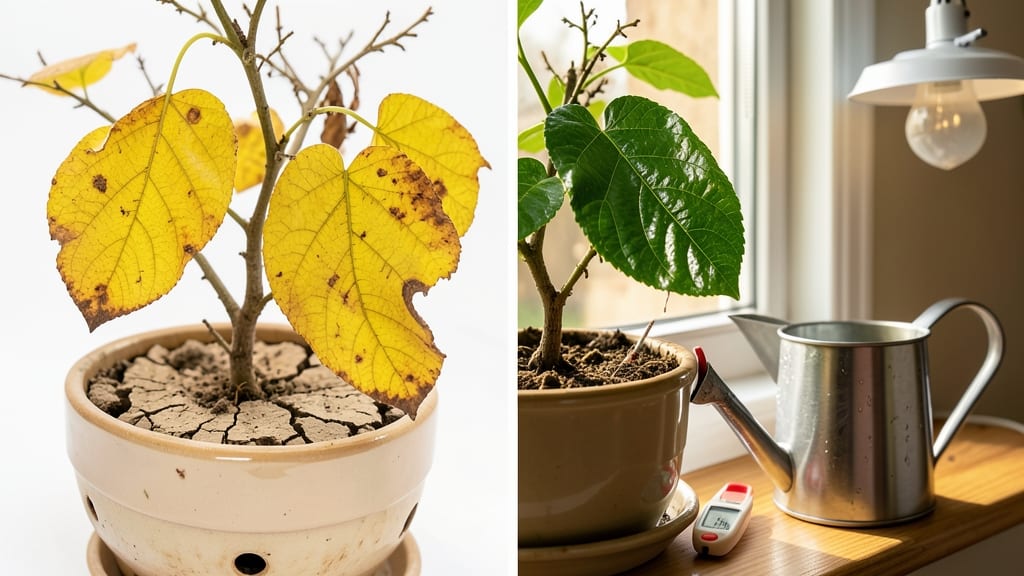
Your indoor lemon tree losing leaves isn't a death sentence—it's a call for a simple root health rescue. 🌱 The good news? Most cases fix themselves with a few easy adjustments, and I've helped revive more than a few struggling citrus trees with these same tricks.
Overwatering or underwatering are the top culprits, but pests, light issues, or sudden temperature shifts can trigger leaf drop too. Start by checking the soil moisture—stick your finger in 2 inches deep.
If it's bone dry, you've been underwatering; if it's soggy, you're drowning the roots. Both stress the tree equally.
Once you adjust watering, optimize light exposure (bright, indirect sunlight is key) and inspect leaves for pests like spider mites or scale. A quick wipe-down with soapy water can work wonders. Within 2-4 weeks, you'll see new growth pushing through, and those bare branches will fill back in.
Prevention is easy: water only when the top inch is dry, mist leaves occasionally, and keep temps steady. If the problem persists after 4-6 weeks of care, it might be time to check for root rot or disease—though that's rare with proper watering habits.
Root Causes Of Dropping Foliage
When your indoor lemon tree starts shedding leaves, it’s often a cry for help—like a plant version of waving a white flag. 🌿🚩 The good news? Most causes are fixable with a little detective work.
Below, we break down the top scientific triggers behind leaf loss, including environmental stress, water woes, and hidden pests. Each issue has a distinct "signature," so let’s diagnose your tree’s distress.
Lemon trees (Citrus × limon) are drought-tolerant in their native Mediterranean habitat, but indoor conditions can trick them into thinking they’re drowning. Overwatering suffocates roots by cutting off oxygen, leading to:
- Root rot: Fungal pathogens like Phytophthora thrive in soggy soil, breaking down root cells and blocking nutrient uptake. Symptom: Yellowing leaves (chlorosis) that eventually drop, often starting at the bottom.
- Waterlogged soil: Excess moisture forces roots to "breathe" through tiny air pockets, but compacted or non-porous soil (e.g., dense clay pots) traps water. Symptom: Leaves turn brown at the edges or feel mushy to the touch.
Actionable fix:
- Check the "finger test": Stick your index finger 2 inches into the soil. If it’s damp, wait. If it’s bone-dry, water deeply—but only when the top 3 inches are dry.
- Upgrade your pot: Use a terracotta or fabric pot with drainage holes and a cactus/succulent mix amended with perlite or pumice (aim for 60% mineral, 40% organic matter).
- Repot if needed: If roots smell rotten or look black/mushy, trim the diseased parts with sterilized scissors, treat with mycorrhizal fungi (a natural root booster), and repot in fresh soil.
While overwatering is the usual villain, chronic dehydration can also trigger leaf drop. Lemon trees conserve water by shedding leaves—an evolutionary survival tactic. Signs include:
- Wilting: Leaves curl or droop, especially in the afternoon, but don’t spring back when watered (unlike temporary wilting from heat stress).
- Dry, crispy edges: Margins turn brown and brittle, often with a papery texture.
- Slow recovery: After watering, leaves may stay limp for days, indicating permanent damage.
Why it happens: The tree prioritizes root survival over foliage, abscising (dropping) leaves to reduce water loss. Prolonged stress weakens the plant’s vascular system, disrupting nutrient transport.
Actionable fix:
- Water deeply until it drains from the bottom, then empty the saucer to prevent salt buildup.
- Mulch with orchid bark (1–2 inches) to retain moisture without suffocating roots.
- Group plants together to increase humidity via transpiration (aim for 40–60% humidity).
- Hydrogel beads (reusable moisture absorbers) can help between waterings.
Lemon trees are tropical at heart but can’t handle sudden swings. Cold drafts, AC vents, or direct sunburn trigger leaf drop by:
- Disrupting photosynthesis: Temperatures below 50°F (10°C) or above 90°F (32°C) for prolonged periods slow enzyme activity in chloroplasts, starving leaves of energy.
- Causing sun scorch: Bright indirect light is ideal, but direct midday sun (especially through glass) creates a "greenhouse effect," cooking leaves. Symptom: White or yellow patches that turn crispy.
- Inducing transplant shock: Moving a lemon tree from a bright window to a dark corner (or vice versa) confuses its circadian rhythm, leading to abscission (leaf drop) within 1–2 weeks.
Actionable fix:
- Keep temps between 60–75°F (15–24°C). Avoid drafts from doors, windows, or vents.
- Use sheer curtains to diffuse harsh light, or place the tree 3–6 feet from a south-facing window.
- Rotate the pot quarter-turn weekly for even growth (prevents lopsided light exposure).
- For sunburned leaves, trim damaged foliage with sterilized pruners and avoid fertilizing until new growth appears.
Lemon trees are heavy feeders and need a balanced diet of nitrogen (N), phosphorus (P), potassium (K), magnesium (Mg), and micronutrients like iron and zinc. Imbalances cause:
| Deficiency | Visual Clues | Cause |
|---|---|---|
| Nitrogen (N) | Yellowing leaves starting at the older (bottom) leaves, but veins stay green. | Under-fertilizing or using a "low-N" fertilizer (e.g., 5-10-10). |
| Potassium (K) | Brown scorch marks on leaf edges, weak stems, or small fruit. | Overwatering (flushes K from soil) or poor-quality water (high sodium). |
| Magnesium (Mg) | Interveinal chlorosis (yellowing between veins) on younger leaves. | Alkaline soil (pH > 7.0) or over-fertilizing with synthetic NPK. |
| Iron (Fe) | Pale yellow leaves with green veins (even in acidic soil). | Calcium buildup (from hard water) blocks Fe uptake. |
| Toxicity (e.g., Chlorine, Salt) | Brown leaf tips, crispy edges, or stunted growth. | Tap water with high TDS (>500 ppm) or over-fertilizing. |
Actionable fix:
- Test your soil with a home pH kit (ideal: 6.0–7.0). Adjust with elemental sulfur (to lower pH) or lime (to raise it).
- Use a balanced citrus fertilizer (e.g., 8-3-9 or 10-4-6) every
Quick Fixes for Droopy Lemon Tree
Reviving your indoor lemon tree starts with identifying the root cause—but once you’ve pinpointed the issue, these step-by-step solutions will help you nurse it back to health. Below, we’ve matched common problems with easy-to-follow fixes, plus prevention tips to keep your citrus friend thriving long-term.
Signs: Yellow leaves, mushy stems, or roots that smell foul when touched.
How to Fix It:
- 🔥 Step 1: Let the Soil Dry Out Stop watering immediately and allow the top 1–2 inches of soil to dry completely before watering again. Stick your finger in the soil—if it’s damp past your first knuckle, wait another day.
- 🍳 Step 2: Improve Drainage If your pot lacks drainage holes, repot your tree into a container with holes (or add a layer of pebbles at the bottom to create drainage). Use a well-draining potting mix (like a cactus/succulent blend mixed with perlite).
- 👨🍳 Step 3: Check the Roots Gently remove the tree from its pot and inspect the roots. If they’re black, mushy, or rotten, trim the damaged roots with sterilized scissors and repot in fresh, dry soil.
💡 Prevention Tip: Water only when the top 1–2 inches of soil are bone-dry (usually every 7–10 days in winter, more frequently in summer). Use a self-watering pot with a moisture meter for consistency.
Signs: Crispy, brown edges on leaves, wilting, or soil pulling away from the pot’s sides.
How to Fix It:
- 🔥 Step 1: Water Deeply Soak the soil until water runs out the drainage holes (about 1–2 cups for a small tree). Let it drain completely before placing it back in its saucer.
- 🥘 Step 2: Increase Humidity Lemon trees love humidity! Place the pot on a pebble tray filled with water or use a humidifier nearby. Mist the leaves lightly in the morning (avoid evening misting to prevent fungal issues).
- 🌡️ Step 3: Adjust Watering Schedule Check soil moisture daily during hot weather. If the top inch is dry, it’s time to water. In cooler months, reduce frequency.
💡 Prevention Tip: Group plants together to create a microclimate of higher humidity. Avoid placing your lemon tree near heaters or AC vents, which dry out the air.
Signs: Leaf drop, yellowing, or leaves curling toward light sources.
How to Fix It:
- 🔥 Step 1: Find the Sweet Spot Lemon trees thrive in 65–75°F during the day and 55–60°F at night. Keep them away from drafts, cold windows, or radiators.
- 🍳 Step 2: Optimize Light Exposure Place your tree near a south- or west-facing window for 6–8 hours of bright, indirect light daily. If natural light is lacking, supplement with a grow light (12–14 hours/day).
- 👨🍳 Step 3: Rotate for Even Growth Turn the pot quarter-turn weekly so all sides get equal light, preventing lopsided growth.
💡 Prevention Tip: If you notice leaves burning (brown patches), move the tree further from the window—direct sun can scorch delicate foliage. A sheer curtain can diffuse harsh light.
Signs: Sticky residue on leaves, tiny webs, or tiny bugs clustering on stems.
How to Fix It:
- 🔥 Step 1: Isolate the Tree Move the plant away from others to prevent spreading. Check both sides of leaves and stems for pests.
- 🍳 Step 2: Blast Off Pests Option 1 (Mild Infestation): Wipe leaves with a soapy water solution (1 tsp mild dish soap per quart of water).
Rinse after 10 minutes. Option 2 (Severe Infestation): Use neem oil spray (1 tsp neem oil + 1 tsp soap per quart of water). Spray every 5–7 days for 2 weeks.
- 👨🍳 Step 3: Encourage Beneficial Insects Release ladybugs or lacewings (available at garden centers) to eat pests naturally.
💡 Prevention Tip: Inspect new plants before bringing them indoors. Keep your lemon tree clean and dust-free—pests hide in debris!
Signs: Yellowing between leaf veins (iron deficiency), stunted growth, or leaves dropping despite proper watering.
How to Fix It:
- 🔥 Step 1: Flush the Soil If over-fertilized, leach excess salts by watering the tree with plain water for 10–15 minutes until it runs clear from the drainage holes.
- 🍳 Step 2: Feed the Right Way Use a balanced citrus fertilizer (6-6-6 or 8-3-9 ratio) every 4–6 weeks in spring/summer. Dilute to half-strength to avoid burning roots.
- 👨🍳 Step 3: Boost with Micronutrients For deficiencies:
- Iron deficiency (yellow leaves): Use an iron chelate supplement (follow package instructions).
- Magnesium deficiency (yellow patches): Sprinkle Epsom salt (1 tsp per gallon of water) monthly.
💡 Prevention Tip: Never fertilize in winter—your tree is dormant and doesn’t need nutrients. Always water before fertilizing to prevent root burn.
- 🌿 Trim Damaged Leaves: Use sterilized scissors to snip off yellow or brown leaves at the base.
This helps the tree focus energy on new growth. - 🍋 Check for Root Bound: If roots circle the pot, repot into a container 2 inches larger with fresh soil. - 🌡️ Monitor Recovery: Keep conditions stable (light, water, temp) for 4–6 weeks—new leaves should appear within this time.
Remember: Patience is key! Lemon trees are resilient—with the right care, you’ll see lush, green regrowth in no time. 🍋✨
Frequently asked questions
Is it normal for my indoor lemon tree to lose leaves in winter?
Yes, but only to a point! Lemon trees naturally drop some leaves in cooler months as part of their dormancy cycle. However, if you're seeing excessive shedding (more than 10% of foliage) or leaves turning yellow/brown before falling, check for drafts, low humidity, or inconsistent watering. Aim for 60-75°F temps and maintain regular moisture checks.
How can I tell if my lemon tree is overwatered vs. underwatered?
Use the "finger test": stick your index finger 2 inches deep into the soil. Overwatered soil stays damp past your first knuckle and may smell sour or have black/mushy roots. Underwatered soil feels bone-dry, with crispy brown leaf edges. For both issues, adjust immediately—overwatering needs drying time, while underwatering requires deep soaking until water drains from the bottom.
Will my lemon tree grow back leaves if I fix the problem?
Lemon trees are resilient and will regrow leaves once the stressor is removed. Within 4-6 weeks of proper care (correct watering, ideal light, and stable temps), you should see new growth at the branch tips. Focus on keeping conditions consistent—new leaves are more sensitive to fluctuations than mature foliage. Prune any remaining brown leaves to redirect energy to fresh growth.
Can I save my lemon tree if the roots are rotting?
Yes, but act fast! Remove the tree from its pot and trim all black/mushy roots with sterilized scissors. Repot in fresh, well-draining soil (60% mineral, 40% organic) and hold off on watering for 5-7 days to let roots recover. Add a mycorrhizal fungi supplement to boost root health. If you see new green shoots within 3-4 weeks, the tree can recover—just monitor watering closely afterward.
Why does my lemon tree drop leaves even when I water it regularly?
Regular watering doesn't always mean proper watering! Lemon trees hate soggy soil—even with consistent watering, compacted pots or poor drainage can trap moisture. Other culprits include sudden temperature drops (below 50°F), pest infestations (check leaf undersides), or nutrient deficiencies (like magnesium or iron). Start by improving airflow, inspecting for pests, and testing your soil's drainage.