
Companion Plants
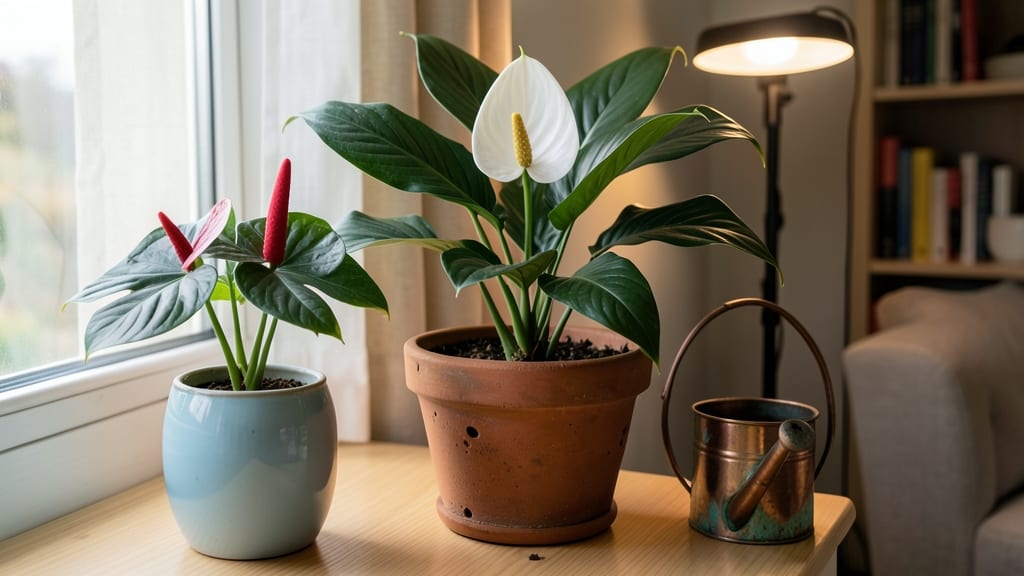
Indoor flowering plants that bloom year-round are the secret weapon for bringing color and life to dim corners. 🌸 I've turned my shady bathroom into a jungle of blooms by choosing the right plants—peace lilies, African violets, and orchids—that thrive where most flowers give up.
The key isn't bright light or perfect conditions, but understanding each plant's unique needs.
These low-light champions need consistent care: water when the top inch of soil feels dry, rotate plants monthly for even growth, and fertilize lightly every 6-8 weeks.
My peace lily blooms reliably when I keep it in the bathroom's steamy air, while African violets reward me with purple bursts when I avoid overwatering. The trick is patience—some plants take months to rebloom, but once they do, they keep giving.
You'll end up with a living room or office that feels like a tropical escape, even in winter. The scent of blooming orchids in February or the cheerful purple of violets on a gray day makes indoor gardening feel like magic.
These plants also clean the air—bonus points for turning decor into a health boost.
Works for apartments, offices, or sun-starved rooms. Start with one or two easy varieties and expand as you gain confidence. The first bloom is always the sweetest—here's how to keep them coming.
📚 In This Guide
- What you need
- Instructions
- Tips and common mistakes
- Wrapping up and next steps
What you need
- ● Low-light flowering plants (3–5): Peace Lily (Spathiphyllum) – 1–2 plants
- ○ Snake Plant (Sansevieria) – 1 plant (optional but hardy)
- ● African Violet (Saintpaulia) – 2–3 plants
- ● ZZ Plant (Zamioculcas) – 1 plant (for resilience)
- ● Pothos (Epipremnum) – 1–2 vines (fast-growing filler)
- ● Well-draining pots (3–5): 6–8" diameter for medium plants (Peace Lily, African Violet)
- ● 10–12" diameter for larger plants (Snake Plant, ZZ Plant)
- ● Material: Terracotta (breathable) or ceramic (aesthetic)
- ● High-quality potting mix (5–10 gallons): Type: Lightweight, well-aerated mix (e.g., 60% peat moss, 30% perlite, 10% vermiculite)
- ○ Optional add-ins: Orchid bark (for African Violets) or coconut coir (for moisture retention)
- ● Grow lights (1–2): Type: Full-spectrum LED (5000K–6500K color temperature)
- ● Wattage: 15W–25W per plant (adjustable height: 6–12" above foliage)
- ● Watering can (1) or spray bottle (1): Size: 1–2 gallon capacity (for pots) or 8–16 oz (for misting)
- ● Humidity tray (1–2) or pebble tray: Purpose: Boosts humidity for tropical plants (e.g., Peace Lily)
- ● Fertilizer (1): Type: Balanced liquid fertilizer (10-10-10 or 20-20-20, diluted to half-strength)
- ● Schedule: Every 4–6 weeks during growing season (spring–fall)
- ● Pruning shears (1): For trimming dead leaves or encouraging bushier growth.
- ● Soil pH tester (1): Ideal range: 6.0–7.0 for most flowering plants.
- ● Self-watering planters (1–2): Reduces maintenance (great for busy plant parents!).
- ● Decorative cache pots (3–5): Match your home’s aesthetic (ensure they have drainage holes!).
- ● Plant labels (10–15): Track watering schedules and sunlight needs.
- ● Compost or worm castings (1 bag): Boosts soil nutrients naturally.
- ● Air purifier or small fan (1): Improves air circulation (reduces pests!).
Step-by-step guide to growing low-light indoor flowering plants
Here's how to keep your favorite bloomers thriving indoors all year—no greenhouse needed.
🌱 Step 1: Choose the Right Low-Light Flowering Plants
Start with varieties built for indoor conditions. My top picks for nonstop blooms include African violets, peace lilies, and spider plants—all thrive in bright indirect light or even medium-light rooms. Avoid sun-loving plants like geraniums or hibiscus unless you have a south-facing window.
Check the plant's native habitat for clues. Tropical plants like peace lilies prefer 60-75°F and high humidity, while succulents like jade plants need dry soil and bright indirect light. Match your plant's needs to your home's lighting conditions to avoid disappointment.
☀️ Step 2: Position Plants for Optimal Light Exposure
Most low-light plants do best 3-6 feet from an east- or north-facing window. If your space is darker, supplement with a grow light placed 6-12 inches above the plant for 12-14 hours daily. Avoid placing plants directly in front of windows—they'll stretch toward the light and become leggy.
Rotate plants quarter-turn weekly so they grow evenly. You'll notice leaves leaning toward the light? That's your cue to move the plant or adjust the grow light position. For example, peace lilies will show new growth toward the light, while African violets may produce fewer blooms if light is insufficient.
💧 Step 3: Master Watering for Consistent Blooms
Overwatering kills more indoor plants than poor light. Stick your finger 1 inch into the soil—if it feels dry, water thoroughly until water drains from the bottom. Most flowering plants prefer bottom-watering to encourage strong root growth and prevent fungal issues.
Adjust your watering schedule based on the season. In winter, when indoor air is dry, water every 7-10 days. In summer, when humidity rises, you might water every 5-7 days. Watch for wilting leaves—this is often a sign of underwatering, but yellow leaves usually mean overwatering.
✂️ Step 4: Prune and Fertilize for Nonstop Blooms
Deadhead spent blooms weekly to encourage new flowers. For African violets, pinch off faded blooms at the base with clean scissors. For peace lilies, trim yellow leaves at the stem to redirect energy to new growth. This simple step keeps plants producing flowers instead of seed pods.
Feed plants every 4-6 weeks with a balanced liquid fertilizer (like 10-10-10) diluted to half strength. In winter, reduce feeding to every 8-10 weeks—most plants enter a natural resting phase. Over-fertilizing leads to salt buildup in soil, which burns roots and stunts growth.
🪴 Step 5: Maintain Ideal Conditions for Year-Round Growth
Most indoor flowering plants prefer moderate humidity (40-60%). Group plants together to create a microclimate, or place a tray of pebbles and water near them to increase humidity. Avoid cold drafts from windows or doors—temperature swings cause buds to drop.
Dust leaves monthly with a damp cloth to help them absorb light. Dust blocks sunlight, weakening plants and reducing blooms. For large-leaved plants like peace lilies, wipe leaves gently but thoroughly—you'll see a noticeable difference in their vigor after just a few cleanings.
Tips & tricks for perfect low-light indoor bloomers
These simple strategies will help your indoor flowering plants thrive year-round without needing a sunroom.
Lighting Strategy: If you're using a grow light for the recommended 12-14 hours daily, consider using a timer to automate the process. This ensures consistent light exposure without you having to remember to turn it on and off. For plants like peace lilies that prefer indirect light, position the grow light 10-12 inches above—closer for smaller plants, farther for taller varieties.
Temperature and Humidity: The ideal 60-75°F range mentioned for tropical plants is easier to maintain than you think. Simply avoid placing plants near heating vents or drafty windows. For humidity, group plants together on a tray with pebbles and water—this creates a natural humid microclimate without needing a fancy humidifier. You'll notice leaves staying crisp and vibrant with this simple setup.
Pruning and Fertilizing: When deadheading those spent blooms weekly, use clean scissors to avoid spreading disease. For African violets, snip just above the leaf node where new growth appears. As for fertilizing, I've found that mixing a 10-10-10 fertilizer with water in a spray bottle lets you apply it directly to the soil without overwatering—just spray until the top inch of soil is moist.
Seasonal Adjustments: Don't forget to adjust your care routine with the seasons. In winter, when indoor air gets dry, increase watering slightly (every 7-10 days) and consider adding a humidifier near your plants. In summer, when humidity rises naturally, you can reduce watering to every 5-7 days and increase ventilation to prevent fungal issues.
Pro Tips for Indoor Flowering Plants Year Round
- These simple strategies will help your indoor flowering plants thrive year-round without needing a sunroom.
- Lighting Strategy: If you're using a grow light for the recommended 12-14 hours daily, consider using a timer to automate the process.
- Temperature and Humidity: The ideal 60-75°F range mentioned for tropical plants is easier to maintain than you think.
Frequently asked questions
Got questions about keeping indoor flowering plants blooming all year?
You’re not alone! Here are some of the most common concerns—and their easy solutions—to help you enjoy nonstop blooms even in low-light spaces.
Which low-light flowering plants bloom the longest?
Look for peace lilies, African violets, or spathiphyllums—they thrive in indirect light and reward you with frequent blooms. ZZ plants (while not a traditional flower) produce striking foliage and occasional blooms with minimal care. For vibrant colors, orchids (like Phalaenopsis) are a top pick—they can rebloom 2–3 times a year with the right conditions!
How often should I fertilize flowering plants for year-round blooms?
Feed lightly but consistently! Use a balanced liquid fertilizer (10-10-10) every 4–6 weeks during active growth (spring–fall). Reduce to monthly in winter when growth slows. Pro tip: Always water first to avoid root burn! Over-fertilizing can stress plants and stop blooming.
Why did my indoor flowering plant stop blooming?
Common culprits include lack of light (move it closer to a window), overcrowded roots (repot every 1–2 years), or too much fertilizer (flush soil with water). Some plants need a rest period—like poinsettias—so adjust care in winter. Check for pests (like spider mites) too—they sap energy needed for flowers!
Can I grow flowering plants in a small apartment with no natural light?
Yes! Opt for artificial grow lights (LED or fluorescent) 12–16 hours/day. Bromeliads or Kalanchoes are great for low-light spots. If natural light is zero, try self-pollinating varieties like African violets—they bloom reliably without sunlight. Just keep humidity up with a pebble tray!
What’s the easiest flowering plant for beginners?
Start with African violets or peace lilies—they’re forgiving, bloom often, and tolerate minor neglect. Begonias are another winner: they thrive in humidity, love indirect light, and produce colorful clusters with minimal fuss. Avoid fussy orchids or roses until you’re confident!
| Quick Fixes for Common Issues |
|---|
| Yellow leaves? Overwatering or poor drainage. Let soil dry slightly between waterings. |
| No flowers? Needs more light or a fertilizer boost. Rotate the pot weekly for even growth. |
| Leggy stems? Stretch toward light. Trim back and move closer to a window. |
Wrapping up and next steps
Bringing indoor flowering plants into your space isn’t just about aesthetics—it’s about creating a thriving, year-round oasis of color and life! 🌸 From peace lilies to African violets, these low-light champions prove that blooms aren’t seasonal—they’re a daily joy waiting to happen.
Whether you’re a seasoned plant parent or just starting, the key is patience, the right care, and a little love.
Ready to transform your home? Start small—pick one plant, master its needs, and watch your confidence (and blooms!) grow. Then, expand your indoor garden one leaf at a time. Your future self—and your plants—will thank you! 🌱✨